News Broadcasting
Demands for channel price ceilings to be extended to non-CAS areas

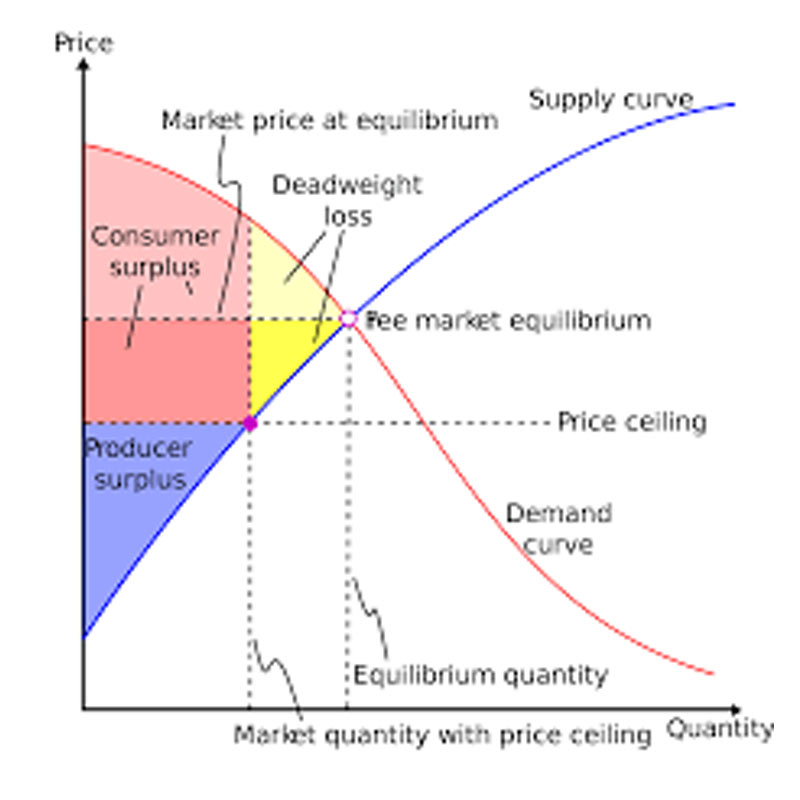
NEW DELHI / MUMBAI: An immediate fallout of the Trai mandated Rs 5 for all pay channels in CAS areas is that demands have started surfacing from various quarters to regulate prices in non-CAS areas as well.
“CAS should be beneficial for consumers and we hope that it is extended to other parts of the country soon, rather than being restricted to small areas of Kolkata, Mumbai and Delhi. This way, cable TV prices can be regulated,” Col SN Aggarwal, head of the Delhi-based consumer organization Voice, said today, while briefing newspersons.
Aggarwal told Indiantelevision.com that prices of pay channels should be brought down in non-CAS areas as well since both “broadcasters and cable operators are fleecing consumers.”
As per a Delhi High Court mandated understanding between the government and broadcast industry, CAS is scheduled to be rolled out in the south zones of Kolkata, Delhi and Mumbai from the midnight of 31 December 2006.
Voice, which had been an active participant in the CAS debate, has also demanded that the government should make rules that force pay channels either to air programmes without any advertisement or become free to air.
Aggarwal’s comments were echoed in a “non-CAS city” like Pune as well. Sudhakar Velankar, president of Grahak Panchayat, a Pune-based consumer forum, welcomed the Trai diktat saying, “We are in active negotiation with the MSOs to voluntarily adopt CAS for the consumers’ benefit.”
Meanwhile, independent cable operators in non-CAS areas have slowly started realizing that low prices in notified areas would result in disparity in pricing, leading to discontent amongst general consumers.
Cable Operators’ Federation of India president Roop Sharma today said that a meeting has been scheduled next week with Trai chairman Nripendra Misra, wherein a demand for extending the CAS regime to other areas would be made.
“Prices in non-CAS areas too, need to be regulated and lowered and this would be our agenda at the meeting with the Trai chairperson,” says Sharma, adding that her organization would speak on the behalf of small cable operators in non-CAS areas.
That independent cable ops in non-CAS areas are making demands for pay channels to lower their prices is evident from what several broadcasters said today.
“I have got several calls from cable operators saying that we should shed our channel prices to bring them at par with Trai stated prices for CAS areas,” a broadcaster, controlling several pay entertainment channels, said.
In Mumbai, Cable Operators & Distributors Association (Coda) president Ganesh Naidu says he wants CAS to be pushed not just in Mumbai but also across India. According to Naidu, “The new rates issued by Trai should be awarded to all consumers, rather than just restricting it only to certain sections of society. Unlike in the past, we are fully in support of CAS now that there is à la carte pricing of pay channels (something the cable fraternity has long been asking for).”
Simultaneously, a divided broadcasting community is trying to come to terms with the “ridiculously low” prices.
A sports broadcaster admitted that amongst the several options there is also one that envisages non-supply of its channels in CAS areas if the government refuses to budge on the Rs 5 per subscriber for any ay channel diktat.
“It’s a fundamental decision to be taken. There is certainly an option to let go of the CAS notified areas and suffer the loss rather than bear the ignominy of investing huge amounts of money in programming and getting paid peanuts as subscription, which would upset the whole business model,” the broadcaster said.
Still, the regulator feels such threats could only be addressed when it finally becomes a reality. “Trai would address the issue (of blackout of pay channels in CAS areas) when it is brought to it. Till now, no broadcaster has told us that it will switch off channels in CAS areas,” a Trai official told Indiantelevision.com.
There are valid reasons for the Trai official being so sanguine about the “blackout threat”. According to another broadcast executive Indiantelevision.com spoke to, non-supply of channels “is not an option”. The executive pointed out that the new downlink policy allowed the government enough powers to cancel the broadcast licence of anyone it deemed as being out of line.
So what are the options before the broadcasters? There are only two, he says. “Accept the Trai diktat or else fight it out in court.” No prizes for guessing the course the channels will be taking.