iWorld
Tata Play Binge welcomes Fuse+ onboard

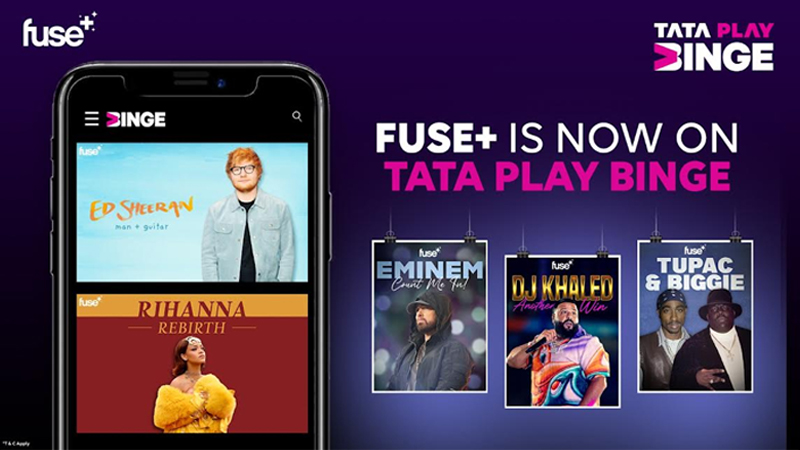
Mumbai: Tata Play Binge – one of India’s largest OTT app aggregators, added a new partner to its vast portfolio of aggregated OTT apps. The latest entrant Fuse+ is a platform dedicated to empowering and entertaining young, multicultural and millennial audiences with concepts that resonate with their unique perspectives. Fuse+ is one of the top 10 multicultural and youngest US entertainment networks, that now wishes to reach out to like-minded Indian viewers through Tata Play Binge.
Fuse+ features original series, documentaries and films that aim at positively shifting the audience perspective by motivating and elevating unheard and unseen stories. The channel also showcases superstars and emerging talent in a collection of music specials and unscripted series. With its vibrant programming like Big Freedia Means Business featuring Grammy-winning artist Big Freedia, T-Pain’s School of Business, We Need to Talk About America, Like a Girl, Upcycle Nation, and biographies spotlighting artists such as Dua Lipa, Ed Sheeran, Taylor Swift, BTS, and Coldplay, the platform gives its viewers access to 500 plus hours of original content and along with 30 hours of new licensed content per year.
Commenting on the new partnership, Tata Play’s chief commercial and content officer, Pallavi Puri said “Fuse+’s programming is diverse, differentiated, and contemporary. We are delighted to have them onboard, as more and more viewers are looking to expand their entertainment choices. Viewers on Tata Play Binge today are spoilt for choice as content from 25 plus OTT apps is available through a single subscription and single log in. With each new partner addition, the idea is to make space for new content and find its right audience match.”

“With a programming slate that serves as an entertainment destination for so many viewers, partnering with Tata Play Binge was a natural fit for Fuse Media as we continue our global expansion,” said Fuse Media chairman and CEO Miguel Roggero. “Fuse+’s library is made up of vibrant, culturally diverse stories, and we’re thrilled to introduce our empowering original programming and music-focused specials to Indian viewers.”
Fuse+ is represented by Brandwith, a premier representative and distribution company in the Asia Pacific region.
Fuse+ will join other popular OTT platforms on Tata Play Binge like Disney+ Hotstar, Apple TV+, ZEE5, SonyLIV, Jio Cinema, Hallmark, MX Player, Lionsgate Play, Aha, VROTT, Sun NXT, ReelDrama, Chaupal, Namma Flix, Planet Marathi, manoramaMAX, iStream, Tarang Plus, Hungama Play, Eros Now, ShemarooMe, Curiosity Stream, EPIC ON, Travelxp, DocuBay, ShortsTV, Playflix, KliKK along with Gaming. Content from all these platforms is available to the viewers of Tata Play Binge through a single subscription and a single user interface. Netflix and Amazon Prime Video plans are available for Tata Play DTH subscribers. Viewers can enjoy all 25+ apps on large-screen connected devices through Tata Play Binge+ Android Set Top Box, Tata Play edition of the Amazon FireTV Stick and www.TataplayBinge.com.






iWorld
Govt pushes live events sector to Rs 196 billion by 2028
LEDC roadmap targets 15–20 million jobs and global hub status by 2030
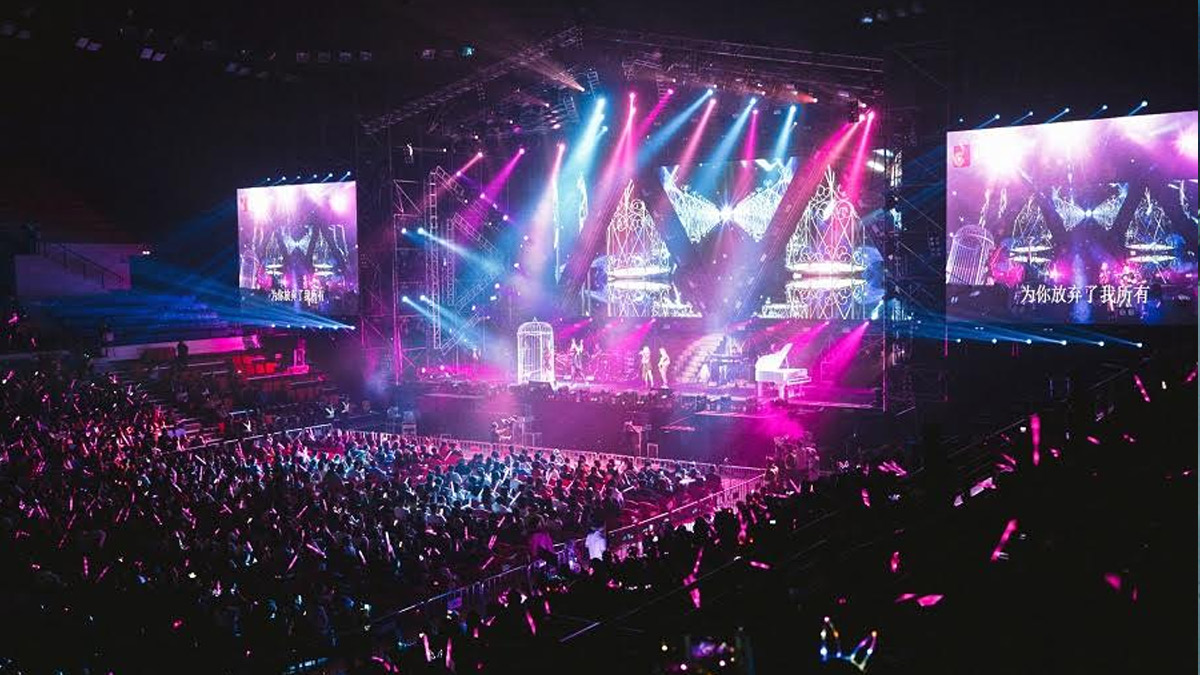
MUMBAI: India’s live events story is getting louder and this time, it’s policy turning up the volume. The fourth meeting of the Live Events Development Cell (LEDC), chaired by Chanchal Kumar, was held on 30 April 2026 at Vigyan Bhavan, bringing together representatives from nine Central Ministries, six States and 12 industry stakeholders to chart the sector’s next phase of growth. The numbers already tell a compelling story. India’s organised live events industry was valued at Rs 145 billion in 2025 and is projected to grow at 10 per cent to Rs 196 billion by 2028 making it one of the fastest-expanding segments within the media and entertainment ecosystem.
Set up in July 2025 by the Ministry of Information and Broadcasting, the LEDC is tasked with turning that momentum into a structured growth engine. Its long-term ambition is ambitious, position India as a global live events hub by 2030 while generating an additional 15–20 million jobs.
At the meeting, officials emphasised the sector’s multiplier effect spanning tourism, employment and allied industries while underlining the need for coordinated execution. A key update was the rollout of a single-window clearance system for live event permissions via the India Cine Hub portal, aimed at simplifying approvals and improving transparency.
States have been urged to adopt the system, alongside implementing the “Model Executive Order for Streamlining Licensing and Permissions for Live Events in India, 2026” by 31 May 2026. The framework seeks to standardise what has long been a fragmented and time-consuming regulatory process.
Beyond permissions, the discussion also turned to infrastructure and talent. A draft concept for greenfield venue development was tabled, alongside plans to build a skilled workforce. The Indian Institute of Mass Communication, in collaboration with industry bodies MESC and EEMA, is set to introduce certificate courses tailored to the live events sector.
Chanchal Kumar stressed that alignment across stakeholders is already in place, with the next challenge being execution at scale. The government, he noted, remains committed to creating a facilitative and transparent ecosystem for organisers.
For an industry once seen as fragmented and event-driven, the message is clear, India’s live events business is no longer just about the show, it’s about building an entire stage for growth.