Ad Campaigns
Research study of ASCI & UA launched on diversity and inclusion at D & I Summit have deep-rooted meaning for future advertisers

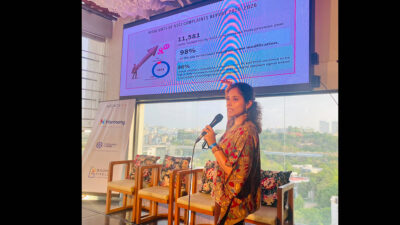
Mumbai: ASCI (The Advertising Standards Council of India) and UN Women convened the Unsterotype Alliance (UA) launched their collaborative study on Diversity and Inclusion (D&I) in the Indian advertising world. The report is prepared by ‘Kantar’ a global brand research partner to study critical components in the corporate world pertaining to ESG. ESG (Environmental, Social, and Governance) are the important parameters on which the foundation of a modern company is based. The joint report by D & I representation along with ASCI highlighted some keynoting which is attributed to diversification of the workplace without any discrimination on based on caste, religion, colour, creed, social status, gender, sexual orientation, etc. To discuss this issue notable people came together to push awareness of D & I brands. Filmmakers, journalists, LGBTQ workers, corporates, and artists were presented at the venue.
As need of an hour Diversity and Inclusion D&I data unveils new insights of new Indian advertising standards which are ‘ Inclusive’ in nature. In the last few years, digital transformation made some robust changes in advertising. Regardless of platform whether it is online, offline, print, digital, or in audio-video format. Starting from after the colonial period till now advertising standards have changed over a period of time. For example, the short duration of advertising TV commercials has to deliver a social message along with product specifications along with its advantages. However, the advertising council promotes maintaining the dignity of different sections of society across demographics.
The inclusive nature of advertising helps the brand to promote fairness and safety in the workplace and create a favorable atmosphere. This report mapped diversity in 28 countries with key dimensions over different D & I parameters.
As per data suggest 33 per cent of consumers across the world, and 48 per cent of Indians expressed the need for inclusivity. This changing atmosphere helps brands to take necessary steps for inclusivity in brand promotion and awareness. A sample size of observations taken from Ads aired from October 2023. Coupled with the extensive analysis of Kantar extensive analysis of advertisements indicates the steady improvement in DEI in India. In advertisements representation of diversity with regards to LGBTQ (Less than 1 per cent), people with disabilities (less than 1 per cent), and senior citizens (4 per cent) which is less than expectations.
While women’s representation in advertisements the sticky stereotype image is considerable size in several advertisements, key findings suggest the quick redressal of the problem. To throw some light on inclusivity, more women are portrayed with fair skin tone (58 per cent vs 25 per cent of men on screen), Less diverse physical appearance (39 per cent were shown as slender vs 16 per cent of men on screen), Low nontraditional roles (17.5 per cent of women depicted as sole caregiver vs 3.5 per cent characters), and less authoritative (with male characters three times more authoritative than their female counterparts.) Specifically, women tended to be shown as younger with 86 per cent between the age bracket of 20 to 39 years of age compared to 62 per cent of men.
An important question arises when the diversity metrics are evaluated in line with the ROI (Return on Investments) of the advertisements. At the end of the day the advertisers try to explore all available opportunities with an assessment of D & I advertisement content along with its ROI. Gradually the bundle of creative advertisements can have a positive impact with progressive advertisements. In the last few years target consumers (TC) expect to see reformed advertisements to promote inclusivity. The Study of Unsterotype Metrics or UM, designed by Unsterotype Alliance with ‘Kantar”. This research study uses imperial data to understand the impact on ROI for brands with reformed inclusive advertising.
The reason for promoting inclusivity at the summit is to understand ‘Unity in Diversity’. Notwithstanding in today’s advertising world, it is difficult to measure the indirect nature of biased advertisement. To promote fair and transparent advertising research needs to understand brand practices, case studies, different demographics, target audiences, products, D & I in changing times. Customer-centric perspective can help the brand reach grass root level.
While commenting on brand and society inclusion, ASCI CEO and secretary general Manisha Kapoor said, “There is no doubt that advertising shapes society, Indian advertising is missing with diverse and inclusive narratives that can provide a real edge to brands as can be seen in the study. Along with the Unstereotype alliance and other partners ASCI would like to nudge and support the advertising industry in getting its DEI representation right. The opportunity to include diverse perspectives and stories is a powerful one and the event showcases the immense benefits both brands and society can derive from such progressive inclusions.”
Despite the limitations of advertising good advertisements can create an impact in the minds of consumers. Not only does it help the brand to sustain but encourages brand ‘Recall’. It is invisible goodwill that can be amplified through sustainable brand awareness with ESG. The mandatory compliance of ESG helps to promote the brand without any malpractices.
For future advertisers, it can create a significant impact on the way of advertising in Indian society.
(With inputs from ASCI & UA, Kantar Summit report key findings)