MAM
Hyundai Motor India collaborates with Red Bull for ‘Urban-Downhill’

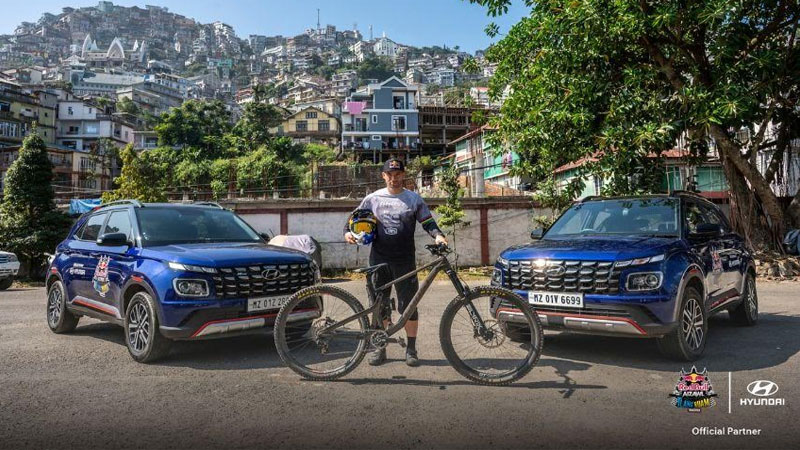
Mumbai: Hyundai Motor India announced an exciting and adrenaline packed collaboration with Red Bull for the inaugural Red Bull Urban Downhill. Red Bull Urban downhill is a high-speed mountain biking event wherein athletes engage in a downhill adventure course with various obstacles and high jump ramps along the course. The event is set to take place in Aizwal, Mizoram, in March 2024. This marks the first collaboration between Hyundai Motor India and Red Bull in India, bringing together the dynamic worlds of automotive innovation and extreme sports.
Commenting on the announcement, Hyundai Motor India AVP & vertical head, marketing, Virat Khullar said, “This association is the perfect amalgamation of Hyundai Motor India’s outdoorsy spirit with Red Bull’s energetic spirit. This partnership aligns with a common cohort that is enthusiastic, fun loving and outgoing. On a path to creating benchmarks with a new age audience, I am confident that ‘Urban-Downhill’ will mark a new chapter in our exciting journey.”
Renowned as one of the elite performers in the mountain bike 4X discipline, Red Bull Athlete Tomáš Slavík boasts a string of world titles that affirm his status among the cycling elite. Sharing his excitement about the groundbreaking urban downhill project in Aizwal, Slavík said, “I am thrilled to have been part of the first-of-its-kind urban downhill project in Aizwal. Exploring challenging routes and breathtaking views during my time there was truly exhilarating. The content is tailor-made for the Indian audience, igniting the spirit of adventure and undoubtedly inspiring young bikers. I eagerly anticipate the response to this video.”

Smriti Mandhana, the left-handed batswoman living the dreams of every young Indian, applauds the collaboration between two of her favourite brands, Red Bull and Hyundai. Witnessing Tomas effortlessly executing tricks during his downhill descent, she said, “The collaboration between Hyundai and Red Bull marks an exciting journey into the world of adventure. I am thrilled to see the incredible feats captured in the documentary, showcasing how Tomas Slavík’s skills seamlessly blend with the spirit of adventure. It highlights the prowess of both brands in pushing the boundaries of exploration.” Hailing from the Sangli district in Maharashtra, this Red Bull Athlete, like most youngsters in India, grew up dreaming of donning the country’s cricket colours.
Red Bull Urban Downhill, an extreme mountain biking sport, is an event that has been organised across various countries and has garnered high engagement from audiences across the globe with majority engagement coming from India on digital platforms for the event. Recognizing the growing fan base for mountain biking, especially in the Northeast region of India, Hyundai and Red Bull are excited to introduce this thrilling sport to Indian enthusiasts. The event, titled “Red Bull Urban Downhill Tlang Ruam, Aizwal,” aims to act as a catalyst for the sport’s growth in India.
Hyundai and Red Bull’s commitment to nurture the local interest in extreme sports is evident through the engaging content created in collaboration with Tomas Slavik, a celebrated mountain biking professional and a UCI 4X World Champion. Thomas recently visited India and created an engaging documentary. An engaging companion on this journey for Thomas was Hyundai’s Venue N Line which brings together the perfect balance of motorsport inspired styling and technology that add thrill to every drive. The documentary along with action clips will be shared on various social media platforms to generate excitement leading up to the Red Bull Urban Downhill Tlang Ruam, Aizwal slated to happen in March 2024.







Brands
Mother’s Recipe launches Summerwala Sharbat range
Five nostalgic flavours priced at Rs 215 aim to tap summer refreshment demand.
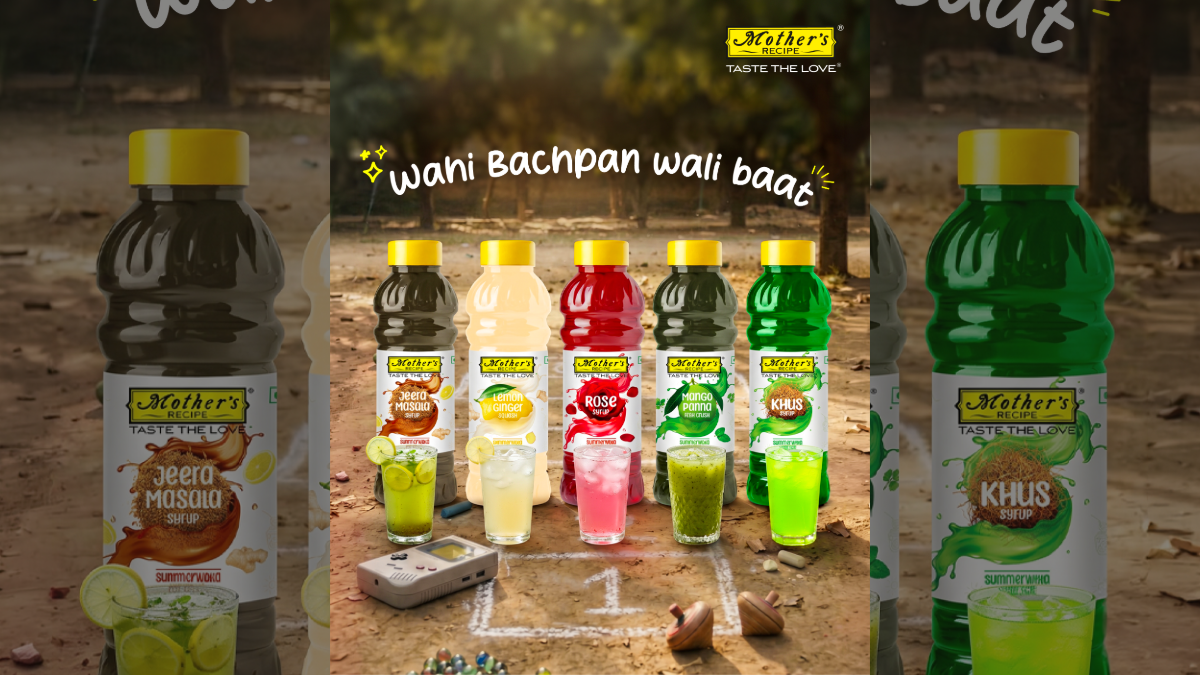
MUMBAI: Call it a sip of summer nostalgia, Mother’s Recipe is bottling childhood memories and pouring them back into the present. The homegrown ethnic food brand has introduced its Summerwala Sharbat range, a five-flavour line-up designed to recreate the familiar tastes and rituals of Indian summers, while catering to modern consumption habits. The range features Mango Panna, Rose Syrup, Jeera Masala Syrup, Khus Syrup and Lemon Ginger Squash, each rooted in flavours that have long defined seasonal refreshment across Indian households. From the tang of raw mango to the cooling comfort of khus, the portfolio leans heavily into recall, not reinvention.
At a time when brands are increasingly leaning on nostalgia as a strategic lever, Mother’s Recipe is positioning Summerwala Sharbat as both a functional beverage and an emotional cue. The idea is simple: revive the small, everyday rituals post-play drinks, family gatherings, the clink of ice in a glass that once defined summer afternoons.
The products are packaged in 750 ml PET bottles and priced at Rs 215, targeting both routine household consumption and social occasions. Distribution spans leading e-commerce platforms as well as select offline retail outlets.
Mother’s Recipe executive director Sanjana Desai said the intent was to bring back flavours tied to “taste, routine and home”, while making them relevant for today’s consumers.
The move reflects a broader shift in the beverages market, where heritage-led storytelling and familiarity are increasingly being used to stand out in a crowded, innovation-heavy category.
With Summerwala Sharbat, Mother’s Recipe isn’t just selling a drink, it’s selling a season, one glass at a time.