MAM
Narayan Devanathan is Dentsu Marcom national planning head


MUMBAI: Dentsu India Group has appointed Narayan Devanathan as national planning head, Dentsu Marcom.
Based out of the Group‘s India headquarters in Gurgaon, Devanathan will be a key member of the new leadership team at Dentsu India Group.
His primary responsibilities will involve leading strategic planning for current and prospective clients across Dentsu Marcom offices in India.

Devanathan joins from Euro RSCG where he was chief strategy officer. Over his 19 years in the business, he has worked across capacities in planning and copy with leading advertising agencies in India and the United States.
Prior to Euro, Devanathan was senior planning director at Ogilvy & Mather India. He has also worked with US based Cramer-Krasselt and Admerasia, New York.
Devanathan‘s diverse category experience includes FMCG, automobiles, banking and financial services, beverages, fast food retail, technology, healthcare, real estate, personal care, pharmaceuticals, crafts and apparel.
Dentsu India Group executive chairman Rohit Ohri said, “It‘s an exciting time for us at Dentsu India Group. We‘ve triggered a transformation, a new beginning and a reinvigoration of our India presence. Narayan will partner Titus Upputuru and Hiroshi Omata to lead Dentsu Marcom to its next phase of growth. The width of Narayan‘s experience and passion for the creative work will be invaluable for Dentsu India.”
On joining Dentsu Marcom, Devanathan said, “Over the years, I‘ve figured the 3 principles that I work best by are honesty, simplicity and collaboration. In the new scheme of things at Dentsu India, that‘s what I‘m looking to harness as the head of strategic planning – to help create a fantastic future for brands, together with my agency, Dentsu Marcom and client partners. After some terrific stints at American and Indian agencies, I guess I‘m hoping to find love in Tokyo too.”
Devanathan has worked on brands such as Reckitt Benckiser portfolio (Dettol, Strepsils, Lysol, Mortein, Airwick, Harpic, Easy Off Bang, Veet, Vanish, among others), Fair & Lovely (digital for Unilever), Sprite, KFC, American Express, GE Healthcare, Mitsubishi Motors, Baskin Robbins, IBM, Motorola, Cisco and Teacher‘s .




MAM
Dish TV shareholders approve three independent directors
99.49 per cent vote of confidence strengthens board as company expands into connected TV, e-commerce and OTT.
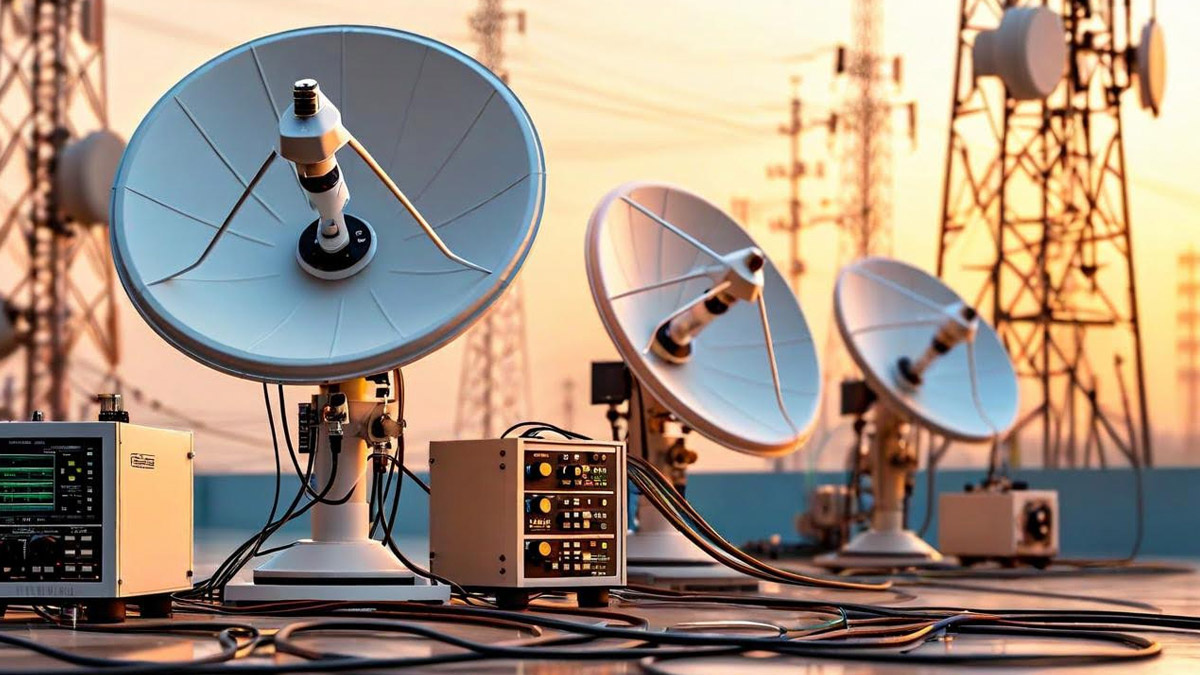
MUMBAI: Dish TV has just been served a near-perfect vote of confidence and the shareholders have dished it out in style. Shareholders of the DTH operator have approved the appointment of three new Independent Directors with an overwhelming 99.49 per cent approval. The three appointees are Mr Arun Kumar Kapoor, Ms Heena Naishadh Bhatt and Mr Ashok Anant Paranjpe.
The strong mandate reflects continued investor faith in the company’s strategy, disciplined execution and long-term value creation. It comes as Dish TV focuses on stabilising its core DTH business while actively scaling new verticals connected TV platform VZY, B2B e-commerce ShopZop, and OTT service Watcho to build a more diversified and resilient growth trajectory.
Dish TV India Limited, CEO & executive director Manoj Dhobhal said, “We are encouraged by the shareholders’ approval of the appointment of the Independent Directors and sincerely thank them for their continued trust and confidence. The Board is already benefiting from the Directors’ collective experience, which will further sharpen strategic focus and support disciplined execution.”
With a fresh, strengthened board in place, Dish TV is well positioned to navigate the evolving media landscape. In a sector where every percentage point matters, a 99.49 per cent thumbs-up is the kind of ringing endorsement that suggests the company’s recipe for the future is already tasting right.







