Hindi
JP Dutta to remake Baboo Band Baaja

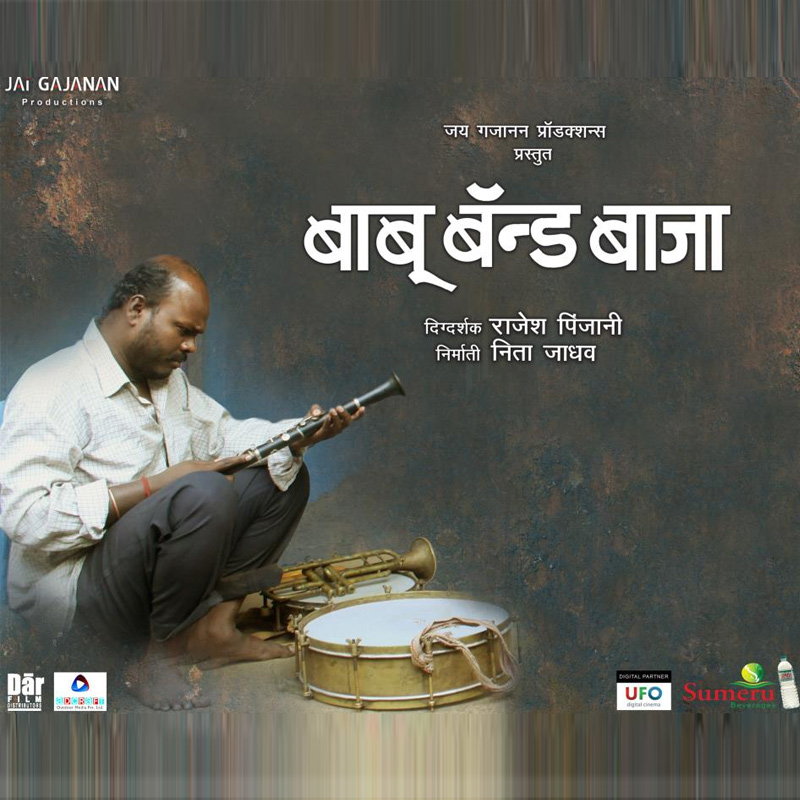
MUMBAI: JP Dutta has decided to remake the National Award winning Marathi film, Baboo Band Baaja.
Baboo Band Baaja is the story of a man who plays in a local band to earn a living. He wants his son also to take up the same profession. The mother, on the other hand, wants to provide education to her son. The film shows the irrepressible surge to soar in life, pitted against the vicious grip of circumstances.
Baboo Band Baaja won awards for the best debut film, best debut director, best actress in a leading role (Mitalee Jagtap Varadkar) and Best Child Artiste (Vivek Chabukswar).

Dutta is now finalising the cast and the crew of the remake.



Hindi
Rajesh Ramaswamy exits The Script Room to focus on filmmaking journey
Ad filmmaker steps away from own venture to pursue direction and storytelling
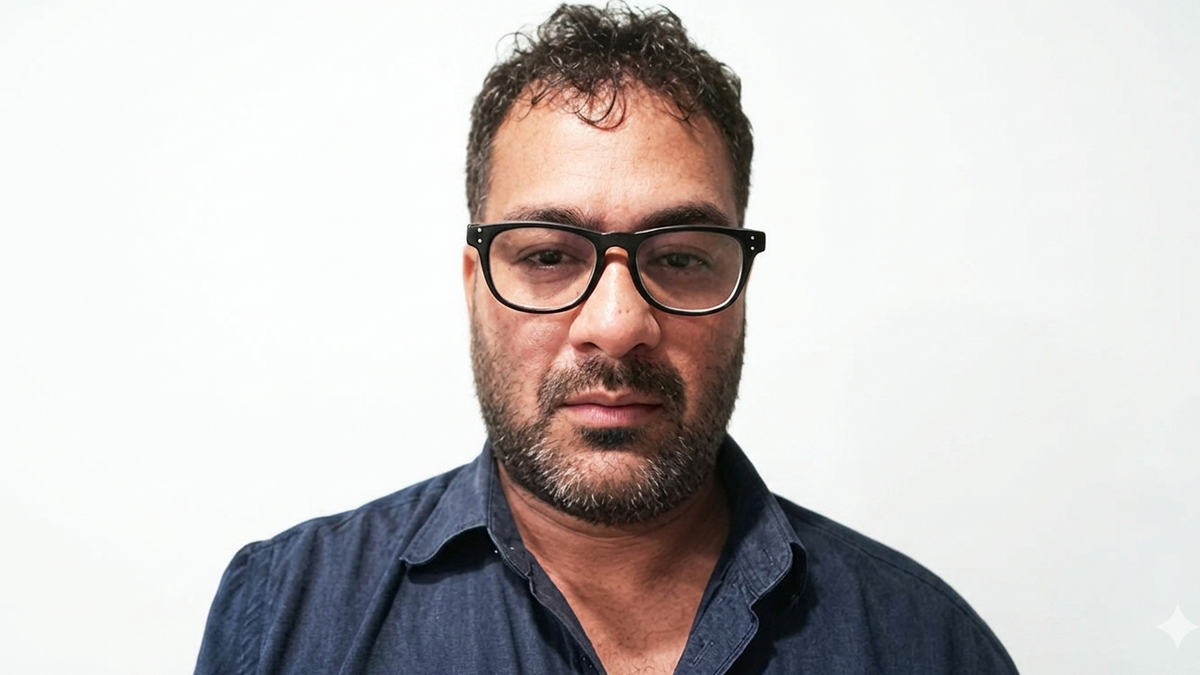
MUMBAI: In a move that has caught the attention of the advertising and creative community, Rajesh Ramaswamy has announced his exit from The Script Room, the company he co-founded, marking the end of a seven-year stint at the helm.
The decision, which came into effect earlier this month, signals a shift in focus for Ramaswamy, who is now looking to immerse himself fully in filmmaking and direction as an independent creative.
Known for blending sharp advertising insight with storytelling craft, Ramaswamy has been instrumental in shaping The Script Room into a creative hub that delivered campaigns, branded content, and original storytelling formats. Over the years, the company collaborated with agencies, directors, and a wide network of writers, while also experimenting with formats such as short films and web series.
Sharing his thoughts on the transition, Ramaswamy indicated that the move is driven by a desire to focus and explore stories he has been developing over time. While he acknowledged the unconventional nature of stepping away from one’s own venture, he also framed it as a necessary leap toward clarity and creative pursuit.
Importantly, The Script Room will continue its operations with its current team and leadership, with Ramaswamy expressing confidence in the group that helped build the company’s identity. The studio, he noted, remains well-positioned to evolve further with fresh talent and ideas.
His exit also reflects a wider industry trend, where experienced advertising professionals are increasingly transitioning into independent filmmaking, tapping into the growing opportunities across digital and long-form content platforms.
As Ramaswamy steps into this new phase, the move underscores a familiar creative instinct, sometimes, the boldest ideas begin with a clean break.