MAM
TAM: Arvind Sharma asks broadcasters to be patient as changes take time

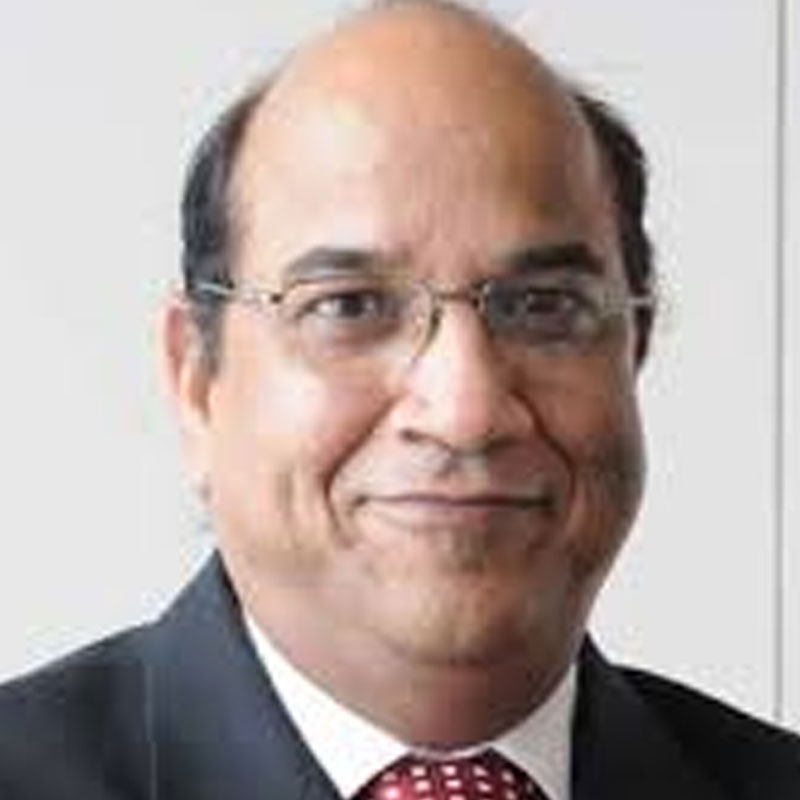
MUMBAI: Television broadcasters need to have patience as all the stakeholders are taking steps to move to a system of audience measurement acceptable to all, said Advertising Agencies Association India (AAAI) president Arvind Sharma, while speaking exclusively to Indiantelevision.com.
Sharma’s counsel of patience follows outright rejection by broadcasters of the proposals forwarded by TAM Media Research to fortify its existing television ratings system.
Sharma is pinning hopes on the proposed Broadcasters Audience Research Council (BARC) becoming operational in the next few weeks. A monitoring team constituted by BARC will then make sure that TAM carries out the commitments it has made.
AAAI and Indian Society of Advertisers (ISA) had a meeting with TAM officials on 16 August during which the television ratings provider outlined a six-point action plan.
The six steps outlined by TAM include appointment of a security officer and a security agency, expansion in the number of peoplemeters in six top metros, an industry review of the research processes, independent audit of outlier homes, faster rotation of the peoplemeter homes and setting up of an internal audit team.
AAAI is hoping a meeting of AAAI, ISA and Indian Broadcasting Foundation (IBF) will happen in the next few days to finalise the modalities of setting up and making operational BARC.
Sharma said, “I completely understand the growing skepticism. It is only action and demonstration of action which will change skeptics into believers in the sense that something is happening.”
“In real terms what will happen is that we are hoping that BARC will be created within weeks and there will be a team from BARC which will monitor the progress closely,” Sharma added.
His argument is that unless the industry has the ability to monitor the progress in improving the audience measurement system, any timelines will make no sense.
Sharma said he hopes a BARC team to monitor audience measurement is put in place pretty soon.
Asked about how media agencies not present at the meeting on 16 August and those who are not a part of either AAAI or ISA can be taken into confidence, Sharma had this to say: “The Joint Industry Body (JIB) which was supposed to be guiding TAM has not been functional.”
He said the fact that TAM has specified some definite action steps was in itself a good signal. “The rest will be up to BARC to assess whether the proposed steps are adequate for the short run and make sure that they get implemented.”
About a decade ago when there were two suppliers of television ratings – INTAM and TAM, each had their own specific number of meters. The industry stakeholders at that time decided to pool in their resources instead of paying money to two agencies and make the study more robust.
The problem arose when a list of some peoplemeter homes was leaked and then allegations of manipulation of data were made. “So, if a (television) channel wanted to play mischief, it could target three or four peoplemeters homes through extra activations and that would make a huge difference”, Sharma pointed out.
The JIB, when it was functioning about a decade ago, had laid down a lot of processes and rigorous rules for how the sampling would be done and had also introduced electronic checking,
validation of data, etc.
“Associations have to follow their processes. We just have to be a little patient in letting things fall into place. We are definitely moving forward. I am sure of it. The whole point of having associations is to carry members along even though the solutions may take longer to reach,” Sharma said.
His philosophical view was that people involved ultimately accept the changes even if it takes a little longer.
Also read:
TAM proposals fail to enthuse broadcasters