Event Coverage
India needs to build a second sport

MUMBAI: In a single sport country like India, it is important for all the stakeholders in sports industry to come together and build other sports besides cricket through a right model and create an ecosystem that works for everyone in the value chain – federations, broadcasters and fans.
That, the experts believe, will reduce the dependency of sports broadcasters on cricket, which is becoming financially unviable due to steep rise in acquisition of properties
Television is one of the most important components of popularising sports. It is broadcast rights fee that helps sporting bodies world over to fund the development of sports – whether it be creating infrastructure, developing talent or attracting talent.
World Sport Group South Asia CEO Venu Nair believes the right model for any sports federation in India is to grow their sport by reaching out to as many people as possible. He also cautioned sports federations against blindly following the Indian Premier League (IPL) model.
"Every other day you see an IPL-styled league with a new logo pasted on it. IPL became the success that it is because there was a thriving ecosystem in place before it launched. Other sports won‘t taste success by just emulating the IPL model," Nair said, while speaking at Ficci-Frames 2013.
His suggestion to federations: Forge strategic partnerships with broadcasters where both rights owner and rights holder are equitable partners. He also suggested that the role of a public broadcaster should not be undermined in popularising a sport.
"A sport like Football can become popular if it works with a public broadcaster. That will help a sport to be sampled by more people and then make it a habit for viewers to watch that sport," he averred.
The credit for making cricket a huge success on television goes to Doordarshan, feels Nair.
"There were lots of triggers that made Cricket popular. One of those was Doordarshan. People started following the sport because of Doordarshan. It played a large part in driving traction for cricket," said Nair during a panel discussion on ‘Sports: Economic viability and the crisis within‘.
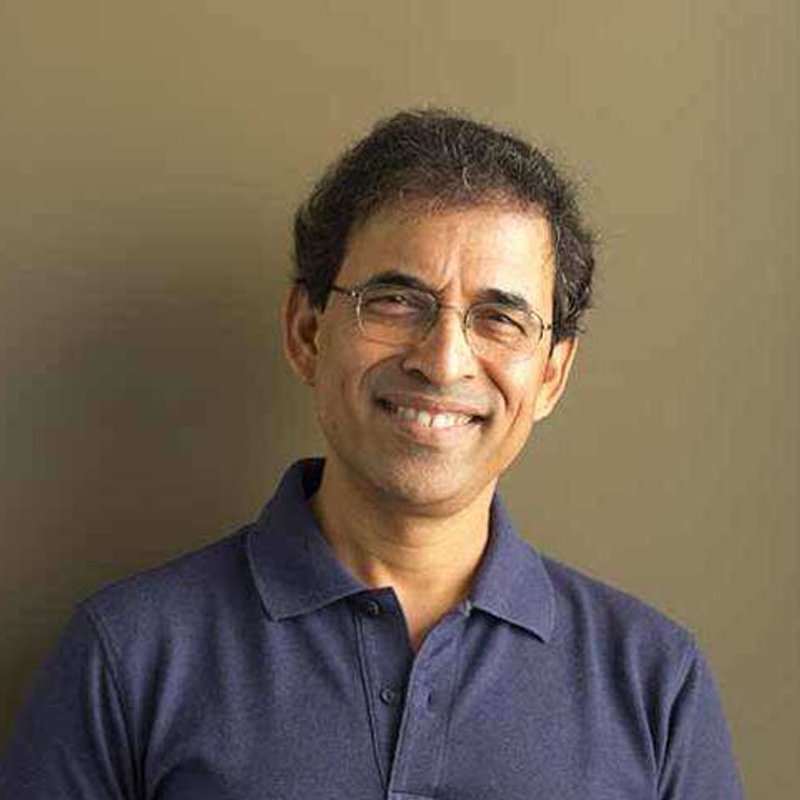
Cricket commentator Harsha Bhogle, who was moderating the session, pointed out how BSkyB built EPL into a powerhouse in UK.
All India Football Federation (AIFF) General Secretary Kushal Das feels the quality of Indian football has to be on par with international football.
"The problem with Indian football is not so much cricket as it is football itself. Today, football fans have access to the best of Football leagues whether it is EPL, La Liga or Bundesliga. When you compare Indian football with these top leagues, we don‘t match up," Das said.
Indian football, he feels, suffers a double whammy of almost non-existent infrastructure and lack of talented players. Unless these issues are dealt with, Indian football will continue to suffer.
Das said a partnership between a pubcaster and federation will only work if both the partners work in tandem towards the same goal. In the Indian context, he said the bad quality of production and commentary on DD can put off viewers who are exposed to international quality football.
Another critical factor hampering the growth of non-cricket sports is the lack of clarity on scheduling. An annual calendar that lays down the schedule is important, not just from broadcasters point of view but also for a fan.
Indian Football, in particular, suffers from scheduling problem that has been giving nightmares to AIFF‘s broadcast partner Ten Action+.
Addressability & price cap de-regulation
Sports broadcasters at the session batted for de-regulation of price cap on cricket which hasn‘t changed much since 2003 while the cost of cricket rights have gone North in the subsequent years. Cost is a structural issue which can only be addressed by ramping up subscription revenues.
Star India Head of Sports Nitin Kureja said the government has to relax price regulation and let the market forces decide the price. "The revenue side has been a huge challenge. In fact, it has been a challenge to exploit all revenue streams. While the cost of cricket rights have gone up, the subscription revenue has not kept pace," Kukreja stated.
"Regulation should have differential treatment for different sports," he added. Star India had bagged the BCCI media rights for Rs 38.51 billion till 2018.
Neo Sports Broadcast COO Prasanna Krishnan opined that addressability was a bigger issue than price cap.
"You can charge 1,000 rupees but if you don‘t know how many subscribers you have, it won‘t make much of a difference. So in my opinion, addressability is a bigger issue. Digitisation in that sense will be a game changer," Krishnan contended.
He also felt that the mandatory sharing of feeds with the pubcaster has robbed the broadcasters of exclusivity. Pilferage of signals only worsens the situation for a sports broadcaster who has committed millions of dollars.
"The public broadcaster in our country is too cricket-centric. That has to change if the intention is to air events of national importance. Why doesn‘t public broadcaster telecast I-League?," Krishnan questioned.
He said the pubcaster is choosing events that are commercially viable.
WSG‘s Nair, however, put the blame squarely on broadcasters for the broadcast rights going through the roof. "I am sure the broadcasters themselves know that they won‘t be able to recoup their investments when they bid for cricket rights. That is something that we should address. There are certain rights that have some value," he said.
Concurring with Krishnan‘s view, IPL CEO Sundar Raman said sports broadcasting is driven by subscription income globally unlike India which is dependent on ad revenue that keeps fluctuating depending on seasons.
"When you are dependent on ad revenue to recover your investments, you are at the mercy of media agencies. Across the globe, sports is driven by subscription. The amount of money that broadcasters get in India as subscription revenue is pittance," Raman explained.
Raman said the addressability of audience is the single biggest challenge for the sports industry.
Apart from addressability, the key to growing sports is to market it well, micro-targetting audience by going regional and exploiting other revenue streams, said Raman.
On marketing front, Raman said the Hockey India League (HIL) did a good job which sports bodies can emulate. The marketing will help build a habit of strong viewing among viewers.
Commentary, he said, is also an important aspect of growing a sport that will help viewers to understand sport better. Broadcasters, he said, should approach different markets by launching regional feeds that will build an instant connect.
"The problem is we tend to treat India as one big mass. There is a big opportunity in regional markets. We should have regional feeds with commentary in regional language," Raman said.
He further stated that rights holders should start exploiting other revenue streams like digital media which will increase the reach of the event. "Consumption of sports on digital medium is increasing, we should tap into this segment but broadcasters are focusing on internet fearing loss of viewers."