Applications
Samsung supposedly working on CableCard video set top box


MUMBAI: Samsung is planning to bring to the market a new Smart Media Player set top box with a CableCard slot for traditional subscription video services and a broadband connection for over-the-top (OTT) streaming video services, according to a recent filing with the FCC.
The device is slated for a summer release, though no other launch details have been confirmed since the filing still has to meet FCC approval.
TiVo already makes a DVR set top box with CableCard that covers both traditional TV and OTT video, and actually requested the same allowance from the FCC previously, but the governing body has yet to make a ruling.

The FCC stipulated new rules in December 2012 that allows cable operators to add basic tiers to their all-digital systems. Samsung‘s proposed media player would apparently include a QAM digital tuner, but not an analog one. The company cites fall in demand now that cable operators are almost fully digital as its reason. Adding analog tuners to conform to the FCC rules would make the device more expensive because of power requirements and other factors.
Samsung hopes the FCC can expedite the waiver to enable the company to launch the box this summer. Since TiVo also petitioned for a similar change, it might give the regulatory body the chance to broaden the scope of the waiver so as to cover CableCard-enabled devices in one fell swoop.
Eager to get the device to market, Samsung issued a statement: “If Samsung cannot provide Smart Media Players to retailers by the end of the summer, it risks losing the opportunity to obtain any shelf space in 2013, including during the all-important holiday season. This would delay consumer access to the Smart Media Player until early in 2014, an unnecessary wait that would be unfair to consumers and serve no purpose.”






Applications
Inshorts Group chief Deepit Purkayastha joins IAB video council for Southeast Asia and India
The co-founder and chief executive of the short-form content platform has been inducted into the IAB SEA+India Video Council, giving India a stronger voice in shaping digital video frameworks
NOIDA: India has long been the world’s most chaotic, multilingual and mobile-first digital market. Now, one of its most prominent short-video executives is getting a seat at the table where the rules are written.
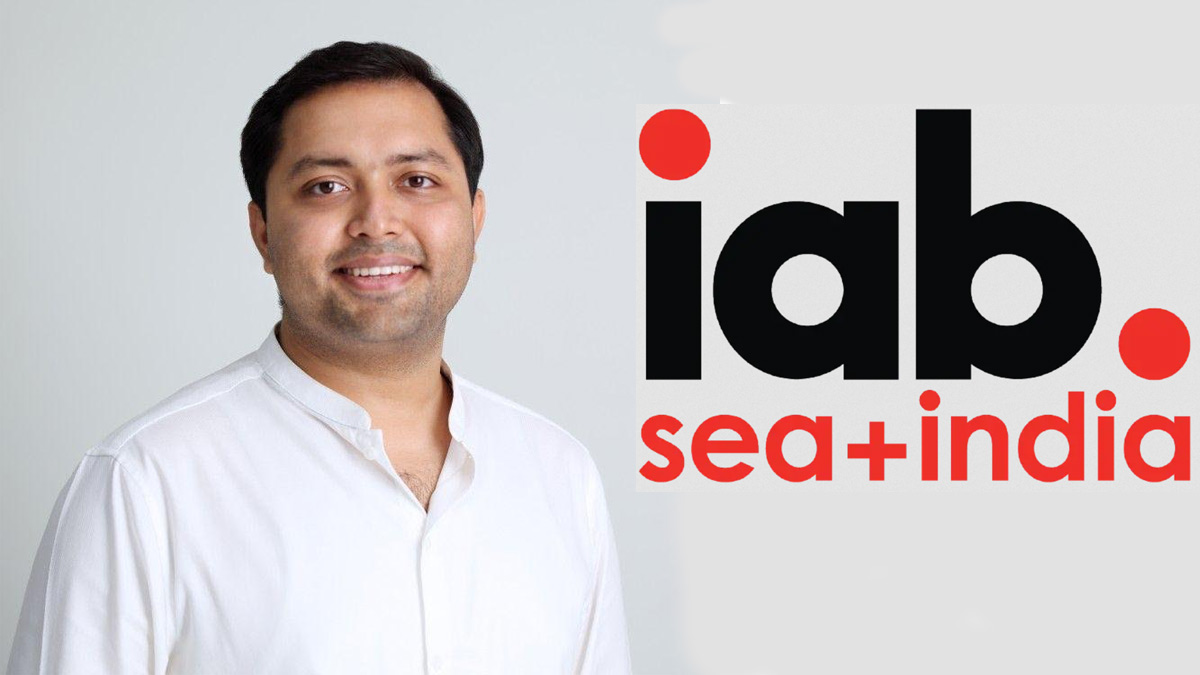
Deepit Purkayastha, co-founder and chief executive of Inshorts Group, has been selected as a member of the IAB SEA+India Video Council for 2026. Run by the Interactive Advertising Bureau, the council brings together senior leaders from Southeast Asia and India to shape standards, best practices and measurement frameworks for the fast-evolving video and digital advertising ecosystem.
The timing is pointed. According to the IAMAI-Kantar Internet in India Report 2025, over 588 million Indians are now consuming short-video content, with growth increasingly driven by rural and non-metro audiences. India’s active internet user base has crossed 950 million, with 57 per cent of users now coming from rural markets. Yet the frameworks that govern how video consumption is measured and monetised were largely designed for single-language, Western markets and have struggled to keep pace with the scale, diversity and complexity of India’s digital landscape.
Purkayastha is no stranger to these debates. He already serves on the AI Council at Marketing and Media Alliance India and as co-chair of the Digital Entertainment Committee at the Internet and Mobile Association of India. His induction into the IAB SEA+India Video Council extends that influence into the global video standards arena.
Inshorts Group sits squarely at the intersection of these forces. Its flagship product, Inshorts, India’s highest-rated short news app, reaches 12 million active users with 60-word news summaries. Its sister platform, Public App, reaches 80 million monthly active users across more than 700 districts and 12 languages, serving communities that most global platforms barely register.
Purkayastha said the opportunity was about building something more representative. “India today sits at the centre of the global video ecosystem, but the frameworks that define how value is created and measured have not always kept pace with the realities of our market,” he said. “Being part of the IAB SEA+India Video Council is an opportunity to contribute to a more representative and future-ready approach, one that accounts for diversity in language, context, and user intent.”
As a council member, Purkayastha will contribute to shaping regional standards across video advertising, measurement and platform governance, with a focus on frameworks that are native to India’s multilingual, mobile-first ecosystem rather than imported from global benchmarks designed elsewhere.
For years, India has been content to play by rules written for other markets. Purkayastha’s induction is a signal that it is done waiting to be consulted and ready to start writing them.