Digital
Raga to Rock: Launching the My Music, My Rights campaign by IPRS

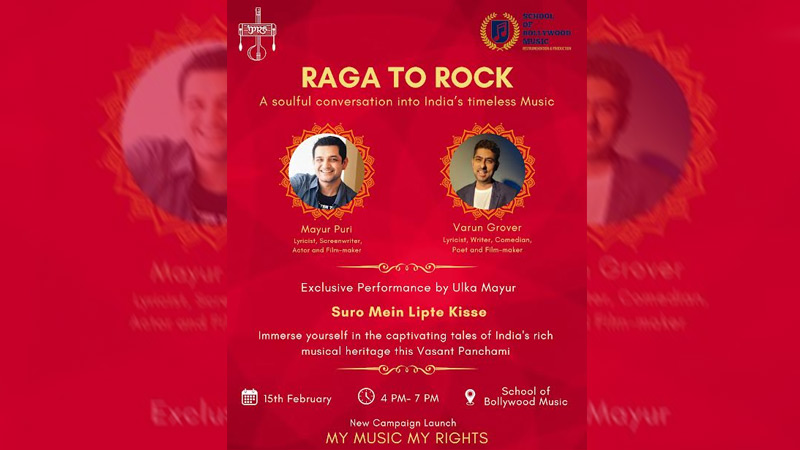
Mumbai: IPRS is set to launch its nationwide campaign, “My Music, My Rights,” through an engaging and insightful event titled, “Raga to Rock,” on 15 February 2024. This initiative seeks to spark a national dialogue on the inherent value of music and the necessity of supporting the creators and their creativity for a sustainable music industry.
Music holds an integral place in India’s cultural tapestry, with references to it found in ancient texts. Tracing back to ancient times, India’s profound musical heritage is deeply rooted in its sacred texts. Brahma, the creator deity, is credited with deriving music from the celestial chants of the Sāma Veda, symbolizing the heavenly world itself. Alongside Brahma, deities such as Vishnu, the preserver, and Shiva, the destroyer, are revered as patrons of music, underscoring its intrinsic connection to spirituality and culture. In the divine pantheon, Sarasvati, the goddess of music and knowledge, occupies a central role. Consort of Brahma, she is depicted as being well-versed in playing the Veena, a stringed instrument, and is revered as the embodiment of artistic expression and wisdom.
While India’s musical heritage is celebrated worldwide, music creators and those envisaging a full-time career in music often face significant challenges in earning a sustainable livelihood from their craft.
According to the recent study by EY titled ‘The Music Creator Economy: The Rise of Music Publishing in India’, India generates over 20,000 original songs annually contributed by 40,000 music creators, directly or indirectly generating over INR 12,000 crore in revenues each year. However, many in their career as a creator find themselves grappling with financial challenges. Out of 500 creators surveyed, 87 per cent of respondents would have liked to make a living off their music alone, but only 60 per cent were able to do so. A majority strongly believed that they needed to learn more about music production and how to better monetise their music. Only 56 per cent of respondents had access to the equipment and infrastructure required to produce music. While India consumes more music per capita than the world average, it ranks 14th in recorded music revenues. In contrast, publishing revenues are ranked 23rd due to various issues like lack of legal clarity and consequently, low compliance. The significant disparity between the vast volume of music produced and the limited earnings of many creators within the industry, exacerbated by a widespread lack of understanding about the music business, underscores the urgent need to bridge this gap, a mission at the heart of the campaign.
The campaign “My Music, My Rights” seeks to bridge this divide by raising awareness and providing support to music creators across the nation. The report also highlighted that 33 per cent of music released, comprises regional content, indicative of India’s diverse musical landscape. Yet, challenges such as accessibility, copyright awareness, and publishing rights hinder the rightful recognition and compensation of artists. Through a series of workshops, and seminars, both online and offline sessions, amongst other activities conducted nationwide, IPRS endeavours to address these hurdles and empower creators to navigate the intricacies of the industry effectively.
The “Raga to Rock” event, scheduled on the auspicious occasion of Vasant Panchami, dedicated to the goddess Sarasvati, symbolizing music and knowledge, takes on added significance against the backdrop of India’s profound musical heritage. The program will feature enlightening narratives by eminent author, poet, actor, and film director Varun Grover and leading songwriter, film director, and IPRS board member Mayur Puri, shedding light on India’s rich musical heritage and its evolution to the present day. Additionally, a captivating musical drama, ‘Suro Mein Lipate Kisse’, curated by the very versatile writer and storyteller Ulka Mayur will offer a visual depiction of this musical journey.
Commenting on the initiative, author, poet, actor, and film director Varun Grover, present at the event said, “As we gather to celebrate the rich tapestry of Indian music at ‘Raga to Rock,’ it’s a poignant reminder of the profound impact music has on our lives and culture. This event is not just about songs and melodies; it’s a platform to ignite vital conversations about recognizing and supporting creativity and those behind the creation. Let’s harmonize our voices to elevate the value of music and nurture it as a cornerstone of our nation’s cultural identity.”
Sharing his views, IPRS CEO Rakesh Nigam mentioned, “As the music industry reaches new heights, songwriters, composers, and independent creators must be well-versed in their rights and equipped to build sustainable careers. At IPRS, we prioritize empowering music creators through education and expertise. Recognizing the rich musical heritage and the immense value of music in our lives, let’s acknowledge our collective responsibility as a nation to support, nurture and foster the music of our land towards a thriving and enduring future.”
The climax of the event will be the unveiling of the “My Music, My Rights” campaign elaborating its objectives and strategies through a short presentation. This launch event not only signifies a crucial step towards empowering music creators but also underscores the collective commitment to preserving and nurturing India’s diverse musical landscape for generations to come.
This exclusive event is specifically designed for music creators and professionals in the industry, providing them with valuable knowledge and resources to navigate today’s evolving landscape of music and royalties.