Hollywood
PVR Pictures acquires ‘Fox Catcher’

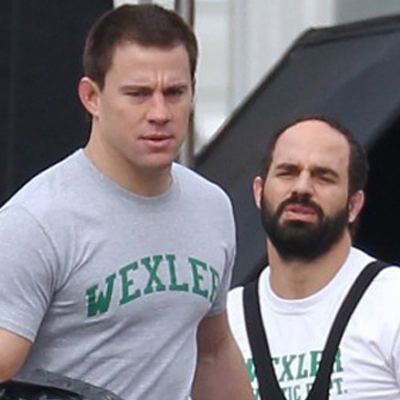
NEW DELHI: Acclaimed film Fox Catcher which won the best director award for Bennett Miller has been acquired for India by PVR Pictures, the distribution arm of the largest cinema exhibition company in India, at the Cannes Film Festival this year.
Director Bennett Miller, whose previous film Moneyball starring Brad Pitt was nominated for six Academy Awards, has based Fox Catcher on the real-life murder of Olympic wrestler Dave Schultz.

In addition to the Fox Catcher PVR Pictures acquired Alone in Berlin, Our Kind of Traitor, Equals, Untitled Lance Armstrong Biopic, Legend, Civilian, Inversion, American Express, Hologram for the King, London Fields and Visions among others.
PVR joint managing director Sanjeev Kumar said, “PVR believes in not only providing a world class standard of cinema watching experience to the audiences but it equally emphasises on quality content that is acknowledged globally for its viewers. Indian patrons are opening up to recognise global cinema with quality subject matter. This is a very good time for the industry and the Indian audience has a lot to look forward to in the coming months.”
PVR Pictures had earlier brought films like American Hustle, The Wolf of the Wall Street, 12 years a Slave, Her, Nebraska, Lone Survivor, Dallas Buyers Club to name a few; which were major nominations at the Oscars, being testament to, bringing to the new class of cine goers, content driven films.
PVR has a decade long association with international film festivals like Oscars and now it is becoming a leading exhibitor of French Riviera through Cannes.







Hollywood
Disney chair confident CEO Josh D’Amaro will ‘rise to the occasion’ in Trump–Kimmel row
Board backs new chief as ABC controversy tests leadership early on
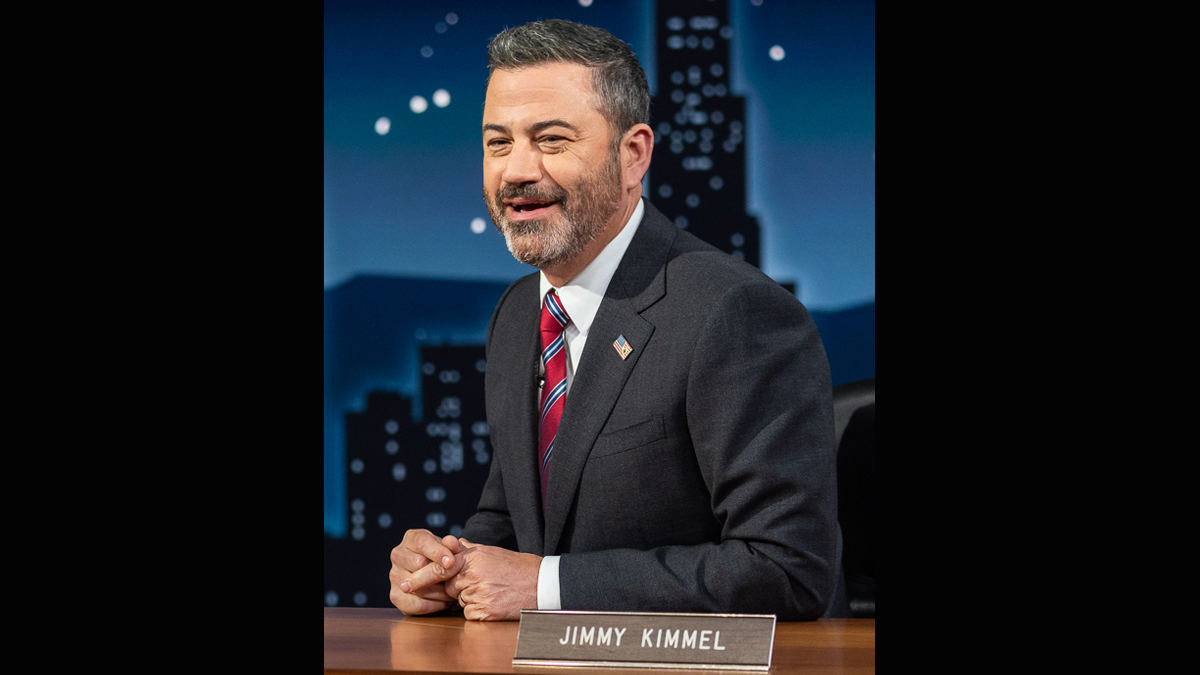
NEW YORK: The Walt Disney Company has placed the responsibility of handling the escalating dispute between Donald Trump and late-night host Jimmy Kimmel squarely on its new chief executive, Josh D’Amaro.
Speaking at a business conference in Oslo, Disney chair James Gorman said it would be up to the CEO and his team to determine the company’s response to the controversy surrounding Jimmy Kimmel Live!. He noted that such challenges are not uncommon for large corporations and require careful handling at the leadership level.
The row intensified after both Donald Trump and Melania Trump publicly called for Kimmel’s dismissal following remarks made on his show. The comments, which referenced the First Lady, sparked backlash in the days leading up to a security incident at the White House Correspondents’ Dinner.
Kimmel addressed the issue on-air, clarifying that his joke was intended as a reference to the couple’s age difference and not an incitement to violence. He also expressed sympathy for those affected by the incident and reiterated his stance against violent rhetoric.
Despite mounting pressure, Gorman refrained from offering specific guidance on the future of the show or the host. Instead, he voiced confidence in D’Amaro’s leadership, describing him as “world class” and capable of navigating the situation effectively.
The episode presents an early and high-profile test for D’Amaro, who stepped into the top role just last month. How Disney balances editorial independence, public sentiment and political pressure will likely shape not just the outcome of this controversy, but also the tone of its leadership in the months ahead.