MAM
Anil Dua bids adieu to Hero MotoCorp


MUMBAI: Hero MotoCorp has announced the resignation of senior vice-president for marketing and sales Anil Dua.
The company statement mentioned that Dua has decided to pursue an opportunity outside of the company and will continue in his current role till 24 June 2014. Dua has been with the company since 2006 and is credited with having helped the company evolve its brand after it parted ways with its 26-year-old joint venture partner Honda Motor Co. in December 2010.

Commenting on the development, Hero MotoCorp managing director and chief executive Pawan Munjal said, “He played an important role in doubling of sales volumes and increasing market share during the past eight years. I thank Anil for his contributions, and wish him all the very best in his future endeavour.”
According to a statement issued by the company, the national marketing and sales functions will continue to be headed by Sanjeev Shukla and A. Srinivasu respectively. On the other hand the national dealer development and after-sales service functions will remain with Ajay Dikshitand Rajesh Mukhija, respectively.






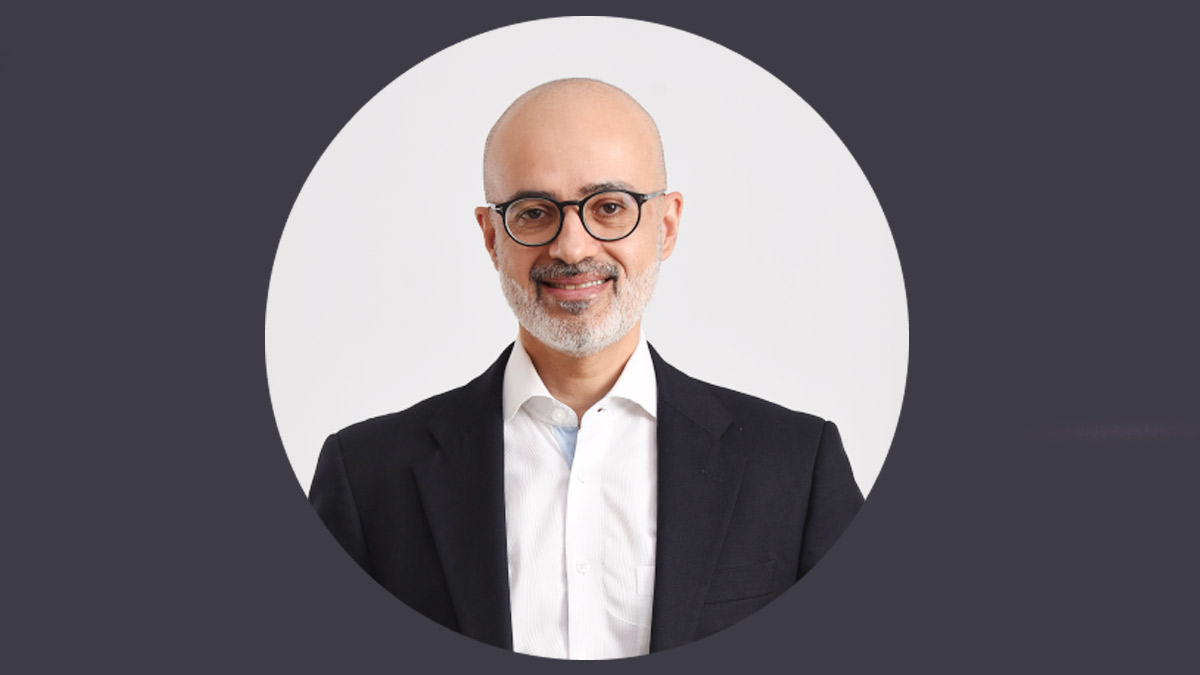
MUMBAI: In India’s fast-moving payments race, Visa has just swiped in a new leader. The company has named Suresh Sethi as its India country head, marking a key leadership shift as it sharpens its focus on digital payments growth in the market. Sethi steps into the role following his recent exit from Protean eGov Technologies, where he served as chief executive officer. He succeeds Sandeep Ghosh, who has moved on after more than four years at Visa to pursue an external opportunity.
The appointment comes at a time when Visa is doubling down on its expansion strategy across India and the wider region, deepening partnerships and accelerating adoption in an increasingly competitive digital payments ecosystem.
Sethi brings with him a broad, cross-market perspective shaped by decades of experience across corporate banking, retail financial services, mobile money and large-scale government technology initiatives. He began his career at Citigroup, where he spent 14 years working across India, Africa, South America and the United States, focusing on transaction banking services within the corporate bank.
His appointment signals a blend of institutional experience and market familiarity qualities that could prove critical as Visa navigates a landscape where fintech innovation, regulatory evolution and consumer adoption are all accelerating at once.
As digital payments in India continue to scale rapidly, the leadership change underscores a simple reality, in a market where every tap, scan and swipe counts, who leads the charge can matter just as much as the technology itself.







