iWorld
Kantar Media to commence TV audience engagement on Twitter in UK


NEW DELHI: Audience measurement specialist Kantar Media, which also has a stake in TAM in India, has unveiled Britain’s official Twitter metric for measuring Twitter TV audience engagement.
Developed with Twitter as part of a global partnership announced last year, the new Kantar Twitter TV Ratings tools will be available from mid-October.

The new tool, bringing together geo-filtered UK Twitter data with the audience research expertise of Kantar Media, enables broadcasters, media agencies and advertisers to track exactly how Twitter amplifies the power of television.
Kantar Twitter TV Ratings will include new metrics that have never been available before in the UK including:
• Unique authors (people Tweeting) and their affinity to brands, channels and programmes
• Unique audience – using data only available to Kantar Media, the firm is able to measure the number of individuals who viewed Tweets related to individual programmes/shows
• Impressions – the total number of times that a Tweet or Retweet has been seen about a particular programme
This is in addition to existing metrics including:
• number of Tweets and Retweets about a programme before, during and after transmission;
• average Tweets per minute and the highest volume of Tweets per minute ascribed to the programme in question
According to Kantar Media global CEO and chairman Andy Brown, the launch of the first official Twitter TV metrics in the UK gives the broadcast industry official insight for social TV engagement to complement the BARB gold-standard TV measurement currency. “Using the Kantar Twitter TV Ratings, broadcasters, planners and advertisers will be able to assess programmes and series, plan programme promotions more effectively and assist media buyers and sellers to integrate social data more comprehensively into the TV component of their media mix,” he advised.
In addition to these new metrics, Kantar Media has also developed an intuitive dashboard, Instar Social, that broadcasters, media agencies and advertisers can use to view and analyse data alongside their existing TV analysis tools. Instar Social will include a live, real-time leaderboard, providing a snapshot of the top Tweeted programmes as they happen, with the ability to drill down and view actual content of the Tweets in real-time.
Further enhancements scheduled for release include trending topics that are driven by a programme, integration of BARB gold-standard ratings data into the dashboard enabling data overlays, as well as API data feeds.




iWorld
Govt pushes live events sector to Rs 196 billion by 2028
LEDC roadmap targets 15–20 million jobs and global hub status by 2030
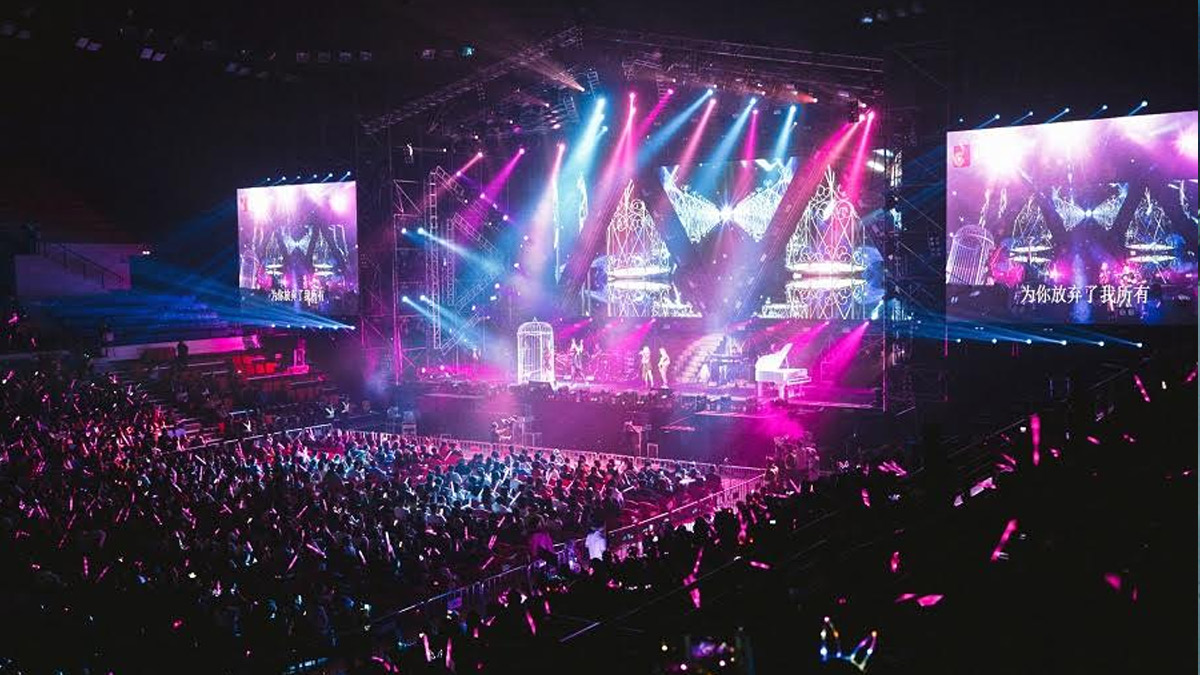
MUMBAI: India’s live events story is getting louder and this time, it’s policy turning up the volume. The fourth meeting of the Live Events Development Cell (LEDC), chaired by Chanchal Kumar, was held on 30 April 2026 at Vigyan Bhavan, bringing together representatives from nine Central Ministries, six States and 12 industry stakeholders to chart the sector’s next phase of growth. The numbers already tell a compelling story. India’s organised live events industry was valued at Rs 145 billion in 2025 and is projected to grow at 10 per cent to Rs 196 billion by 2028 making it one of the fastest-expanding segments within the media and entertainment ecosystem.
Set up in July 2025 by the Ministry of Information and Broadcasting, the LEDC is tasked with turning that momentum into a structured growth engine. Its long-term ambition is ambitious, position India as a global live events hub by 2030 while generating an additional 15–20 million jobs.
At the meeting, officials emphasised the sector’s multiplier effect spanning tourism, employment and allied industries while underlining the need for coordinated execution. A key update was the rollout of a single-window clearance system for live event permissions via the India Cine Hub portal, aimed at simplifying approvals and improving transparency.
States have been urged to adopt the system, alongside implementing the “Model Executive Order for Streamlining Licensing and Permissions for Live Events in India, 2026” by 31 May 2026. The framework seeks to standardise what has long been a fragmented and time-consuming regulatory process.
Beyond permissions, the discussion also turned to infrastructure and talent. A draft concept for greenfield venue development was tabled, alongside plans to build a skilled workforce. The Indian Institute of Mass Communication, in collaboration with industry bodies MESC and EEMA, is set to introduce certificate courses tailored to the live events sector.
Chanchal Kumar stressed that alignment across stakeholders is already in place, with the next challenge being execution at scale. The government, he noted, remains committed to creating a facilitative and transparent ecosystem for organisers.
For an industry once seen as fragmented and event-driven, the message is clear, India’s live events business is no longer just about the show, it’s about building an entire stage for growth.