MAM
Cinema advertising to grow at 20%: Interactive Television’s Ajay Mehta

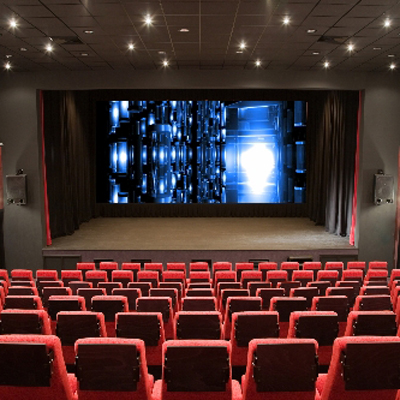
MUMBAI: Movie buffs prefer visiting a cinema for the almost minimal number of advertisements that play during the movie run. Advertisers are still somewhat hesitant of opting for these ads since there is a lack of measurement of these ads. Contrary though according to Group M’s biannual advertising expenditure futures report titled ‘This Year Next Year’ (TYNY) cinema advertising closed 2014 with a 25 per cent increase.
When asked at what rate he expects cinema advertising to grow for this year, Interactive Television CEO Ajay Mehta says that it will grow at 20 per cent.
Interactive Television specializes in cinema advertising and releases the CAM report. According to Mehta, for the last two – three years cinema has been the second fastest growing medium after the digital. “While digital is on a different growth trajectory, the basic level of cinema in the country is low,” says Mehta.
“Even though we are a cinema savvy country, the total cinema spends is less than one per cent, which is even lower than the global average. When you look at global averages there are countries where cinema is hardly part of the consumer’s habit,” he adds.
There are a few reasons why the segment is seeing a growth. Firstly it is because of the low base number, which is increasing today. Secondly, over the last two to three years there has been the phenomenon of “multiplexisation” of the industry, which is getting reflected because of a whole round of consolidation that will continue in 2015. “As players like PVR, INOX, Cinepolis and Carnival get bigger and stronger, the whole consolidation will further aid growth.”
The growth can also be attributed to the digitisation process of single screen theaters wherein films are being delivered directly via satellite to theaters as compared to the costlier traditional prints, which has reduced costs and is creating transparency as practically the entire single screen universe (barring an odd 500) is digitised.

According to industry estimates, a 60 second ad in a multiplex for one week (which is minimum of 21 shows and can go up to 28) in the top metros would cost Rs 10,000 to Rs 12,000, while the cost for single screens would between Rs 1,500 to 2,000 for the same period. The cost in areas such as South Mumbai and South Delhi multiplexes is much higher than the average figures for multiplexes.
As per a report by Interactive Television brands such as Choc On, HDFC Life, Vicco Vajradanti, Engage, Vicco Sugarfree, Woodland, TVS Apache, Vicco Shaving Cream, LIC and Bhima Jewellers have been consistently advertising on cinema. The report takes into account their presence on cinema for the period August 2013 to January 2015. Choc On as a brand is totally built on cinema as majority of their spends are on this medium.
The selection process of including cinema advertising spends depends on the brand’s target audience and cinema space in their priority markets. While a regional brand could select a single screen cinema, for brands with larger pockets it could be an “and” option wherein both multiplexes and single screens are combined.
Telecom is one category that has started advertising recently on cinema on both single screens and multiplexes as it seek to penetrate its brand campaign in Tier III and rural markets, like the FMCG category. “In 2014 we saw e-commerce brands like Flipkart and Amazon including specific travel verticals like travel websites increase their spends, which will continue,” opines Mehta.
2014 also for the first time saw luxury brands taking to multiplexes, especially car brands such as Mercedes, Jaguar and Audi. “In 2015, when the economy promises to be better, there are a lot of launches lined up and auto is going to be one interesting category for multiplexes,” says Mehta.