Connect with us

iWorld

Video streaming fastest growing service on mobile data in India: Ericsson

Published

on

MUMBAI: Video streaming accounts for the fastest growing service on mobile data, followed by social networking.


According to a report titled ‘The Changing Mobile Broadband Landscape’ released by Ericsson ConsumerLab, 70 per cent of mobile broadband smartphone users regularly stream videos on their smartphones, and 61 per cent use social networking. Indian smartphone users are also seeing greater potential in mobile broadband when it comes to facilitating the way they handle their money and personal finances. The convenience and improved experience makes m-commerce services attractive to Indian smartphone users.

Advertisement


Of those users not using e-commerce services currently, 58 per cent stated that they would begin to do so in the next six months, while 52 per cent will use the Internet to pay bill online. Services like location navigation while travelling and cloud storage are also seeing an upswing in usage.


Advertisement

The report highlights the evolving mobile broadband adoption and usage in urban India. The report reveals diverse behavior and needs of different mobile broadband users and the need for service providers to offer personalization. Users’ needs are evolving as usage of services and applications on smartphones is becoming a way of life.


With the decrease in smartphone prices, the adoption of mobile internet within the lower socio-economic segment has increased over the last two years: from 38 per cent in 2013 to 45 per cent in 2015. Three in five smartphone users use mobile broadband in urban India. Mid-size and small cities are showing higher smartphone penetration levels at 33 per cent, as opposed to the smartphone penetration levels of 27 per cent in big non metros and large cities.

Advertisement


At the same time, the proportion of smartphone users above the age of 50 has quadrupled, from one per cent in 2013 to four per cent in 2015. The primary motivation for this increase is the desire to be connected with loved ones in different parts of the country and the world, particularly through emails, chat applications and instant messaging.


Advertisement

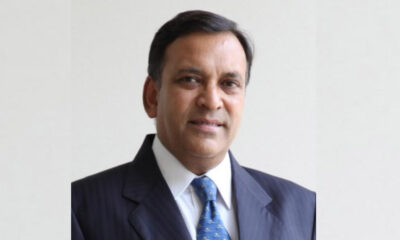
Ericsson India vice president and head of strategy and marketing Ajay Gupta says, “The Internet is finally coming of age and is empowering cross sections of Indian society. Though the most used smartphone services in India are for social networking and instant messaging, the usage of banking, e-commerce, navigation and cloud storage apps and services is increasing. It is for this reason we are seeing uptake and digital transformation of many industries like retail, transportation, and banking.”


Users face differing mobile data issues depending upon location. Connection quality and reliability problems have a higher tendency to occur indoors, while session failures and poor app accessibility are problems faced by outdoor smartphone users. Sixty-three per cent of users report that they face quality and reliability issues, such as lost connections and inconsistent network speeds, when using mobile networks indoors. App-related issues while outdoors or commuting, such lengthy lag times, apps taking a long time to refresh, maps failing to load, and session failures affect 68 per cent of consumers. Such problems are more common in mid-size and small towns compared to large cities.

Advertisement


For those consumers in India who do not use mobile broadband, affordability and digital literacy are the prime obstacles to adoption. While 88 per cent of Indian consumers on 2G feel that mobile broadband is too expensive, 53 per cent feel that mobile broadband adds no value and as many as 48 per cent believe there is no difference between 2G and 3G speeds.


Advertisement

Mobile Internet usage is expected to grow with the consumers’ better understanding of the data plans on offer. As per the study, only 10 per cent of mobile Internet users feel they understand their plan perfectly, and are able to make an accurate judgment when deciding on a plan.


Gupta says, “When consumers are confident in their understanding of what is offered, they tend to perceive better value from it. In fact, they consume twice as much data compared to users who find it difficult to understand their plan.”

Advertisement


“Understanding the main aspects that are valued by customers can help service providers differentiate their offerings and improve consumer experience which would help increase consumer loyalty. Personalization is being positively viewed and increasingly demanded by consumers,” he adds.


Advertisement
Click to comment

Leave a Reply

Your email address will not be published. Required fields are marked *

iWorld

Diljit Dosanjh’s Dil-Luminati tour generates Rs 943 crore impact

EY report says 14 concerts across 13 cities sparked jobs, tourism and spending

Published

on

MUMBAI: What began as a music tour quickly turned into an economic crescendo. The India leg of Diljit Dosanjh’s Dil-Luminati tour has generated a measurable economic impact of nearly Rs 943 crore, according to a socio-economic impact report prepared by EY.

Spread across two months in late 2024, the tour travelled through 13 cities with 14 performances, drawing more than 3.2 lakh fans and selling out shows in roughly 10 minutes on average.

The concerts began in New Delhi on October 26 and wrapped up with a New Year’s Eve finale in Ludhiana, the singer’s hometown. In between, the Punjabi superstar turned stages across cities such as Mumbai, Bengaluru, Hyderabad, Kolkata and Guwahati into high-energy gatherings where music, fandom and travel blended into a nationwide spectacle.

Advertisement

According to the EY analysis, the tour generated Rs 276 crore in direct revenue for organisers through ticket sales, sponsorships and food and beverage spending at venues. Indirect spending by fans pushed the economic ripple effect even further, contributing an estimated Rs 553 crore through travel, accommodation, tourism and shopping.

Government revenues added another Rs 114 crore, including Rs 111 crore in GST and around Rs 2.5 crore in local permissions and fees.

Ticket sales were the main driver, accounting for about 80 per cent of direct revenue, with prices ranging from Rs 2,499 for silver tickets to as much as Rs 60,000 for premium lounge access. The gold category emerged as the most popular, generating more than half of the ticketing revenue.

Advertisement

The concerts were not just local gatherings. Nearly 38 per cent of attendees travelled from other cities to catch the shows, turning the tour into a travel magnet. Many extended their trips by two to three days, boosting hotel stays, dining and tourism activities in host cities.

Air and rail travel together accounted for around 70 per cent of inter-city travel costs linked to the concerts, while nearly half of travelling fans stayed with friends or family.

Cities hosting the tour also saw noticeable spikes in travel bookings. Flight bookings to Chandigarh, for instance, rose by about 300 per cent year on year around the concert dates, while cities such as Delhi, Ahmedabad and Indore saw booking growth of roughly 100 per cent.

Advertisement

Beyond the stage lights and thumping speakers, the tour also created a significant employment surge. The report estimates that more than 118,000 man-days of work were generated, including about 69,000 direct man-days and over 48,000 indirect man-days across sectors such as security, logistics, hospitality and technical production.

Security, safety and crowd management alone accounted for roughly half of the direct employment created during the concerts, reflecting the scale of operations required to stage such large events.

More than 15 brands partnered with the tour, turning concerts into a playground for creative marketing. From themed merchandise drops to experiential campaigns and exclusive ticket access deals, companies tapped into the singer’s massive fan base to amplify their reach.

Advertisement

The official ticketing platform recorded over 62.5 lakh visitors during the sales window and processed more than 1.2 lakh ticket orders, underscoring the intense demand for live events anchored by home-grown artists.

The tour also doubled as a cultural roadshow. At each stop, Dosanjh embraced local traditions, sampled regional cuisine and showcased India’s diversity through his social media posts and stage interactions, turning concert stops into mini travel diaries.

For the wider entertainment industry, the Dil-Luminati tour is being seen as a marker of how large-scale live concerts can drive economic activity well beyond the stage. The report suggests that India’s live music sector could grow rapidly in the coming years as demand for large events continues to surge.

Advertisement

In other words, the Dil-Luminati tour did more than fill stadiums. It moved crowds, boosted city economies and showed that when live music hits the right note, the ripple travels far beyond the final encore.

Continue Reading

Advertisement News18
Advertisement All three Media
Advertisement Whtasapp
Advertisement Year Enders

Copyright © 2026 Indian Television Dot Com PVT LTD

This will close in 10 seconds

×