MAM
Eureka Forbes appoints Vikas Jayna as CTO


Mumbai: Eureka Forbes Ltd has announced the appointment of Vikas Jayna as its chief technology officer. With a wealth of experience, Vikas’ appointment fortifies Eureka Forbes’ commitment to technological innovation, shaping the company’s trajectory towards a dynamic future.
Prior to joining Eureka Forbes, Vikas’s professional journey encompasses impactful roles at renowned companies such as Swiggy, OneAssist, Amazon, and InfoEdge India Ltd.
Vikas Jayna holds an engineering degree in Computer Science and has further honed his skills through an Executive Course in Business Analytics from ISB. Beyond his professional pursuits, Vikas finds solace in traveling, reading books, and cherishing moments with his family, including his parents, wife, and ten-year-old son.

Expressing his enthusiasm about the new role, Vikas Jayna remarked, “Joining Eureka Forbes as chief technology officer presents an exciting opportunity to leverage technology for enhancing the lives of millions. I look forward to collaborating with the talented team at Eureka Forbes to drive innovation and customer-centric solutions.”
Eureka Forbes Ltd MD and CEO Pratik Pota commented, “We are thrilled to welcome Vikas Jayna to our Core Leadership Team. His extensive experience and proven track record in technology leadership align perfectly with our vision for innovation and growth. We are confident that under his guidance, Eureka Forbes will continue to set new benchmarks in the industry.”




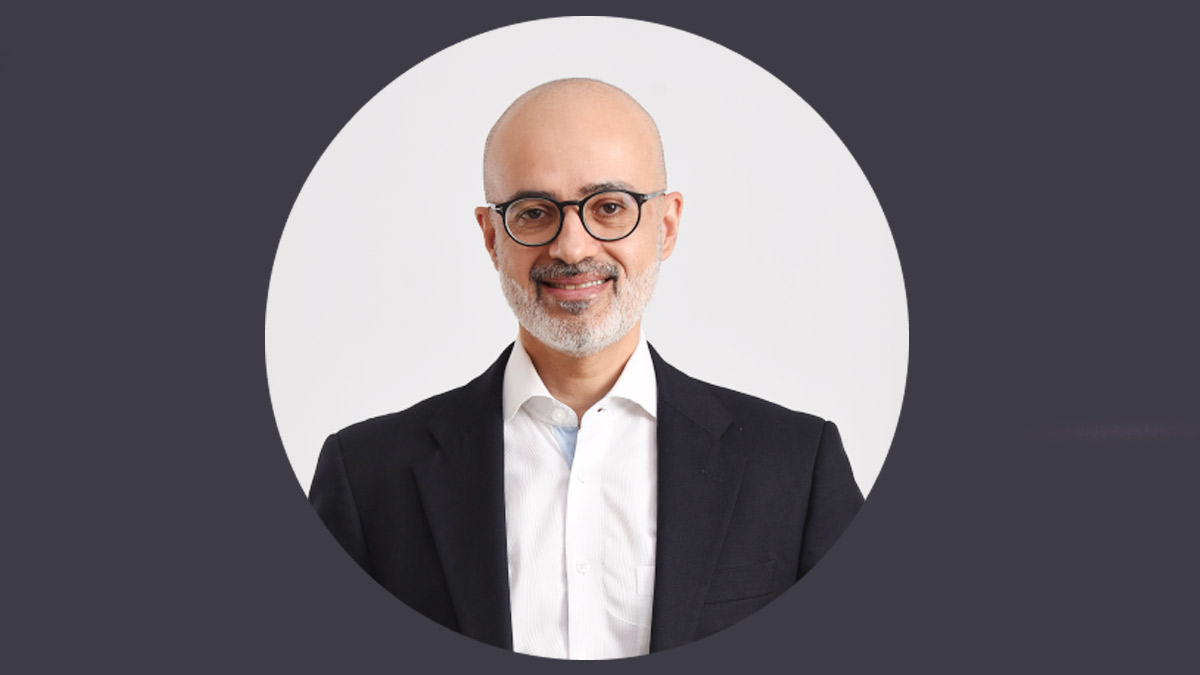
MUMBAI: In India’s fast-moving payments race, Visa has just swiped in a new leader. The company has named Suresh Sethi as its India country head, marking a key leadership shift as it sharpens its focus on digital payments growth in the market. Sethi steps into the role following his recent exit from Protean eGov Technologies, where he served as chief executive officer. He succeeds Sandeep Ghosh, who has moved on after more than four years at Visa to pursue an external opportunity.
The appointment comes at a time when Visa is doubling down on its expansion strategy across India and the wider region, deepening partnerships and accelerating adoption in an increasingly competitive digital payments ecosystem.
Sethi brings with him a broad, cross-market perspective shaped by decades of experience across corporate banking, retail financial services, mobile money and large-scale government technology initiatives. He began his career at Citigroup, where he spent 14 years working across India, Africa, South America and the United States, focusing on transaction banking services within the corporate bank.
His appointment signals a blend of institutional experience and market familiarity qualities that could prove critical as Visa navigates a landscape where fintech innovation, regulatory evolution and consumer adoption are all accelerating at once.
As digital payments in India continue to scale rapidly, the leadership change underscores a simple reality, in a market where every tap, scan and swipe counts, who leads the charge can matter just as much as the technology itself.







