Brands
Planet over plastic: Brands leading the sustainability charge

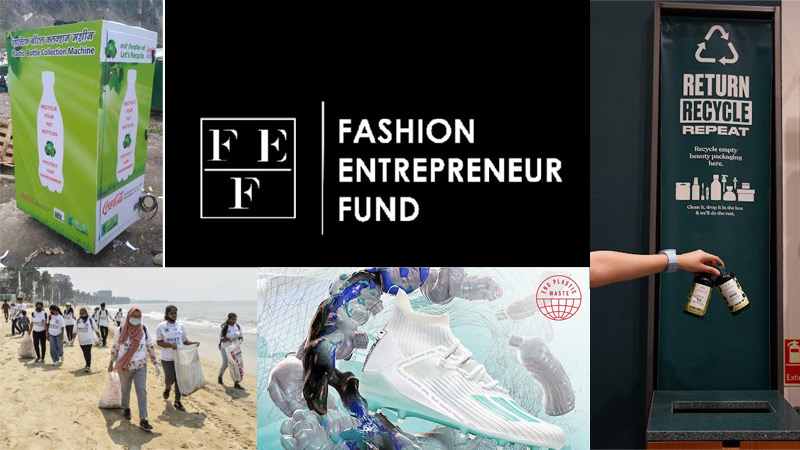
Mumbai: Plastic pollution poses a grave threat to our planet, affecting not only our environment but also the well-being of wildlife and human populations. Each year, approximately 10 million tonnes of litter, with 80 per cent of it being plastic, finds its way into our oceans and seas. These plastic products take hundreds of years to decompose, perpetuating their harmful impact. Single-use plastics, such as carrier bags, beverage bottles, coffee cups, and packaging, significantly contribute to this crisis. They are cheap, convenient, and disposable, but their environmental cost is staggering. Fortunately, campaigns around the world have raised awareness about plastic pollution and, in some cases, spurred action. However, the challenge lies in translating this awareness and concern into meaningful behavior change. To address this, we must learn from successful campaigns and adopt effective strategies to shift consumer behavior toward more sustainable choices. Whether initiated by manufacturers, foundations, non-profits, local governments, or international bodies, these campaigns focus on reducing single-use plastics and packaging. By understanding what works and avoiding common pitfalls, we can collectively combat plastic pollution and protect our planet for future generations.
Here’s a list of some of the impactful initiatives by different brands to tackle plastic pollution.
1. Coca-Cola India: “World Without Waste”
Coca-Cola India launched the “World Without Waste” initiative to collect and recycle the equivalent of 100% of its packaging by 2030. They focus on increasing the use of recycled materials in their packaging and promoting responsible disposal of plastic waste.
Recently, Coca Cola India has introduced bottles made entirely from 100 per cent recycled polyethylene terephthalate (rPET), a first for the Indian beverage industry.
https://www.coca-cola.com/gb/en/sustainability/this-is-happening/sprite
2. The Body Shop’s CFT partnership with Plastics for Change
With The Body Shop’s partnership with Plastics for Change, they are sourcing recycled plastic from marginalized waste pickers in India, providing fair wages and better working conditions. TBS sourced over 400 tons of recycled plastic for product packaging in 2021 (doubling this from over 200tons in 2020). They are further scaling up plastic recycling through their Activist Workshop store through the ‘RRR’ concept and the design where even the store fixtures are made from recycled and sustainable materials.
https://www.thebodyshop.com/en-gb/packaging/community-trade-recycled-plastic/e00010
3. ITC Ltd:
ITC’s flagship WOW programme is a public-private partnership with municipalities and communities that is turning once unsanitary waste threatened neighbourhoods into clean and healthy environments. A unique source segregation and collection pathway, WOW works towards a circular economy, one which re-consumes its waste.
WOW’s recycling system
. Waste Segregation by Households
. Preliminary Category-wise Segregation by Waste Collection Workers
. Sorting at Dry Resource Collection Centres (DRCCs)
. Super Franchisees – Large-scale Waste Aggregators
https://www.itcportal.com/sustainability/itcs-circular-economy-initiatives.aspx
4. Xynteo’s Waste No More programme
In collaboration with the partners, Xynteo’s Vikaasa developed the Waste No More programme. By building Islands of Excellence at the ward level, Waste No More demonstrates working models on plastic waste circularity. Each Island of Excellence focuses on:
. Strengthening waste management infrastructure
. Integrating the informal sector
. Educating and empowering communities, including children
. Strengthening the ecosystem by informing policy
The programme’s first pilot kicked off in Mumbai in March 2020. D Ward, a municipal ward in the heart of Mumbai where a material recovery facility has been set up to collect and sort the incoming dry waste, connections have been established with the informal sector to create one unified supply chain and awareness campaign on responsible waste management has been launched to empower and integrate the communities.
5. Adidas Primegreen and Primeblue sustainable technology
Adidas has developed fabric technologies called Primeblue and Primegreen, which use recycled materials, including plastic waste collected from beaches and coastal areas. These materials are used in their sportswear and footwear collections, promoting sustainability in their products.
This recycled high-performance material, made in part with Parley Ocean Plastic, is just part of their commitment to continue to innovate in the area of sustainability until they reach their goal of being completely off of virgin polyester by 2024.
https://report.adidas-group.com/2020/en/at-a-glance/2020-stories/our-sustainability-initiatives.html