MAM
The Jungle Book: ROI-centric marketing or a missed opportunity for brands?

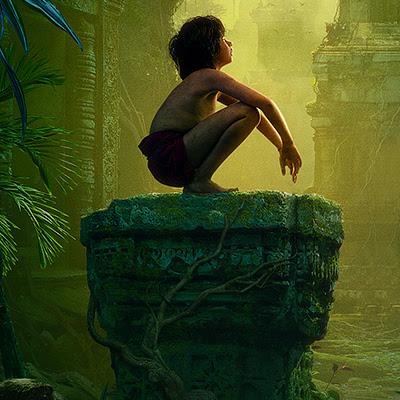
MUMBAI: Goofy Baloo, protective Bagheera, daredevil Mowgli and majestic Sher Khan – these characters’ from ‘The Jungle Book’ need no introduction, especially in the land of the story’s conception, India. From kids who have grown up listening to Mowgli’s adventure tales, to parents whose inner child takes a somersault whenever they hear ‘Jungle Jungle’ at the distance – The Jungle Book story garners a huge emotional connect with the people.
That is why when Disney announced a movie in 2016 to relive Rudyard Kipling’s celebrated children’s tale in live action, its studio in India was faced with both an opportunity and a challenge — to tap into its vast resonance within the country, while staying true to the essence of the story.
And the answer lay not in reaching into deep pockets for marketing spends, but in completely redesigning the movie’s treatment in India. Releasing The Jungle Book in India on April 8, a week before the film’s US release was a start.
Double treat:
At its core, the campaign for the movie was tailored such that fans of The Jungle Book would go watch the movie twice – and thus it needed to treat the Hindi release as a separate entity altogether, and not a version. “Jungle Book isn’t just another Hollywood film with a Hindi launch in India,” Disney India studios VP Amrita Pandey shares, “Indians own the story and the nostalgia surrounding the characters. It is very important how we treat the film’s release here. Our prime objective is to play on the nostalgia for The Jungle Book as well as get the newer generation excited about it.”
Explaining the studio’s strategy for marketing in traditional media, Pandey adds, “Unlike most international movies, a lot of our print ads, even in English newspapers have the Hindi voice cast advertised. This will be part of our last week push before the release.” The cross mentioning isn’t limited to print, but television advertisement as well. Having said that, Pandey acknowledges that the marketing budget for The Jungle Book in India was less than “our budget for an average Hindi release.”
A star studded affair:
And the key to this was getting the Hindi script for the film right. “To ensure this, we roped in renowned dialogue writer Mayur Puri to script Hindi dialogues for the dubbed version of The Jungle Book. Once we had that in order, the challenge was to cast the right voice actors for the lead characters. We wanted actors and not just celebrities so we approached Priyanka Chopra as Kaa and Irrfan as Baloo, Om Puri as Bagheera, Shefali Shah as Raksha.”
Reprising Nana Patekar in his role as the voice of Shere Khan was a casting success. Patekar had dubbed for the ferocious Bengal tiger for Doordarshan’s animated Jungle Book series back in the 90s. To further breathe life into the campaign in India, Disney India also flew Mowgli aka Neel Sethi to Mumbai to interact with his fans there – a rarity for an international release. The child actor’s Twitter interaction with Priyanka Chopra and other voice actors of the movie further drew in digital eyeballs.
Down memory lane:
Banking on its strength in digital reach, the studio added the cherry on the top the new rendering of the very popular ‘Jungle Jungle’ song. “It wasn’t an easy decision. The old song was more innocent, while the movie, targeted at both kids and adults touches a wider range of emotions. We turned to the original masterminds — lyricist Gulzar and composer Vishal Bhardwaj – to revive the childhood anthem of every 90’s kid, Jungle jungle baat chali hai… for Disney’s The Jungle Book,” Pandey informs.
As soon as the song was launched, it crossed over 2 million views (20 lakh) in less than a week. Not stopping at that, talented musician Vishal Dadlani has also been roped in to sing Bare Necessities. After Disney India put out a strong content for the Hindi speaking market, an equally strong campaigning is being carried out for Tamil and Malayali markets, though no celebrity actors have been roped in for the voice acting.
Tie ups:
Given the reach and the strong brand value of The Jungle Book property, brand integrations and out of movie associations were inevitable, even though the studio’s main marketing focus was not brand integration but content promotion. Until now, Disney India has officially tied up with eight major brands. The particulars of these out of movie associations range between media deals to merchandising rights; which, as per industry experts, would be worth Rs 1.25 crore each.
In the FMCG sector, Fruit Shoot has come on board as licensing and co-branded promotion partner. The brand would be giving out Jungle Book merchandizing and has also has made The Jungle Book neck tags. The association is being promoted on TV and the digital medium. Complan as a co-branded promotion partner is also giving out The Jungle Book merchandise and its campaigns would be promoted on TV and digital platforms and also at modern trade retail outlets.
In the financial sector, ICICI Bank has launched The Jungle Book range for ICICI bank Debit Card holders. Among eCommerce players, Myntra is launching a kids’ special range which includes T-shirts and flip-flops inspired by The Jungle Book. The film has also tied up with Bookmyshow, Uber (cab service app) and Grofers (Grocery delivery app) where The Jungle Book will be promoted on their app in the release week. The combined reach of these platforms is more than 3 million (30 lakh). Apart from these, Shoppers Stop, Max, Penguin Random House and SKI are other brands that have tied up with the studio to cross promote their products riding on The Jungle Book wave.
While the list looks promising enough, several media planners and industry observers feel The Jungle Book is an opportunity missed for brands. “Indian brands mostly opt for ‘out of movie’ associations with Hollywood movies. The number of brands associated with this movie are fairly good for a Hollywood movie in India,” opines Fountainhead MKTG vice president Sidharth Ghosh.
Having said that, Ghosh can’t deny the high resonance that brand Jungle Book enjoys in the market. “The Jungle book and its symbolic anthem have a huge following with the Indian audiences. We all have grown up watching it and can easily relate to it. With a movie of this stature, there’s scope for more extensive and innovative brand integrations with amplification, not only through traditional media, but on-ground as well.”
Where Disney India’s marketing for The Jungle Book currently stands, one can assume that it is banking high on the IP’s vast organic reach to take the buzz for the launch forward. Thus its keen investment to solidify the Hindi and other regional content for the movie, instead of going all guns blazing on media campaigns, makes sense. Whether this strategy will bear fruit and give The Jungle Book its due audience on 8 April, only next week’s box office figures will tell.