iWorld
Facebook updates architecture for India’s next billion coming online

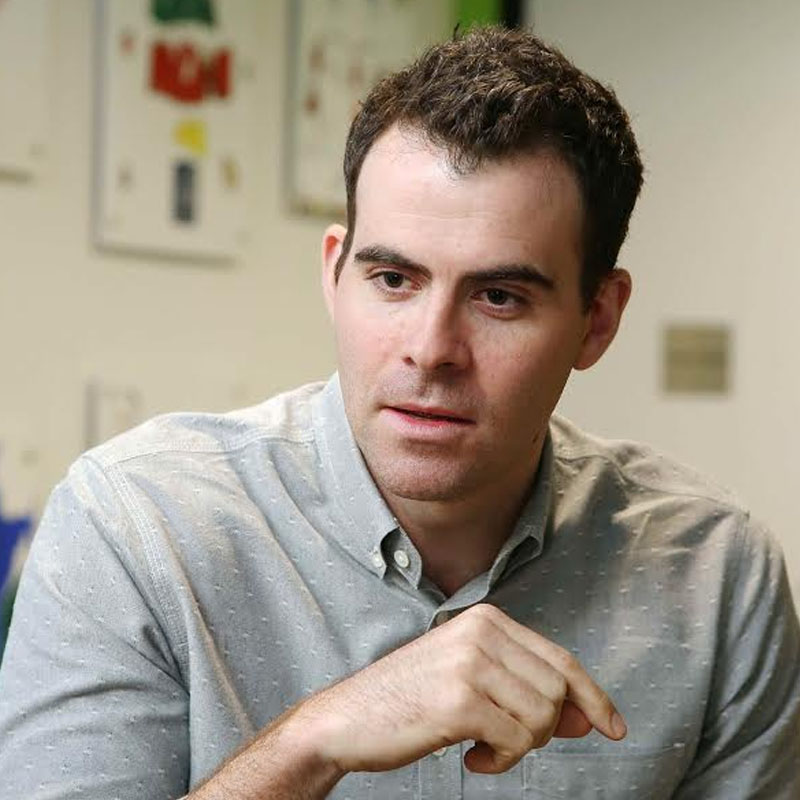
GURGAON: “We (Facebook) are now launching a new architecture so you can see less grey boxes, and more relevant stories quickly, regardless of your network connection. This new architecture of News Feed allows stories to be ranked on the client after being sent from the server. We avoid spinners and grey boxes by
1) requiring stories to have all necessary media available before rendering them in News Feed and
2) being able to optimize the stories in News Feed for each session, so you can see the most relevant stories even if you’re on slow internet connections,” Facebook VP product development Adam Mosseri said at “News Feed and Partnerships- News, Sports & Entertainment Press Roundtable” on 20 October in Gurgaon.
“We deeply care about India as we focus on building for the next billion people coming online,” Mosseri said. “We are committed to learning about how people everywhere use our product, and making sure Facebook works for them. Connecting the next billion people on Facebook means understanding these differences and building better experiences to work on all connections, devices, and regions,” he added. Over the past many months, we’ve continued to focus on efforts to improve News Feed for everyone regardless of device or network connection, Mosseri said.
Quick stats for India
·In India there are 155 million MAU, 77 million DAU, 147 million Mobile MAU and 73 million Mobile DAU (as of Q2 2016)
·Facebook is available in 12 Indian languages (22 official languages in India, and many more dialects)
·As of the end of Q2 2016, daily actives on Facebook in India had grown 22% year over year, compared to a *17% increase in daily actives on Facebook worldwide.
·Not including Likes, more than 50% of the reactions used in India are Love, and more than 30% of Reactions *used in India are Haha
Facebook Media explores how public figures and media organizations are using Facebook in extraordinary ways
With 1.7 billion people globally and more than 150 million people in India using Facebook monthly, Facebook provides an essential audience platform for content creators and we are building fast and immersive media experiences to deliver the right content to the right people at the right time. People around the world are using Facebook to connect with news publishers, video creators, celebrities and sports.
The rapid shift to mobile is fundamentally changing the way creators and publishers can reach and engage their audiences and Facebook is innovating on the types of content that publishers can use to tell stories. Across the globe, people are using mobile devices and adopting visual language to communicate. Social TV experience is a new trend given the new age digital audience who consume content on social media platforms. Facebook plays host to a global TV conversation in part because fans enjoy discussing shows with the people who matter most to them. Facebook has also become one of the best places for TV networks and show creators to connect with and build a community of fans.
Networks and studios are now heavily relying on digital marketing pegged heavily on innovative/ engaging content. Globally 100 million hours of video are now watched daily on Facebook. Tools like Facebook Live and Mentions help celebrities express themselves authentically. Celebrities and entertainment publishers are using Facebook in creative ways, creating immersive experiences that draw people in and give them a deeper artistic experience. For example, through Facebook Live, everyone has a production studio with a built-in global audience in their pockets at all times. Similarly, Instant Articles, 360 video and autoplay video are new native surfaces that we are seeing creators and publishers embrace to build their audiences and businesses.
Facebook always wants to learn from its partners, and is committed to building products and business models hand-in-hand that deliver value to people and publishers on Facebook.
– 670 million people are connected to a News Publisher page on Facebook.
– A recent Pew Survey said that more than 40% of American adults find news on Facebook.
– The American Press Institute found that over 88% of millennials get news from Facebook, more than any other social network.
– Facebook is now a widely-read source for news about government andpolitics. According to a recent Pew study, Facebook is the second most popular source where people online get their political news (48%), secondonly to local news outlets (49%).
Entertainment
– 1 billion people are connected to a public figure on Facebook.
– 17 of the top 20 public figures (8 of the top 10) on Facebook are entertainers.
– Today, thousands of public figures across verticals — sports,entertainment, news/media and more — use Facebook to easily connect with their fans and each other.
– With the largest and most diverse community of entertainment fans in the world, Facebook is the best place for the entertainment industry to personalize and scale their campaigns to reach a global audience — from promoting a new movie or show, to releasing a music video or making an awards season push.
Sports
– Facebook brings together the world’s largest community of sports fans.
– 650 million people around the world are connected to at least one sports Page (league, team, athlete, sports media) on Facebook.
– Facebook is where the largest real-time social media audience comes together to talk about sports’ biggest moments.
– 277 million people had 1.5 billion interactions on Facebook about the Rio 2016 Summer Olympic Games.
– The most-discussed moment in the history of Facebook was a sporting event. FIFA World Cup.
– 350 million people joined the conversation on Facebook, generating 3 billion interactions (posts, comments and likes) related to the
tournament.
– Facebook is also the largest cricket stadium and year after year , wehave found that more and more people are logging on to Facebook to keep abreast of key cricket events
– This year there was exponential increase in match related content that was created exclusively for Facebook
– During IPL 2016, over 30 million people generated 360 million acebook conversations
– 46 million people interacted on Facebook during this year’s ICC World Twenty 20 2016
– During Cricket World Cup 2015, 36 million people have generated 341 million interactions between January 1 and February 28
– On Facebook, fans discover rich and immersive video that brings them closer to the sports, athletes and teams they love.
– Innovations such as Facebook Live and Facebook 360 video give fans unprecedented access to the action, taking them on the field and in the locker room, and inviting them to interact directly with their favorite players.
– Before his final race at the 2016 Rio Olympics, Michael Phelps used Facebook Live to answer questions from fans and confirm his retirement from competitive swimming. With nearly 4 million views, it was the most-viewed live broadcast by an athlete during the games.
– Facebook helps athletes, teams, leagues and media connect with a global audience of sports fans and achieve their business goals.
– By leveraging Facebook Live and Facebook 360 video, partners can deliver complementary programming for the second screen and expand their reach.
– Facebook helps partners achieve their business goals by growing and engaging their fan base; supporting current revenue drivers such as tune-in, subscriptions, sponsorship and ticket and merchandise sales; and providing new revenue streams such as branded content, Instan Articles and ad breaks in live video.
News
– For journalists and publishers, Facebook is a valuable place to engage with their readers.
– We’re building fast and immersive media experiences to make news discovery better for people and publishers — from Instant Articles to Live and 360 video.
– Facebook is a technology company.
– We know that people are coming to Facebook to get their news and we take our role in the media ecosystem seriously.
– We’re working closely with our media partners and listening to their feedback to help them monetize their content and build their businesses.
– We have to make this work for publishers so we can deliver value to bthem and to everyone on Facebook.
– Facebook is an open platform for all ideas.
– We’re not in the business of picking which issues the world should read about. We are in the business of connecting people and ideas.The goal of News Feed is to show people the stories that are most relevant to them.
– We’re committed to being transparent with publishers about the changes we make to News Feed — providing explanations of any ranking changes and sharing more about how we work.