MAM
Jack in the Box Worldwide appoints Kaizad Pardiwalla as president


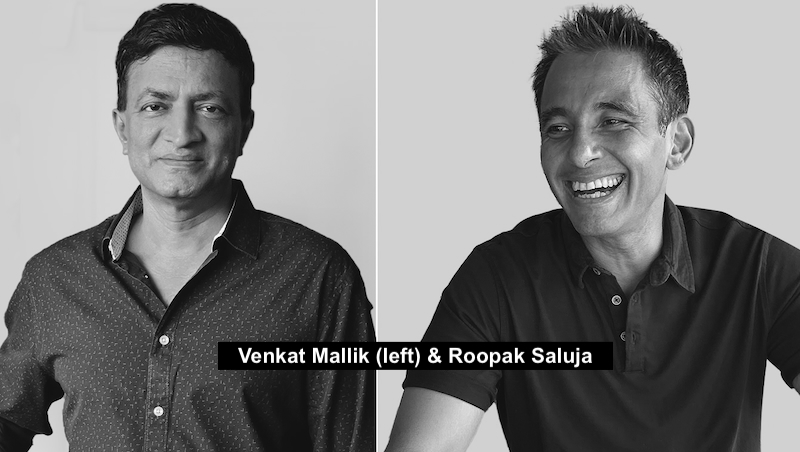
MUMBAI: Integrated communications agency, Jack in the Box Worldwide, a part of The 120 Media Collective, has appointed Kaizad Pardiwalla as president, with the aim to lead its ambitious growth strategy. Kaizad, who joins from Orchard Advertising, where he was Chief Operating Officer. He will report to The 120 Media Collective founder and CEO Roopak Saluja.
An industry veteran, Kaizad started his career with Lowe Lintas and went on to hold leadership positions with Ogilvy & Mather, where he was National Head of OgilvyOne India, before joining Grey as Branch Head – Mumbai and subsequently moving to Orchard. In his career spanning over two decades, Kaizad has worked with brands such as Amazon, Wipro, Viacom 18, American Express, Cadbury, CISCO, Unilever, The Economist, Fiat, Ferrero and Vodafone, amongst others.
Saluja commented on Kaizad’s appointment saying, “As Jack in the Box enters its next phase of growth as an integrated communications agency for the digital era, there’s a vital need for leadership with experience and stature; someone who can marshal all that we have at our disposal and beyond in terms of talent and technology to provide real business impact for our clients. Kaizad belongs to a rare breed of professionals, who couple a proven track record with the agility that’s integral to success in our business today and tomorrow. And I’m super excited to have him as a key partner in The 120 Media Collective’s quest for impact across the South/South-East Asia region.”

On his new appointment, Kaizad said, “Today digital has become crucial for every brand to stay relevant. Jack in the Box Worldwide, with its digital first approach is a leader when it comes to assisting brands strike a chord with their target audience. I’m really excited to lead this extremely creative and talented team at Jack in the Box. We are here to provide business solutions for brands backed by strong ideas and insights into consumer behaviour. The vision is to create path breaking ideas that are media agnostic and which deliver results for our clients in the marketplace. With content and platforms coming into their own, these are very exciting times for us at JITB and there will be a lot to watch out for!”





Brands
Aptronix unveils ‘Big & Beyond’ campaign, opens largest store in Hyderabad
Naga Chaitanya, Sobhita front push as retailer expands premium Apple experience
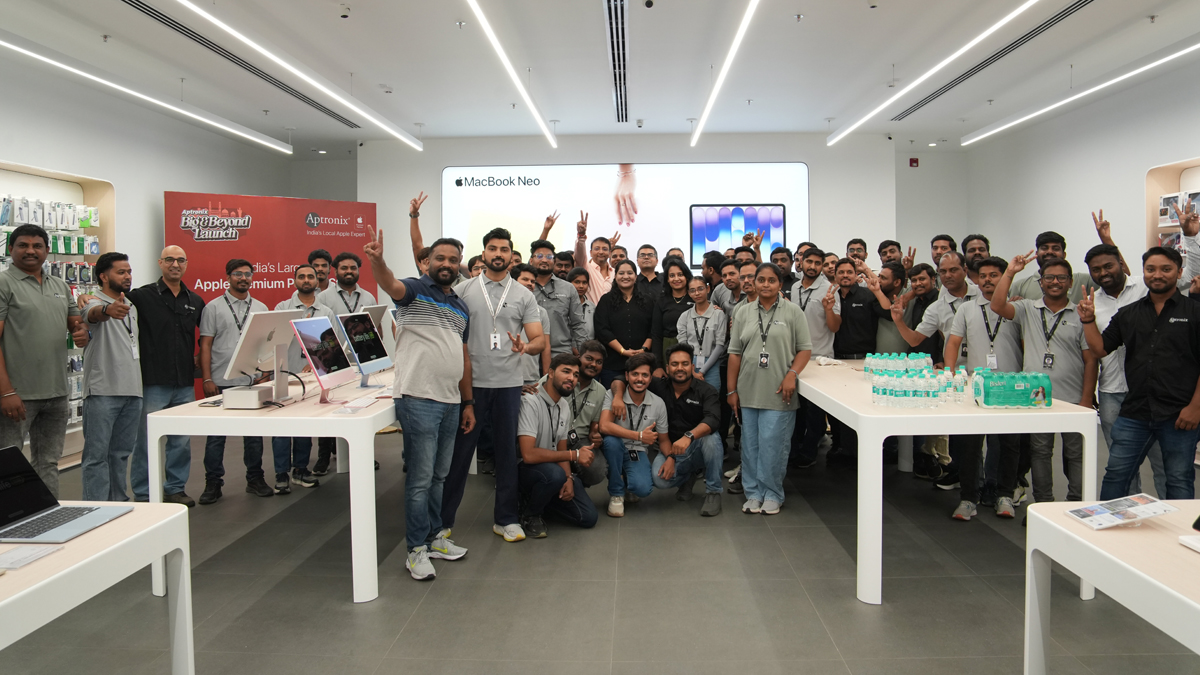
HYDERABAD: Aptronix has rolled out its most ambitious brand push yet with the launch of the ‘Big & Beyond Aptronix’ campaign, alongside the opening of its largest retail store in India.
The campaign features actors Akkineni Naga Chaitanya and Sobhita Dhulipala as brand faces, signalling a sharper focus on aspirational, experience-led retail as the company scales its presence in the premium Apple ecosystem.
At the centre of the rollout is a new 8,000 sq. ft. flagship outlet at Sarath City Capital Mall, now the largest Aptronix store in the country and among the biggest Apple Premium Reseller formats in India. The space is designed to offer immersive product discovery, personalised guidance and integrated service support, positioning the store as more than just a point of sale.
The campaign itself leans into themes of scale, ambition and accessibility, aiming to connect with a younger, increasingly design-conscious generation of Apple users. By pairing celebrity appeal with in-store experience, Aptronix is looking to deepen emotional engagement while reinforcing its premium positioning.
A key pillar remains its ‘Limitless Aptronix Exchange’ programme, which offers customers simplified upgrade paths, transparent pricing and wider access to Apple devices. The initiative has been central to driving adoption by making high-end technology more approachable for a broader audience.
Premium Lifestyle and Fashion founder & owner Sutinder Singh said the new store reflects a long-held belief that Indian consumers should have access to the best Apple retail experience without compromise. He added that the campaign’s celebrity faces mirror the brand’s core values of elegance, ambition and confidence.
Aptronix CEO Meghna Singh said the ‘Big & Beyond’ theme reflects how the company operates, with a focus on building a best-in-class retail experience. She noted that the Hyderabad launch and the campaign together signal Aptronix’s intent to set new benchmarks in the category.
With this dual push of scale and storytelling, Aptronix is not just expanding its footprint but also redefining how premium tech retail is experienced in India.