iWorld
Amazon Prime to explore sports genre & catch-up TV

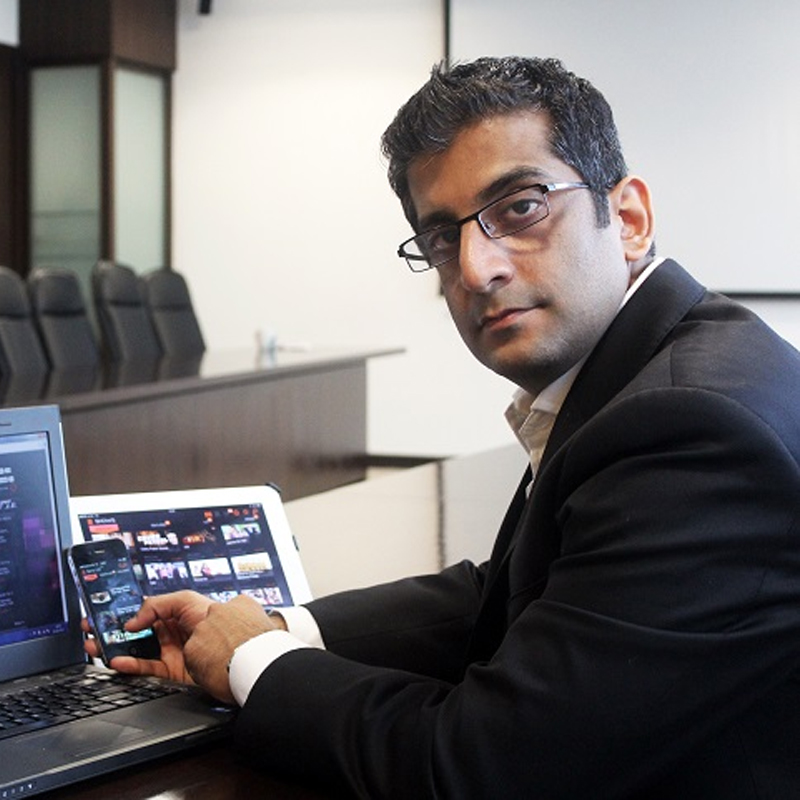
MUMBAI: Prime subscribers in India are in for a treat. Nearly a year after preparations, American e-commerce giant has finally launched its Prime Video service in India. At an introductory price of Rs 499 a year (Rs 42month) and a month’s free trial as reported by Indiantelevision earlier, Amazon Prime Video gives users access to latest Hollywood movies, Bollywood blockbusters, TV shows, Amazon original series and kids’ programming. For those who already have an Amazon Prime subscription, they get video streaming as well for no extra charge.
As many as nine original programs have been produced with the first slated to launch early next year and nine under production. Its original series are produce by Ram Madhwani, Prasoon Joshi, All India Bakchod (AIB), Vikram Malhotra, OML, Ritesh Sidhwani, Farhan Akhtar, amongst others.
The subscription based video-on-demand service is now available in 200 territories. With learnings from its other markets and the lavish content portfolio, one can ensure that it is here to stay.
“For now, the number of international shows will be slightly greater than the ones produced in India. As we get into this, the ratio of Indian content will get higher and higher. After the US and Japan, India is the third country wherein we are betting high,” said Amazon Prime APAC head of content James Farrell.
Given the huge appetite for sports content in India and the lack of sports content being offered by the current OTT platforms, abreast its current offering, the service might also look at providing compelling sports programming and catch-up television to its customers.
“I perceive that Indian customers want to watch great movies and shows at a decent value and that is what we are providing. Prime is an amazing deal in shopping and watching at an affordable price. We are focused on providing compelling content to our customers. So, today we are announcing licensed movies and TV shows apart from original content and foreign content. Sports is a compelling category for customers and we will consider that,” said Amazon Instant Video International VP Tim Leslie.
As broadcast and digital continue to converge within sport, fans demand more access to content at their fingertips on any device. There is a clear need for the next step in providing customers direct propositions in sports media. Sports federations, leagues and brands are already looking to harness the power of OTT content and the opportunities it offers. The one who adopts first will rule.
“Sports is important for India and we will evaluate it. We will let you know as we decide on sports,” added Amazon Video India director and country head Nitesh Kripalani.
In addition to its current content offering, if there is a demand to provide next day television of their favorite channels in India, the service will definitely look into it.
“Catch-up is one category where we are trying to talk to everybody. So, whether it is movies, kids, sports or catch-up television, if our customers want linear television’ catch-up the next day, we will talk to those channels and look at a partnership. We will definitely explore that,” added Farrell.
“India has one of the richest and most vibrant entertainment industries in the world—Amazon is energized by the talent and the passion of India’s film industry and is excited to be making multiple Indian original shows already, with more to come. We are also making a commitment to our Indian customers to deliver high-quality, binge-worthy shows that they’ll love to watch,” said Amazon Studios VP and head Roy Price.
After tying up with film makers and film studios since September, Amazon Prime’s video content portfolio has 2016’s top Indian and Hollywood blockbusters. It also has top kids shows like Doraemon, Chhota Bheem and Oggy & the Cockroaches and Indian shows like Taarak Mehta Ka Ooltah Chashmah, CID and Crime Patrol. Titles like Salman Khan starrer Sultan, Rajnikanth’s Kabali and Hollywood blockbuster Batman vs Superman – Dawn of Justice, has made it to its offering. Its international bouquet includes shows like The Good Wide, Two and a Half Men, Mr. Robot, etc. Many US TV shows will premiere on Prime Video within a day of its broadcast in the US.
“We don’t look to create disruption in the entertainment space but we want to listen to our customers and their needs. We are in a customer revolution in India in the way people watch content in India, which has happened in US, UK and recently in Germany. It is starting to happen in Japan. The customer revolution is that why be bound to watch shows at certain days and time, why do not you watch it wherever and whenever you want to watch. That is very important. Other point is that content creators don’t have to fine huge audience on linear TV. They can make ambitious and ground-breaking shows and find their audience,” voiced Leslie.
Some selected Prime Video international content is also available in dubbed Indian languages and subtitles. In addition to English and Hindi films, the service will also offer regional movies in Tamil, Telugu, Bengali and Marathi. It also promises movies and TV shows from top Indian and international studios.
“We want to solve customer problems and we took it in three ways – selection, convenience and value. We are focused on getting the widest selection of exclusive and latest content. We want to solve the problem of data usage and too many advertisements playing. All at the same time of shipping guaranteed in one or two days and the best content. We are enablers of the market; we are enablers who want to consume great content, we are enablers of creators who want to create great content without having the constraints of the duration. We want to change the way customers consume and creators create content,” added Kripalani.
It is also looking to offer TVOD in its other prime markets. “We will always look at more ways to watch content. It not just includes devices but more ways to purchase content. So, we want to provide customers lots of choice,” asserted Leslie.
Besides Netflix’ subscription plans which start from Rs 500 and go up to Rs 800 per year, India has online streaming platforms like Star India’s Hotstar with its premium service at Rs 199 per month. Compared to this, YuppTV charges consumers Rs 99 a month whereas Eros Now has a daily pass for Rs 10 and a weekly pass for Rs 30 and a weekend pass for Rs 20. The annual subscription is available for Rs 1,000.
Hooq starting at Rs 199 per month which is popular among movie buffs and Spuul which offers a Premium subscription option in monthly, annual, and multiple smaller packages, along with pay-per-view movies as well.
“Globally, viewership is moving towards VOD and one can also see this increasing adoption of digital video consumption in India too. This has thrown the field open for a lot of players in the country and the entry of Amazon Prime is a welcome and much anticipated move for the VOD space in India. With robust smartphone penetration and the launch of 4G, one can foresee a tectonic shift in consumption that will forever change the entertainment industry. With the entry of the likes of Amazon Prime, the VOD space will be poised for growth as video content will be created and marketed specifically for the web and devices. However content, accessibility and overall user experience will be a game changer for any player to succeed in India. Currently at Spuul we have ~18m users of which 80% consume content on smartphones and we expect this to grow exponentially in 2017. We will continue to execute on our focus of providing the best quality Indian content and superior user experience to the masses, and our upcoming product releases and content additions will reflect that,” said Spuul India CEO Rajiv Vaidya.