MAM
Indian advertising stalwart AG Krishnamurthy passes away

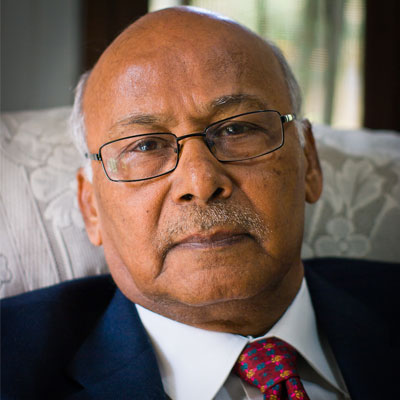
MUMBAI: An entrepreneur to the core… a creative disrupter who did not care about the establishment and the way it functioned in the late seventies and eighties. This perhaps best describes Atchyutani Gopala Krishnamurthy, fondly known as AGK, who passed away at the age of 73 in Hyderabad following a brief hospitalisation on 5 February.
The founder, chairman and managing director of Mudra Communications, AGK was regarded by many in the industry as a legend — an adman, a creative genius, a pioneer in business and marketing, and an author — all rolled into one. His sudden demise after a brief illness came as a shock to many. Incidentally, 5 February, 2016 also marked the silver jubilee of MICA – the advertising institute, which Krishnamurthy established.
Krishnamurthy had been an inspiration for many generations of advertising enthusiasts and veteran creatives in the country, and his ‘rags to riches’ story of setting up Mudra Communications from a Rs 35,000 and one client company to an empire worth millions, is one of the biggest success stories of our times.
Born on 28 April, 1942 in Vinukonda, in the southern state of Andhra Pradesh, Krishnamurthy didn’t start off his career in advertising but chance and impromptu necessity led him in. In 1968 he joined the Calico Mills, a big textile name in the 60s and 70s, to assist Giraben Sarabhai. Later, he was commissioned by Reliance Dhirubhai Ambani to come up with “the best possible advertising in textiles” for Reliance’s in-house fabric brand, Vimal. And from him came the brand’s tagline – ‘Only Vimal.’ He was also the man behind the simple yet evergreen tagline – ‘I love you Rasna.’
By 1980, AGK had christened ‘Mudra’ as an independent advertising agency while scouting for like minded business partners. With his insights and leadership, it didn’t take long for Mudra to become a full-service national-level advertising house.
He later penned a biographical book titled Dhirubhaism on Dhirubhai Ambani’s business philosophy and the anecdotes that he shared with Krishnamurthy when they worked together, which is still referred to by many management and business students.
Although his creative works are revered and celebrated even today, his biggest contribution to the advertising fraternity is no doubt, setting up of MICA or Mudra Institute of Communications, Ahmedabad as it was earlier called. It was the first of its kinds in all of Asia when it was established in 1991.
AGK’s talent for starting new businesses and establishing its success in the market didn’t end there. After retiring from Mudra in 2003, he founded AGK Brand Consulting as ran it as chairman.
A few ad men took to social media to express their grief.
Cartwheel Creative founder Ramakrishna Desiraju, popularly known as Ramki tweeted, “Flooded by memories of AGK. What a remarkably atypical adman he was. MICA, perhaps more than Mudra, will be his lasting legacy. RIP. Much too late, I regret not staying in touch with AGK. His strange accent, his warm smile, and his earthy wisdom will always stay with me.”
R K Swamy Hansa Group chairman SK Swamy tweeted, “Hardly 74 years Founder of Mudra Communications AG Krishnamurthy is no more. He changed the rules when he ruled….”
Krishnamurthy is survived by his wife, three daughters and son. We at Indiantelevision.com express our heartfelt condolences to the family. May his soul rest in peace.