Research
UK TV industry sees revenue growth: Ofcom report

MUMBAI: The Communication Market 2014 report of Ofcom, an independent regulator and competition authority for the UK communications industries, highlights that TV industry generated ?12.9 billion in revenue during 2013, an increase of ?426 million (3.4 per cent).
The increase was driven by growth in subscription revenues and net advertising revenues. However, there was a small decline in publicly-funded television programming in 2013, following an eventful year in 2012, including the London Olympic and Paralympic Games.

The report examines the key developments and trends seen in the UK television market during the past year. Some of them include:
Pay-TV subscription revenue continues to drive the growth as subscription revenues increased by 6.7 per cent in 2013 to reach almost ?5.9 billion. Subscriptions now account for 46 per cent of all television industry revenues in the UK.
As far as broadcast-based TV advertising income is concerned, it returned to growth in 2013, increasing by 4 per cent (or ?146 million) to reach almost ?3.7 billion, its highest level in the past five years. The largest proportional growth was in the commercial PSBs’ portfolio channels, where revenues increased by 14 per cent to reach a combined total of ?669 million.
Online TV revenue saw an increase of 41 per cent in 2013 to reach ?364 million. The subscription model saw the steepest growth; revenue rose by 76 per cent to ?112 million, possibly indicating that online streaming services are gaining traction in the UK market.
Spend on content by all UK TV channels rose by 3.7 per cent to reach ?5.8 billion. In a year of English Premier League broadcast rights renewal, spend on sports programming grew by 19 per cent to reach ?1,808 million or 59.1 per cent of all programme spend on commercial non-Public service broadcasting (PSB) channels. Spend on BBC digital channels and the other PSBs’ portfolio channels also increased, rising by 6 per cent and 4 per cent, respectively. However, spend on first-run originated programming for the main five PSB channels declined by 5 per cent; from ?2,588 million in 2012 to ?2,451 million in 2013, partly due to there being no major sporting events that year.
In Q1 2014, 12 per cent of TV households had a smart TV, an increase of five percentage points on the previous year. Among smart TV owners, use of the internet functionality is increasing. 82 per cent used the internet connection on their TV in 2014 compared to 77 per cent in 2013 and 65 per cent in 2012.
Nonetheless, the TV viewing has remained resilient, although there was a decline in 2013 across all age groups. According to broadcaster audience research board (BARB), average viewing dropped from 241 minutes in 2012 to 232 in 2013 among all individuals, with all age groups experiencing declines. This may be due in part to changing media habits, but it might also have been influenced by the hotter summer in 2013 and a lack of ‘event’ viewing – in previous years viewing was boosted by major sports events such as the 2010 Football World Cup or the Olympic Games in 2012. However, among 16 to 24 year olds viewing has declined for three consecutive years: from 169 minutes in 2010 to 148 in 2013.







MUMBAI: Food and travel are officially the ultimate power couple.
As National Tourism Day approaches, the Godrej Food Trends Report 2024 has spotlighted culinary tourism as the driving force behind a revolution in Indian travel. No longer a side dish to the main event, food has claimed centre stage, transforming vacations into unforgettable, flavour-filled journeys.
In 2024, Indians travelled more frequently and for longer durations, with vacation spending surging nearly 25 per cent. A significant chunk of this increase was fuelled by travellers seeking unique and immersive culinary experiences that connected them to local cultures. Whether exploring bustling spice markets or learning time-honoured recipes from community experts, food became the heartbeat of modern Indian vacations.
The Godrej Food Trends Report 2024, curated by Godrej Vikhroli Cucina with insights from over 190 food experts, revealed the top culinary trends shaping Indian travel:
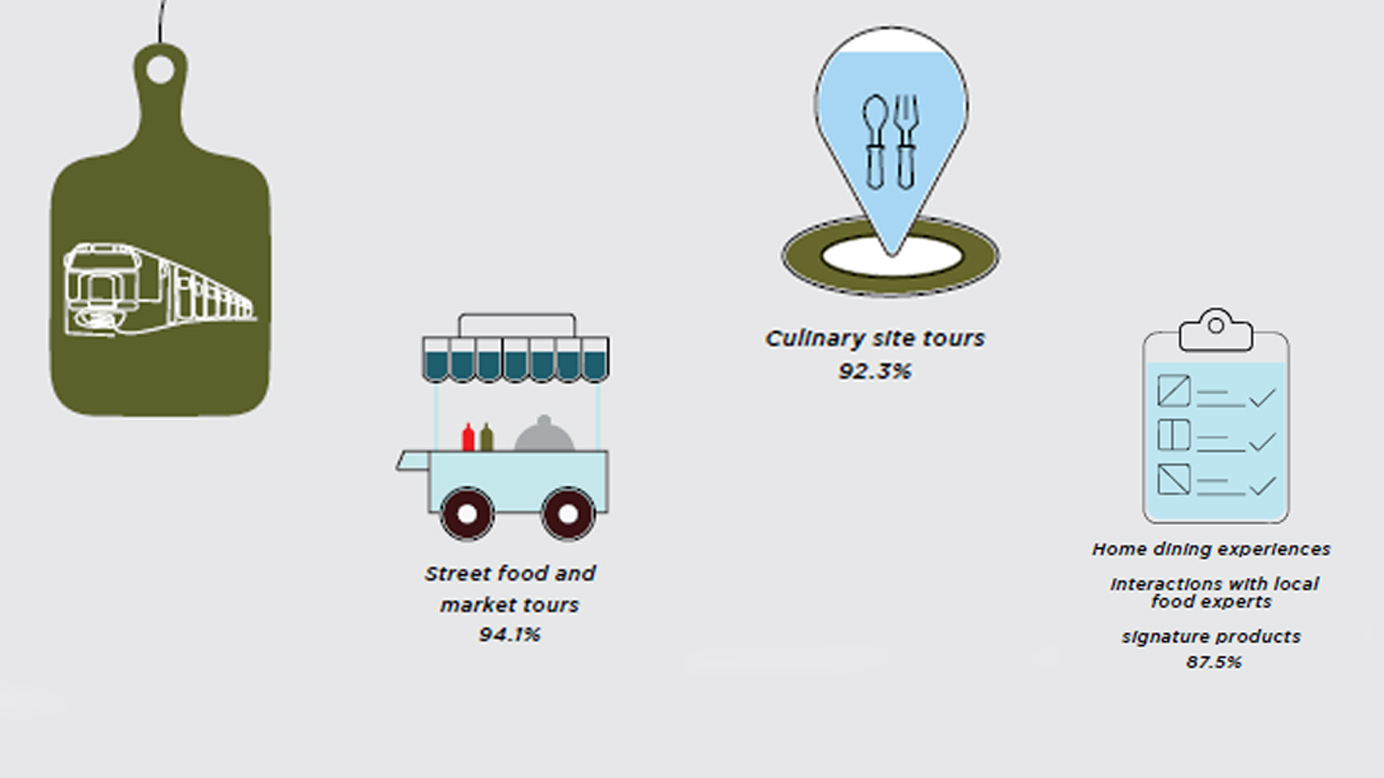
1. Street food and market tours
With 94.1 per cent of experts highlighting their popularity, vibrant food streets and spice markets emerged as must-visit attractions. From the zesty flavours of pani puri to the aromatic whiffs of garam masala, travellers immersed themselves in the diverse culinary fabric of India.
2. Culinary site tours
Nearly 92.3 per cent of experts predicted continued interest in these immersive experiences, where travellers visited tea estates, artisanal cheese hubs, and other production sites. These tours offered behind-the-scenes glimpses into the craft of food making, adding an educational edge to the journey.
3. Home dining experiences and local expertise
Around 87.5 per cent of experts noted a surge in travellers booking home dining experiences. These intimate interactions with local experts allowed visitors to learn traditional cooking techniques, taste signature regional products, and gain a deeper appreciation for India’s culinary heritage.
“Food is no longer just a part of the travel experience, but its very essence,” said A Perfect Bite Consulting MD & the annual report editor Rushina Munshaw Ghildiyal. “Today’s travellers are not just seeking destinations but connections—immersive, authentic experiences that allow them to explore the heart of a place through its culinary heritage. Whether it’s walking through vibrant spice markets, learning traditional recipes from local experts, or savouring unique regional flavours, food has become the bridge that links people to cultures and stories,” she elaborated.
This surge in culinary tourism isn’t just reshaping Indian vacations; it’s creating opportunities for local communities and small brands to showcase their culinary culture. From bustling street vendors to small-scale producers, the movement is helping amplify India’s rich food heritage on a global stage.
As the country celebrates National Tourism Day, travellers are invited to embrace the fusion of food and travel—a blend that promises to redefine how people experience culture and destinations in the years to come.
The Godrej Food Trends Report 2024 is available for download at www.vikhrolicucina.com.






