Executive Dossier
“Time not ripe for preferential treatment for exclusive content” : Pradip Baijal – TRAI chairman

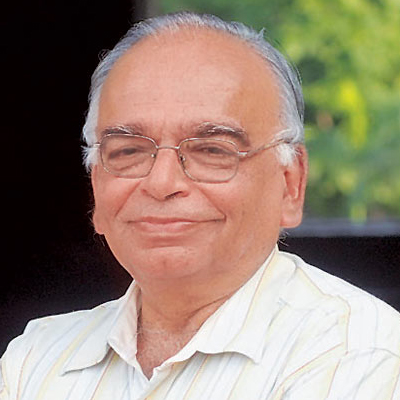
The Left parties have sought his immediate dismissal for “criminal connivance” with private telecom operators who, they allege, are under-invoicing their access deficit charges (ADC) payments. This, the Left said in Parliament too, was causing losses to the state-controlled Bharat Sanchar Nigam Ltd (BSNL) and Mahanagar Telephone Nigam LTD (MTNL). He is also alleged to be close to a certain corporate house that is aggressively
cornering market share in the area of telecom and wants to deliver TV content over broadband networks. What’s more, those from the cable and broadcast sector think he doesn’t understand the dynamics of this particular industry that was thrust on him more out of political reasons.
But all these allegations and insinuation haven’t stopped Telecom Regulatory Authority of India (Trai) chairman Pradip Baijal from being himself — subtle in puncturing criticism and professing his love for consumers of telecom and broadcast services.
After giving out a couple of interviews this year, Baijal has kept himself off the press for full length one-on-ones, though he gives ample sound bytes on sidelines of seminars and public functions to people who are interested in listening to him. Indiantelevision.com’s Delhi bureau tries to peep into the telecom and broadcast & cable sector regulator’s mind by collating his viewpoints on various issues relating to the industry on the sidelines of a broadband seminar organised by Bharat Exhibitions today.

Excerpts:
|
On whether he’s feeling anguished over being lambasted by political parties and part of the media. On issuance of the interconnect regulations for the broadcast sector, I have signed the final document and it should be notified today. (Due to technical reasons including unavailability of a Hindi translator, the recommendations of the interconnect agreement were finally not issued). We want to get it out of our way as soon as possible as it’s an important industry issue. |
|
On whether some ticklish points raised by pay broadcasters held up the interconnect regulations’ notification. |
|
On whether points raised by pay broadcasters like Sony Entertainment TV that must-provide does not have any global precedence are valid. On allegations that Trai is attempting to dictate the terms of business by excluding factors like premium on exclusivity. Now, suppose Zee says that it has brought cricket for $ 308 million and it could be seen only on their DTH network. What happens to those consumers who don’t subscribe to Zee’s DTH service and rely on some other service provider? The same holds true for Sony and Star. |
|
On whether Trai would ever give some importance to exclusive content that is acquired at a huge cost. Moreover, the time is not ripe for such preferential treatment for exclusive content at the moment in India. As and when infrastructure develops and the technological capability to provide more on a two-way interactive basis comes in, the regulator would certainly look at different pricing structures. We may also allow exclusive content to be priced exclusively. |
|
On regulating the cable sector that had done phenomenally well in an unregulated environment. |
|
On political criticism of Trai’s role as a regulator. |
|
On the future of broadband in India. |
|
On whether the government is deliberately sitting over Trai recommendations on CAS and FM radio? |







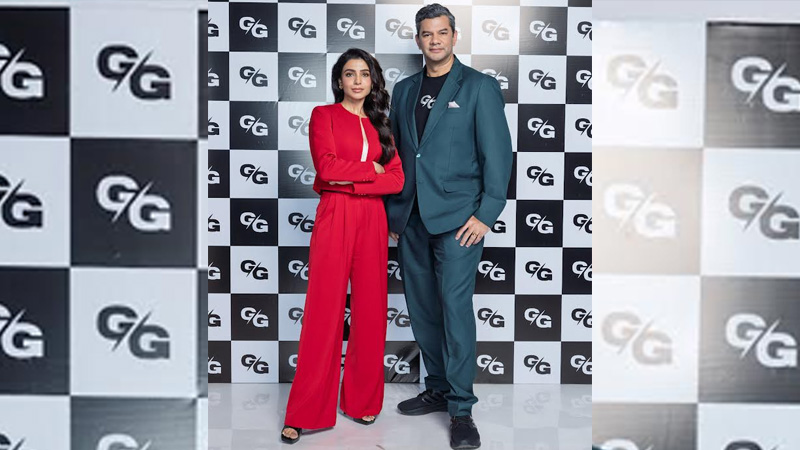
MUMBAI: Game faces on, pressure high India’s gaming ambitions are levelling up. Good Game, billed as the world’s first as-live global gaming reality show, has officially launched in India with a bold mission: to crown the country’s first Global Gaming Superstar.
Blending esports with mainstream entertainment, the show brings together competitive gaming, creativity and on-camera performance in a format that tests more than just joystick skills. Contestants will be judged on gameplay, screen presence and their ability to perform under pressure, reflecting how gaming has evolved from pastime to profession and pop culture currency.
Fronting the show are three high-profile ambassadors: actor and entrepreneur Samantha Ruth Prabhu, Indian cricket star Rishabh Pant, and gaming creator Ujjwal Chaurasia. The winner will take home Rs 1 crore ($100,000) among the largest prize pools for any Indian reality show along with the chance to represent India on a global stage.
Backed by a planned annual investment of up to Rs 100 crore, Good Game is also courting brand partners, promising a minimum reach of 500 million among India’s core youth audience. The creators position the show as a bridge between entertainment and interactive culture, offering long-format content, community engagement and commercial scale.
Auditions are now open to Indian citizens aged 18 and above, inviting amateur and professional gamers, creators and performers alike. Shortlisted candidates will be called for in-person auditions in Mumbai on 14 and 15 February, and in Delhi on 28 February and 1 March 2026.
With big money, big names and even bigger ambition, Good Game signals a shift in how India views gaming not just as play, but as performance, profession and prime-time spectacle.







