People
Industry touches base with family, this Diwali


It is that time of the year again! Diwali, also known as the festival of lights, lives up to its name, filling every nook and corner of our streets with bright decorations and fireworks. Whether you talk about shimmery clothes, tasty food or wonderful traditions, one cannot deny the excitement associated with this festival. We buy gifts for ourselves and loved ones, feast on good food, visit our relatives and decorate homes with glowing lamps and rangoli. A festival that signifies the triumph of light over darkness and good over evil, the story behind Diwali has a strong base in Indian mythology. Diwali commemorates the return of Lord Shri Ram with his wife Sita and Lakshman from his 14 year long exile after killing the Ravana. In joyous celebration of his victory, the people of Ayodhya lit up tiny lamps at their homes, signifying positive energy. These days, people host a range of Diwali bashes to celebrate the occasion. A typical day normally starts with a Lakshmi puja, followed by visiting family and friends. Diwali is also an occasion for us to meet our loved ones, exchange gifts, socialise and bond. The festival can also signify a chance for us to bring light into the lives of others. With all these meanings attached to this event, it is no wonder that Diwali is one of the most widely celebrated festivals in India and abroad. Likewise on this day, we found out how the media industry is celebrating Diwali. Take a look!
 Divya Radhakrishnan, Managing director, Helios Media
“We are keeping an open house at my office today post 4 pm where friends, colleagues and families can come in to celebrate the occasion with us for some good food and alcohol.”

JD Majethia, Actor-Director-Producer, Hats Off Productions
“This year, there are lots of good things happening work wise. Our show Badi Door Se Aaye Hain just completed 100 episodes. Our viewers have given us so much love that even we want to give back the same kind of affection. We have prepared Diwali special episodes for the show. On a personal front, Diwali is very nostalgic for me. As I am a Gujarati, it signifies a new year for us. I just came back from a vacation with my family. And I intend to visit my relatives and celebrate Diwali with a bit of fireworks!”
 Karthik Lakshminarayan, COO, Madison Media
“This Diwali, children from an orphanage have been invited to our office. Food and donations were collected as we want to spread happiness in their lives. At home, I will spend time with family and visit friends. I will avoid bursting crackers as I believe in an eco-friendly Diwali.”
 KVL Narayan Rao, executive vice chairperson, NDTV
“I would be having a small celebration at home with family and friends.”
 Navin Khemka, managing partner, north and east region, Maxis
“At office, we had a puja followed by lunch with colleagues. On a personal front, I plan to spend the time with family and friends at home. A puja will be conducted at home and it will be an eco-friendly Diwali at my place.”
 Nisha Singhania, co-founder, Infectious
“We are just having a quiet Diwali celebration. I am taking my office colleagues out for lunch at a vegetarian restaurant in Mahim.”
 Shantanu Gangane, marketing head-Movies Now, Times Television Network
“At work place, Diwali snacks and gifts are being distributed. I also plan to visit my weekend home with my family and friends. I want to spend quality time with my kids and teach them about the mythological characters pertaining to Diwali instead of just bursting fire crackers. I prefer a noise-free Diwali.”
 Sudhir Sharma, producer, Sunshine Productions
“I will be going ‘party hopping’ to different Diwali events hosted by colleagues in the industry. Diwali means happiness. It is like a motivation to work harder for the upcoming year. This year will be different as I will not be going back to my parents’ house. Instead, I will be attending a lot of parties in Mumbai hosted by my fellow co actors and friends from the industry.”
 Yash Patnaik, producer, Beyond Dreams Entertainment
“I am in the midst of getting my office renovated. This year will be a working Diwali for my entire team.”
Here’s wishing all our readers a very happy and prosperous Diwali from the entire team of Indiantelevision.com !






People
BBC appoints Matt Brittin as 18th Director-General
Former Google EMEA president to lead broadcaster from May amid global change
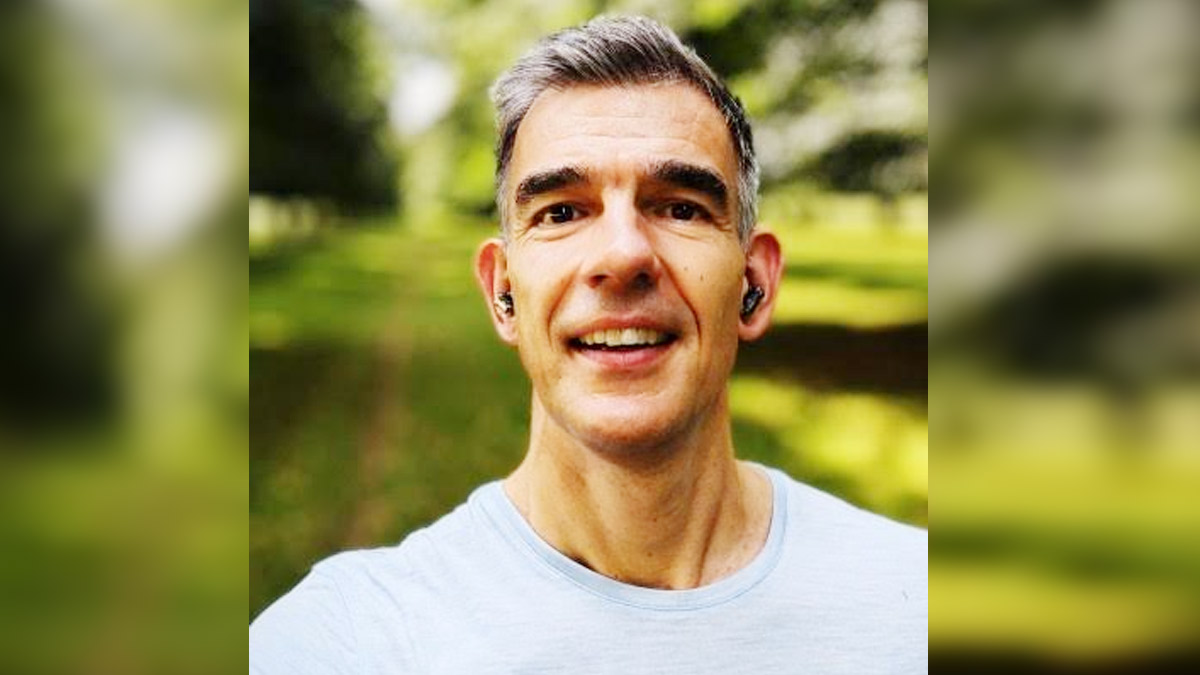
LONDON: The BBC has named Matt Brittin as its 18th Director-General, placing a seasoned technology and media leader at the helm of one of the world’s most influential public broadcasters. He will formally assume the role on 18 May.
Brittin steps into the position after a brief “gap year”, as he described it, returning to the spotlight with a job that, in his own words, was “probably not one either you or I were expecting”. The appointment signals a strategic tilt towards digital expertise at a time when traditional broadcasting continues to evolve at pace.
The new Director-General brings more than 18 years of experience from Google, where he held several senior roles, including President for Europe, the Middle East and Africa. During his tenure, he played a central role in expanding the company’s footprint across Europe and shaping its regional strategy.
More recently, Brittin served as Senior Independent Director at The Guardian, adding boardroom insight from one of Britain’s leading news organisations. His career also spans roles at McKinsey, Trinity Mirror and Sainsbury’s, giving him a broad perspective across media, retail and strategy.
The Director-General position carries dual responsibility as chief executive officer and editor-in-chief, overseeing the BBC’s creative, editorial and operational direction both in the UK and globally. It is a role that demands not just leadership, but a steady editorial compass in an increasingly complex media landscape.
“Now, more than ever, we need a thriving BBC that works for everyone in a complex, uncertain and fast changing world,” Brittin said. He added that the broadcaster remains “an extraordinary, uniquely British asset” with a legacy of innovation in storytelling and technology.
His appointment comes at a moment when public service broadcasters are under pressure to balance tradition with transformation, navigating shifting audience habits, digital disruption and funding debates. Brittin’s blend of Silicon Valley scale and British media sensibility may prove timely.
With “big challenges and big opportunities” ahead, Brittin appears ready to get started. The real test begins in May, when he moves from anticipation to action at Broadcasting House.






