Applications
YouTube’s founders challenge Vine and Instagram with new video app

MUMBAI: After months of teasing, the wait is finally over: Chad Hurley and Steve Chen, who brought forth the video-sharing site YouTube, are taking the wraps off their newest project, a video creation app called MixBit.
Versions for Apple mobile devices and the Web are already live, and an Android version is due in coming weeks.
|

On the surface, MixBit resembles two other leading video apps, Twitter‘s Vine and Facebook‘s Instagram. As with those apps, users press and hold the screen of their smartphone to record video. Instagram users can capture up to 15 seconds of video, a bit longer than Vine‘s six-second maximum. MixBit allows 16 seconds.
But as the name suggests, MixBit is all about mixing and editing video. Both the app and a related website, MixBit.com, are aimed at making it easy to clip and stitch together snippets of videos. Simple tools built into the app allow users to edit each 16-second clip and combine up to 256 clips into an hour long video. The final product can then be shared on Twitter, Facebook, Google Plus or the MixBit website.
 |
Think of it as “shoot, mix and share.” You don‘t even have to do the shooting – the MixBit site allows anyone to snip and remix any publicly shared video content.
In fact Hurley said encouraging users to remix other people‘s videos to create new works is the principal goal of the service, which is the first big product to emerge from Avos Systems, the start-up he co-founded with Chen two years ago. (The company has received funding from the venture arm of Google, which bought YouTube, as well as from Innovation Works, Madrone Capital and New Enterprise Associates.)
“The whole purpose of MixBit is to reuse the content within the system,” Hurley said in an interview. “I really want to focus on great stories that people can tell.”
The ability to create those more complex video stories could give MixBit an edge, at least momentarily, over Vine and Instagram, which are growing rapidly. Vine has no editing tools and Instagram introduced rudimentary ones recently.
 |
But one crucial decision by Avos is likely to hold it back: the app is totally anonymous and communal. Users cannot post their videos under a name, and they cannot comment on each other‘s work.
Showing off is a big part of modern internet culture. The competition to create popular videos helped build YouTube into the powerful force that it now is, and it propels social networks like Facebook and Twitter.

Applications
With 57 per cent single new users, Ashley Madison rebrands as discreet dating platform
Platform says majority of new members now identify as single
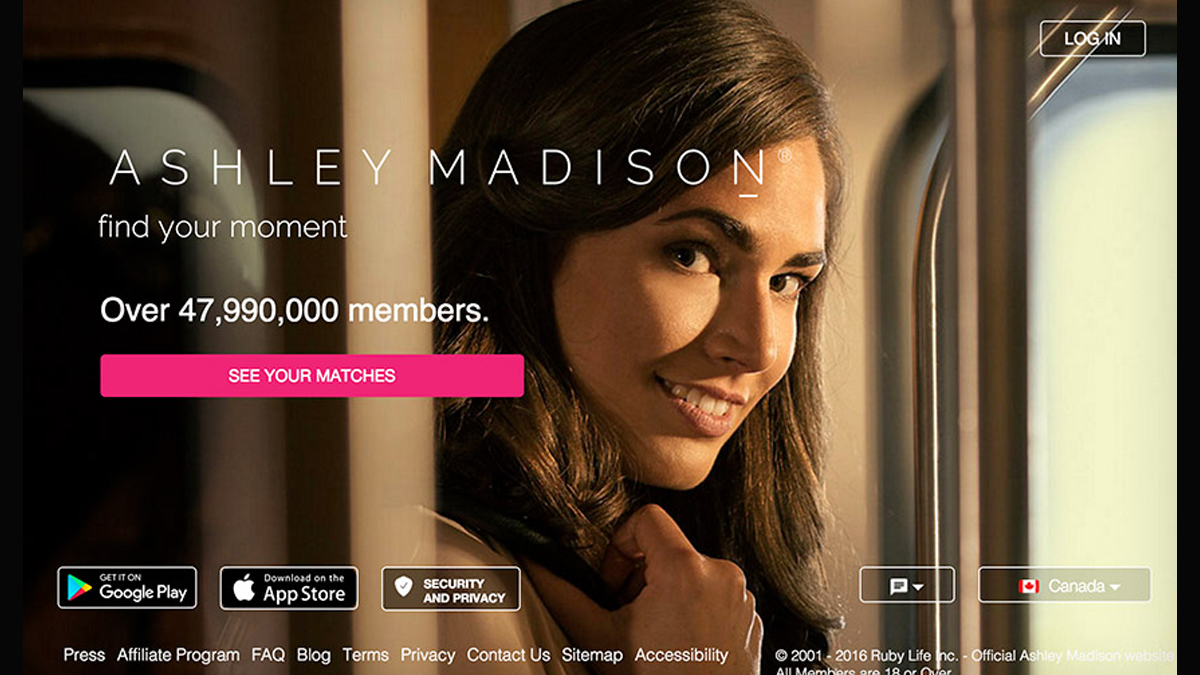
INDIA: Ashley Madison is shedding the “married-dating” label that defined it for two decades, repositioning itself as a platform for discreet dating in what it calls the post-social media age.
The rebrand, unveiled in India on 27 February, 2026, marks a structural shift in business model and identity. Once synonymous with married dating, the company now describes itself as the “premier destination for discreet dating” under a new tagline: Where Desire Meets Discretion.
The pivot is data-driven. Internal figures show that 57 per cent of global sign-ups between 1 January and 31 December, 2025 identified as single: a notable departure from the platform’s married core. The company argues that its community has already evolved beyond its original positioning.

“In an age where our lives have been constantly put on public display, privacy has become the new luxury,” said Ashley Madison chief strategy officer Paul Keable. He framed the platform’s offering as “ethical discretion” for singles, separated, divorced and non-monogamous users seeking private connections.
The shift also taps into wider digital fatigue. A global survey conducted by YouGov for Ashley Madison, covering 13,071 adults across Australia, Brazil, Canada, Germany, India, Italy, Mexico, Spain, Switzerland, the UK and the US, found mounting discomfort with hyper-public online lives.
Among dating app users, 30 per cent cited constant swiping and messaging as a source of fatigue, while 24 per cent pointed to pressure to curate public-facing profiles and early personal disclosure. Some 27 per cent said fears of screenshots or information being shared contributed to exhaustion; an equal share cited unwanted attention.
The retreat from oversharing appears broader. According to the survey, 46 per cent of adults actively try to keep most aspects of their life private online. Only 8 per cent feel comfortable sharing most aspects publicly, while 35 per cent say they are becoming more selective about what they disclose.
Ashley Madison is betting that this cultural recalibration towards controlled visibility can be monetised. By doubling down on privacy infrastructure and reframing itself around discretion rather than infidelity, the company is attempting to convert reputational baggage into a premium proposition.








