Applications
LCOs ask for separate regulator for cable operators

NEW DELHI: Local cable operators (LCOs) are demanding the creation of a separate Cable Television Regulatory Authority of India to deal with issues relating to broadcasting on the ground that the Telecom Regulatory Authority of India (Trai) comprising experts in telecom is ill-equipped to deal with their issues.
The LCOs have suggested that all cable TV operators should become members of the Council of Cable TV of India which should be given recognition and representation by the Government on all relevant platforms.
Attempting to form a united stand on common issues, the LCOs have said that the issuance of licences should move away from the post offices to the Information and Broadcasting Ministry as this would ensure no unruly elements come into the business. They have also blamed the post offices for refusing to issue licences to LCOs after registering them.
The LCOs protested against the Trai‘s Tariff Order for digital addressable cable which had fixed a revenue share of Rs 45 from the basic service tier, saying that it was highly unjust since they were already getting Rs 82 under the Cas-mandated system.
The LCOs were attending a two-day conference of cable TV operators from different parts of the country.
The National Conference of Indian Broadcasting and CATV Industry had been organised by the All India Aavishkaar Dish Antennae Sangh with the aim to apprise the LCOs from all over the country with the latest developments in digitisation and to also form a united stand on common issues.
Dr A K Rastogi, president of the Sangh, said that all channels should flash the rates of encrypted (pay channels) clearly so that the viewer and the LCO is aware of the rate to ensure transparency.
Senior consultant V C Khare lashed out at Trai for not having coming out with a clear-cut rate card for pay TV under DAS.
He also regretted that while the amended Cable TV Networks (Regulation) Act referred to right of way for LCOs and said they can use electricity poles, there was nothing about this in the Rules issued under the Act.
Khare also said it was surprising that cable TV was not listed on the Central Government list when broadcasting was a central and not state subject.
Rastogi stressed the need to train cable TV technicians, and the announced training by the Broadcasting Engineering Consultants (India) Ltd. (BECIL) had not yielded any tangible results. He urged all LCOs to hold meetings with their subscribers and Resident Welfare Associations to apprise them about the need for installing set-top boxes (STBs).
He said both Mumbai and Delhi now had adequate STBs to go digital, but the state governments in West Bengal and Tamil Nadu were not keen on going digital. This may create impediments in the first phase of digitisation slated for 1 November.
LCOs should form district-level committees to ensure speedy implementation of digitisation, Rastogi added.
He called for an exemption of import duty on new STBs and a tax holiday for at least ten years for all work relating to digitisation.
The cable TV should be recognised as an information infrastructure industry, Rastogi added.

Applications
With 57 per cent single new users, Ashley Madison rebrands as discreet dating platform
Platform says majority of new members now identify as single
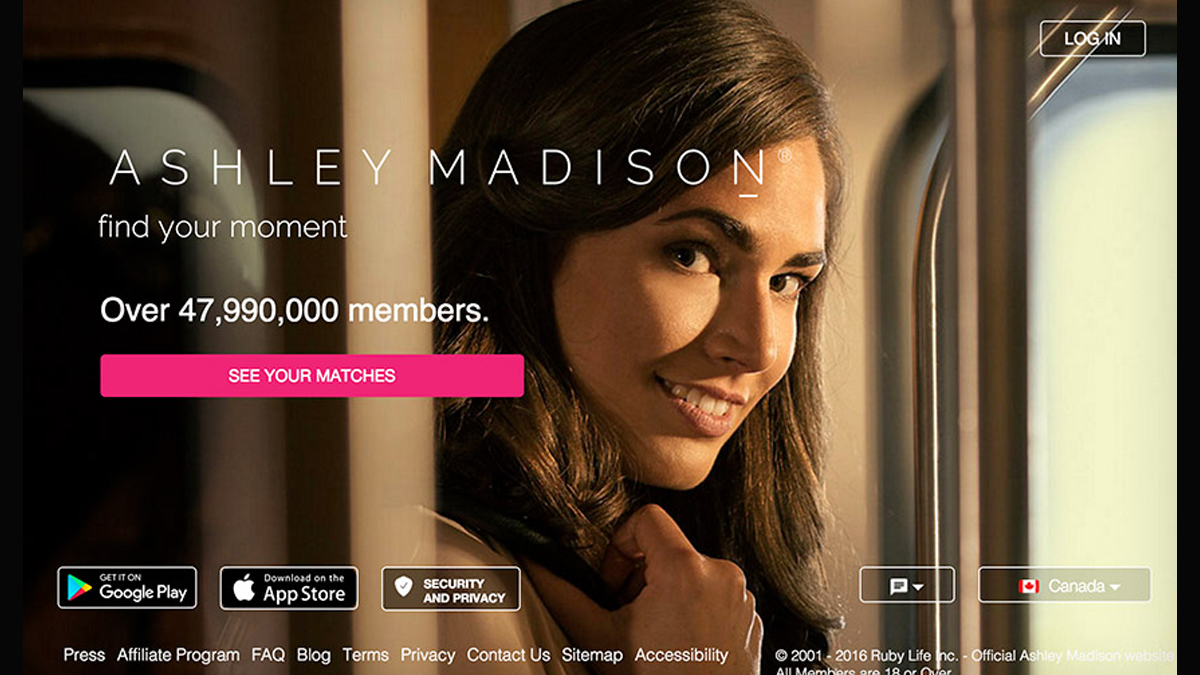
INDIA: Ashley Madison is shedding the “married-dating” label that defined it for two decades, repositioning itself as a platform for discreet dating in what it calls the post-social media age.
The rebrand, unveiled in India on 27 February, 2026, marks a structural shift in business model and identity. Once synonymous with married dating, the company now describes itself as the “premier destination for discreet dating” under a new tagline: Where Desire Meets Discretion.
The pivot is data-driven. Internal figures show that 57 per cent of global sign-ups between 1 January and 31 December, 2025 identified as single: a notable departure from the platform’s married core. The company argues that its community has already evolved beyond its original positioning.

“In an age where our lives have been constantly put on public display, privacy has become the new luxury,” said Ashley Madison chief strategy officer Paul Keable. He framed the platform’s offering as “ethical discretion” for singles, separated, divorced and non-monogamous users seeking private connections.
The shift also taps into wider digital fatigue. A global survey conducted by YouGov for Ashley Madison, covering 13,071 adults across Australia, Brazil, Canada, Germany, India, Italy, Mexico, Spain, Switzerland, the UK and the US, found mounting discomfort with hyper-public online lives.
Among dating app users, 30 per cent cited constant swiping and messaging as a source of fatigue, while 24 per cent pointed to pressure to curate public-facing profiles and early personal disclosure. Some 27 per cent said fears of screenshots or information being shared contributed to exhaustion; an equal share cited unwanted attention.
The retreat from oversharing appears broader. According to the survey, 46 per cent of adults actively try to keep most aspects of their life private online. Only 8 per cent feel comfortable sharing most aspects publicly, while 35 per cent say they are becoming more selective about what they disclose.
Ashley Madison is betting that this cultural recalibration towards controlled visibility can be monetised. By doubling down on privacy infrastructure and reframing itself around discretion rather than infidelity, the company is attempting to convert reputational baggage into a premium proposition.