Applications
Harmonic streamlines transition to all-IP cable infrastructure

MUMBAI: Harmonic, which offers video delivery infrastructure, has launched NSG Pro, a powerful new Converged Cable Access Platform (CCAP) that offers high-density Universal EdgeQAM capabilities and an easy upgrade path to future integrated Cable Modem Termination System (CMTS) capabilities.
The NSG Pro provides Qam density and the ability to converge linear video, on-demand video, and data onto a single system. Unlike competitive offerings, NSG Pro provides cable operators with a flexible upgrade path towards full CCAP and an all-IP infrastructure, while minimising operational expenses, power requirements, and rack space requirements.
Harmonic senior VP, GM of the Edge and Access business unit Nimrod Ben-Natan said, “NSG Pro leverages Harmonic‘s expertise in intelligent function integration to combine downstream services and an easy upgrade path to full CCAP – supporting Docsis 3.0 and beyond – in a unified CCAP chassis, enabling operators to redefine their cable architectures. As the industry‘s first true CCAP-compliant platform, NSG Pro positions Harmonic for success in the changing CMTS market.”
Conforming to CCAP specifications, NSG Pro offers cable operators the easiest path to full CCAP by supporting Universal EdgeQAM capabilities and integrated CMTS capabilities in the future via line cards that can be added to the same chassis.
NSG Pro accelerates service deployments by enabling seamless integration into an operator‘s existing infrastructure. With significant expertise gained from the company‘s edgeQam position, Harmonic Professional Services can help cable operators identify how and when to move towards full CCAP and ensure smooth deployment of downstream services with NSG Pro.
To complement the company‘s CCAP initiative, Harmonic is also introducing a new family of compact forward-path transmitter modules featuring ultra-high-density optics. Part of the SUPRALink and PWRLink product lines, the new transmitters deliver space savings, low power consumption, and optimized fiber usage and network efficiency. Together, the CCAP and high-density transmitter solutions enable cable operators to realise benefits across their operations by optimising real estate, controlling power costs, and supporting increased bandwidth capacity for advanced services such as high-speed data, IP video, and time-shift TV.

Applications
With 57 per cent single new users, Ashley Madison rebrands as discreet dating platform
Platform says majority of new members now identify as single
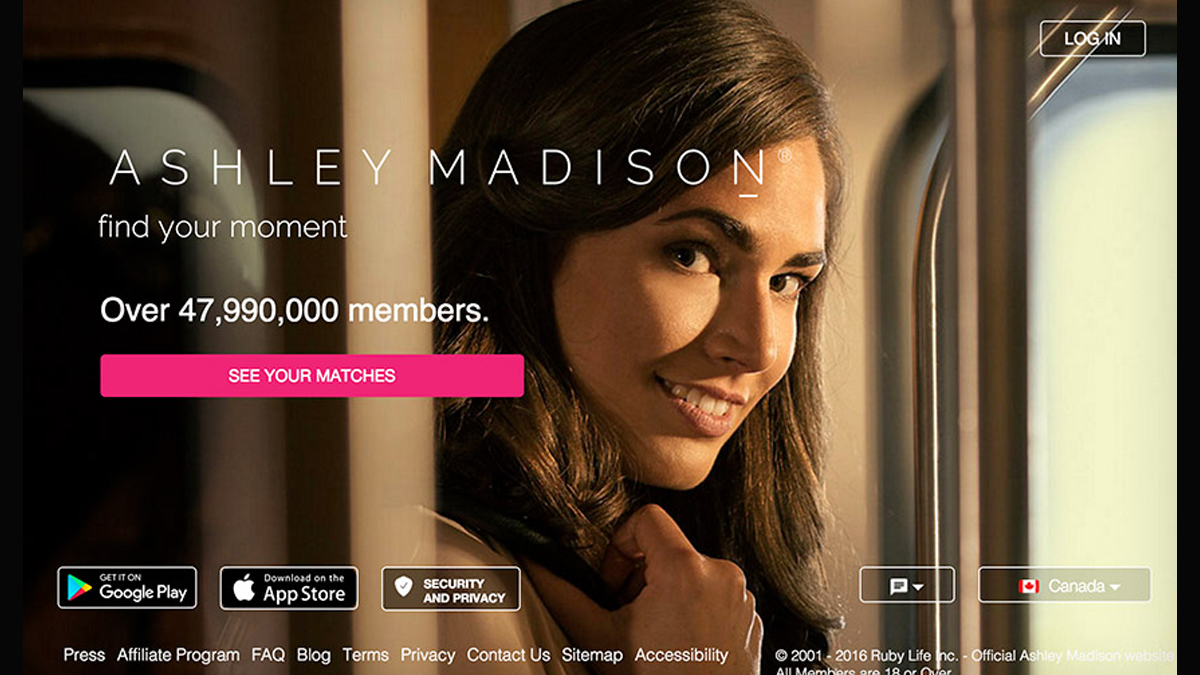
INDIA: Ashley Madison is shedding the “married-dating” label that defined it for two decades, repositioning itself as a platform for discreet dating in what it calls the post-social media age.
The rebrand, unveiled in India on 27 February, 2026, marks a structural shift in business model and identity. Once synonymous with married dating, the company now describes itself as the “premier destination for discreet dating” under a new tagline: Where Desire Meets Discretion.
The pivot is data-driven. Internal figures show that 57 per cent of global sign-ups between 1 January and 31 December, 2025 identified as single: a notable departure from the platform’s married core. The company argues that its community has already evolved beyond its original positioning.

“In an age where our lives have been constantly put on public display, privacy has become the new luxury,” said Ashley Madison chief strategy officer Paul Keable. He framed the platform’s offering as “ethical discretion” for singles, separated, divorced and non-monogamous users seeking private connections.
The shift also taps into wider digital fatigue. A global survey conducted by YouGov for Ashley Madison, covering 13,071 adults across Australia, Brazil, Canada, Germany, India, Italy, Mexico, Spain, Switzerland, the UK and the US, found mounting discomfort with hyper-public online lives.
Among dating app users, 30 per cent cited constant swiping and messaging as a source of fatigue, while 24 per cent pointed to pressure to curate public-facing profiles and early personal disclosure. Some 27 per cent said fears of screenshots or information being shared contributed to exhaustion; an equal share cited unwanted attention.
The retreat from oversharing appears broader. According to the survey, 46 per cent of adults actively try to keep most aspects of their life private online. Only 8 per cent feel comfortable sharing most aspects publicly, while 35 per cent say they are becoming more selective about what they disclose.
Ashley Madison is betting that this cultural recalibration towards controlled visibility can be monetised. By doubling down on privacy infrastructure and reframing itself around discretion rather than infidelity, the company is attempting to convert reputational baggage into a premium proposition.








