Press Release
Rajasthan Royals to partner South Australian Government in exclusive cricketing endeavour

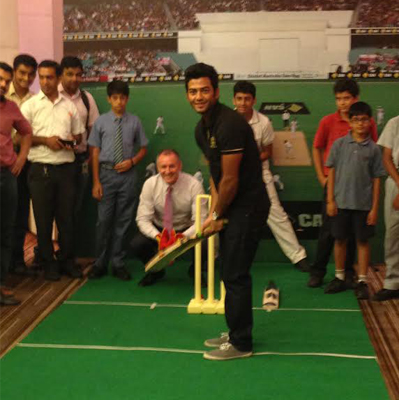
MUMBAI: Rajasthan Royals today announced its association with the South Australian Government in an exclusive cricketing endeavour that will give 15 young Indian cricketers an opportunity to travel to Adelaide, Australia to experience South Australia’s world class cricket facilities as part of Adelaide’s ICC Cricket World Cup 2015 program. Rajasthan Royals will use its expertise to select 15 young cricketers who will make up the Dream Team 15.
Youngsters born between 1st January 1997 to 31 December 1999 will qualify to enter the competition for a chance to be selected. The program will reach out to students from schools from different parts of the country while the selection trials will be held in Delhi and Mumbai in late October / early November 2014 in the search to identify a group of 15 cricketers.

South Australian Premier, The Hon’ble Jay Weatherill who is on an official visit to India today announced that Members of the Dream Team 15 will receive training from top coaches of the South Australian Cricket Association and will play matches against teams of South Australian school boys of the same age.
Addressing the media, Mr. Raghu Iyer, CEO Rajasthan Royals said, “As a team, Royals have identified, nurtured and given playing opportunities to many of India’s top young cricketers. Therefore, it is a privilege for Rajasthan Royals to partner South Australia in a unique endeavor that will help Indian school children receive fine training from top coaches of the South Australian Cricket Association. We thank the South Australian Premier, The Hon’ble Jay Weatherill for taking forward such a commendable undertaking.”
Unmukt Chand was also present from Rajasthan Royals. “I consider myself fortunate to be part of the wonderful Rajasthan Royals family. I use the word family because that’s exactly what we are like when we come together in the form of a team made up of the game’s finest experienced cricketers, fantastic management, and young cricketers like me. I am sure an exciting endeavor such as this will go a long way in inspiring young players to take up the sport professionally and one day, play for the country,” said Unmukt.
Mr Weatherill said “Our objective with this program is to harness the passion that Indians have for the game and provide an opportunity to good cricketers who have the skills and love for cricket, but have not enrolled in a formal training program.”
Adelaide Oval will host what is considered to be one of the biggest matches in the ICC Cricket World Cup 2015 program when defending champions India take on Pakistan on 15 February 2015. The members of the Dream Team 15 will be watching the event which is expected to be a thriller of a match and will leave an aspirational imprint on them.
Ever its inception, the team has been at the forefront in terms of nurturing and promoting new talent.








Bali is full of memorable moments, and some of them involve animals. Temple monkeys tug at bags, beach dogs nap near sunbeds, and cats wander into cafés like they own the place. Most interactions are harmless, but a bite or scratch can change the day quickly, because you may need immediate medical care and follow-up treatment. This is where Bali travel insurance becomes more than a box to tick.
In this article, you will explore whether animal bite treatment is insured, the exclusions, and the steps to claim easily in Bali.
Why Animal Bites in Bali Need Special Attention
Bites are not only about the visible wound. Insurers and doctors both treat them as medical events that can pose an infection risk, especially when the bite breaks the skin.
A scratch that looks small in the moment can still lead to:
● A doctor’s examination and wound cleaning
● Medicines and dressings
● Follow-up consultations if the doctor advises observation or further care
From an insurance perspective, this matters because claims are usually assessed on medical necessity and documentation, not on how dramatic the injury appears in a photo.
How International Travel Insurance Looks at an Animal Bite
Most travel policies are built around emergency medical expenses for unexpected illness or accidental injury abroad. A bite or scratch usually fits the accidental injury bucket, but coverage is rarely blanket.
In many plans, the following may be considered if a doctor prescribes them and bills and medical notes support them:
● Consultation and outpatient treatment
● Emergency care and procedures, such as wound dressing or stitches, if clinically required
● Prescribed medicines and investigations
● Hospitalisation if the treating doctor confirms it is needed
Common Reasons Claims Get Reduced or Rejected
This is the part travellers often miss. Insurers usually do not deny claims because an animal was involved. Claims become difficult when the event looks avoidable, the reporting is delayed, or the paperwork is weak.
Avoidable-Risk Situations Insurers Scrutinise
Policies commonly exclude or limit claims linked to unsafe conduct or preventable exposure. For animal bites, scrutiny may increase if the incident appears connected to:
● Provoking, feeding, or trying to handle wild animals
● Ignoring warning signs at tourist spots
● Being intoxicated at the time of the incident
● Activities that a policy lists as excluded or restricted
The takeaway is simple: if your own description sounds like a risky choice rather than a sudden accident, the insurer may challenge it.
Delays, Missing Papers, and Policy Conditions
Even when your incident is genuinely accidental, claims can still stall due to basics such as:
● Not informing the insurer or assistance partner within the required time
● Missing itemised bills, prescriptions, or clinical notes
● No proof of travel dates or passport entry details when requested
● Submitting only pharmacy slips without a doctor’s consultation record
International travel insurance is paperwork-driven. If you document it well, you reduce the chance of avoidable back-and-forth.
What to Do If You Are Bitten or Scratched in Bali
Your health comes first, always. But a few sensible steps can protect your recovery and keep your insurance file clean.
Medical Steps That Help You and Your Claim
Act fast, stay calm, and get proper care before worrying about bills.
● Clean the wound promptly and seek medical care, even if it seems minor
● Follow the doctor’s advice, including follow-ups if recommended
● Avoid self-medicating in place of a clinical assessment, because insurers often ask for a doctor’s report
Claim Notes and Documents to Collect
Keep these handy; they’ll save time and avoid follow-up questions later.
● Doctor’s notes that mention the nature of injury, treatment given, and advised next steps
● Prescriptions and pharmacy invoices
● Itemised hospital or clinic bills
● A brief written note of where and when it happened, while it is still fresh in your mind
Final Word
Animal bites in Bali are not rare, and they are not always dramatic, which is exactly why travellers underestimate them. Many travel policies can cover bite-related medical treatment when it is accidental and medically necessary, but the outcome depends on your policy terms and the quality of your documentation. If you buy cover thoughtfully, keep the assistance number handy, and respond sensibly if an incident happens, you give yourself the best chance of both good medical care and a smoother claim experience.







