English Entertainment
Pitch breaks barriers on Jimmy Kimmel Live

MUMBAI: We live in times when women are known to be fearless, powerful, intelligent and raring to go. It would not be wrong to state that women today are closer to achieving their dreams, no matter how impossible they may seem, than ever before. Be it the creative or corporate world, there is no industry where women haven’t made their mark. Arts, literature, finance, media, F&B and even sports, there are names of women that shine through in each field. The recent Olympics saw women shine through, winning India accolades with their talent, hard work and admirable skills. However, while success comex their way, it cannot be said that their triumphs are not without struggles. From facing sexism to gender-based doubts about their capability to threats to their general safety – women across the globe still fight battles to be accepted and seen as equals in a number of situations.
The second episode of brand new television series Pitch which premiered on Star World and Star World HD last week, showcases some of the very real struggles women today face inspite of their talent and capabilities. Pitch the story of a young pitcher, Ginny Baker, who becomes the first woman to play Major League Baseball for the San Diego Padres. But proving her mettle in a man’s game is not the only challenges young Ginnay has to face. From proving her worth to being accepted in the team as an equal to facing misogyny not only by her teammates but even her coach, Ginny has her work cut out for her. The second episode of the show, ‘The Interim’ delves deeper into Ginny’s struggles as she tries to establish herself as a baseball player and not just a pretty face.
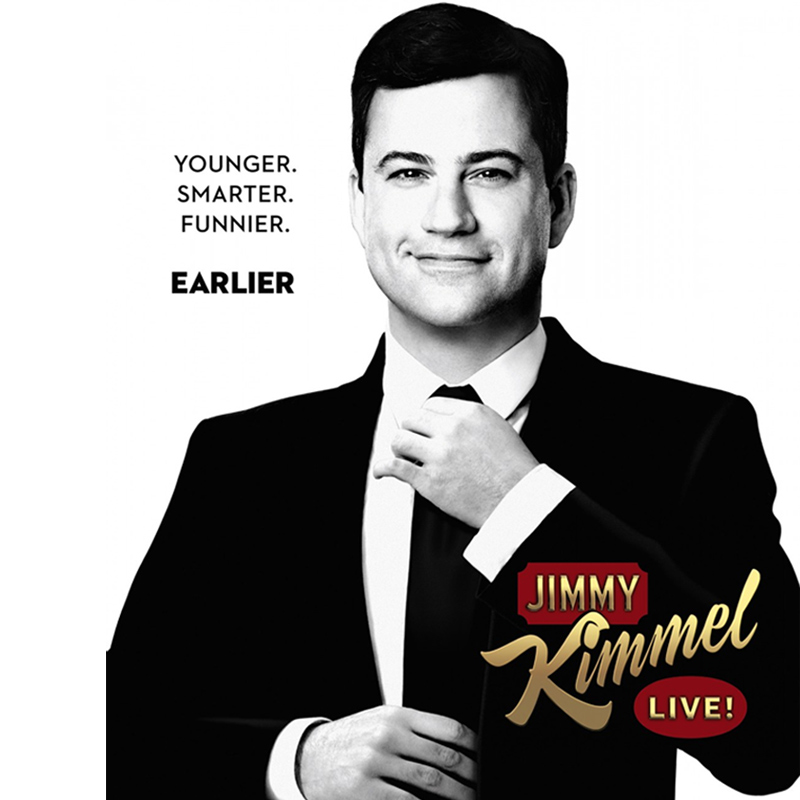
The episode sees the team manager Al face flak for a video, shot a few years before, in which he talks about then AA-League player Ginny and how her beauty means that a lot of his guys would welcome her in the locker room – a sexist comment that simply waves off Ginny’s talent as a player. The episode has Ginny addressing this issue on her appearance on Jimmy Kimmel Live! where instead of taking part in a comedy bit about decorating the clubhouse called “Ginny Baker, Redecoraker”, she uses her time on the show to publicly support Al, calling him a good man, and to comment on a sports-related rape case that’s been in the news. “We don’t need to make sure every girl goes in the right room, we need to make sure that every boy knows it’s wrong to rape,” she says – A strong statement indeed in times when the number of rape cases and cases of violence against women seem to be skyrocketing.

Talking about the episode, co-creator Rick Singer said, “Jimmy couldn’t have been more amazing. We worked a little bit with him in terms of crafting how the scene was going to unfold, but within that we just sort of established that at the top of the scene they were just going to naturally speak to one another. A lot of that banter up top was improv’d. Jimmy was just interviewing Ginny Baker and Kylie was answering as Ginny Baker and it’s very natural and really interesting. Then, they sort of delve into the scene, but it was really fun. We also knew it was her first appearance on a nighttime talk show like this. So we knew that there were going to be these natural nerves on her part that were going to completely work for the scene and work for the character because it’s Ginny’s first appearance as well.”
He further added, “I have to give enormous credit to Kylie because we did this during a Jimmy Kimmel Live taping. They had an extended commercial break, but we had one take. We did that in one take and Kylie just absolutely nailed it. We were sitting there in the green room and all just on pins and needles because we knew there was no margin for error and it just came off perfectly. The actual words themselves were written by Dan Fogelman and that’s never a bad thing. It was really well done. I think we are really able to straddle that line without getting too preachy, but making a very valid point and the fact that all of these stories that get nationalized and become about other things when they’re really very simple stories about the fact that victims get blamed all the time, things get politicized. When it really just comes down to it, she says it’s just a question of right and wrong. I think Dan wrote the scene beautifully and Kylie delivered it. Delivering it on Kimmel in that way, it really came alive with that live studio audience reacting spontaneously. The audience had no idea what the content was. They had no idea what the context was. Ultimately, what they ended up hearing was this speech and it’s just a natural response once they figured out what the scene is about and what she was saying.”
Pitch airs on the channel every Tuesday at 9 pm.






English Entertainment
ZEE5 UK partners Narrative Entertainment to add UK channels
Six FAST channels added as platform sharpens hybrid play in Britain
LONDON: ZEE5 UK struck a first-of-its-kind deal with Narrative Entertainment, bringing mainstream UK television channels onto an Indian streaming platform as it pushes to deepen its footprint in a crowded, mature market.
The partnership adds six of Narrative’s FAST channels to the service, including Great! Movies, Great! Romance, Great! Mystery and kids brands POP, Tiny Pop and POP UP, widening ZEE5 UK’s appeal across genres and age groups.
The move reflects a clear shift in strategy. ZEE5 UK is betting on a hybrid model that blends on-demand content with curated, always-on channels to drive discovery and increase time spent on the platform.
“This partnership represents a meaningful evolution in how we serve audiences in mature markets like the UK, where viewers are defined by habits, convenience and choice rather than geography or language alone,” said Parul Goel, territory head, Europe, Zee Entertainment. “By bringing trusted mainstream UK channels together with our premium originals, movies and kids’ content, we are building a more consumer-centric platform that simplifies viewing while increasing depth and relevance.”
Fateha Begum, commercial director, Narrative Entertainment, said the tie-up would fuel growth for both sides. “Our portfolio of quality programming, with such wide and enduring appeal, is a perfect complement to ZEE5 UK. This is a strong partnership that will support growth for both parties, and we share Zee Entertainment’s vision of an increasingly partnership-led future for the industry.”
ZEE5’s global library spans over 4,000 films and more than 500 originals, with over 130 new titles added annually. The addition of Narrative’s channels strengthens its kids offering and introduces genre-led linear experiences alongside its on-demand catalogue.
The deal also gives Narrative access to ZEE5 UK’s fast-growing user base, extending reach without diluting brand identity, while reinforcing ZEE5 UK’s network of more than 40 live channels.
As streaming wars intensify, ZEE5 UK is widening its playbook, blending content, convenience and partnerships in a bid to win screen time in one of the world’s toughest markets.






