News Broadcasting
Oye! 104.8 FM resounds to Ganpati Bappa Morya


NEW DELHI: Oye! 104.8 FM Sabse Filmi has set the tone for the Ganesh Chaturti Celebrations by both on air and on ground activities that celebrate the festive spirit. Oye FM has its presence at two of the biggest and richest Pandals in Mumbai, Lalbaugcha Raja, Parel and GSB Ram Mandir, Wadala to reach out to the lakhs celebrating the festival. The station is doing Live Aarti from the Pandals along with interactions with the visitors and taking their song requests on air. A lot of listeners on Oye! FM who were winners on on-air contests got a chance to get exclusive access to the special Morning Aarti without waiting in queue.
In a special initiative around Ganesh Chaturti, Oye FM is taking song requests from listeners and a few selected songs will be made into a special music album called Oye! All Time Sabse Filmi. The music album will be created and retailed across the county by Sony DADC.

‘Aapke Ghar – Mumbai ki Aarti’ is another initiative by Oye! FM where the spirit of the festival was taken to homes of listeners, where an Oye! FM RJ celebrated the festival and gifted a box of sweets/gift hamper to the winning family. In addition the RJs performed a special edition of the Aarti at the Oye! studio for the betterment of the City of Mumbai.
For a social cause, OYE! 104.8 FM has tied up with United Way Mumbai, an independent body which focuses on cleanliness in the city by educating and assisting BMC in running the program. The station is promoting responsible Ganpati celebrations and proper disposal of the waste during the festival like garlands, fruits etc. The representatives of United Way Mumbai have been coming to the Oye FM studio to discuss the hazards of pollution post ‘visarjan’. OYE! 104.8 FM will also be part of the clean up drive on 19th September at Juhu beach and will join hands with Untied Way Mumbai volunteers to keep the beaches of the city clean.
To give the Filmi touch to Ganesh Chaturti, Oye! FM RJs in Mumbai will also be visiting the homes of the Bollywood Stars and celebrate the festival with them in their own way. Oye! FM has been part of evening aartis of celebs like Vivek Oberoi, Shilpa Shetty, Anil Kapoor, Neil Nitin Mukesh to name a few. In addition a lot of celebs including, Amrita Rao, Isha Koppikar, Chief Minister Prithiviraj Chauhan and Gurudas Kamat have already been part of Oye FM celebrations at the Pandals







News Broadcasting
CNN-News18 to host Fury in the Gulf conclave on West Asia crisis
Three-hour summit to unpack geopolitical fallout and impact on India
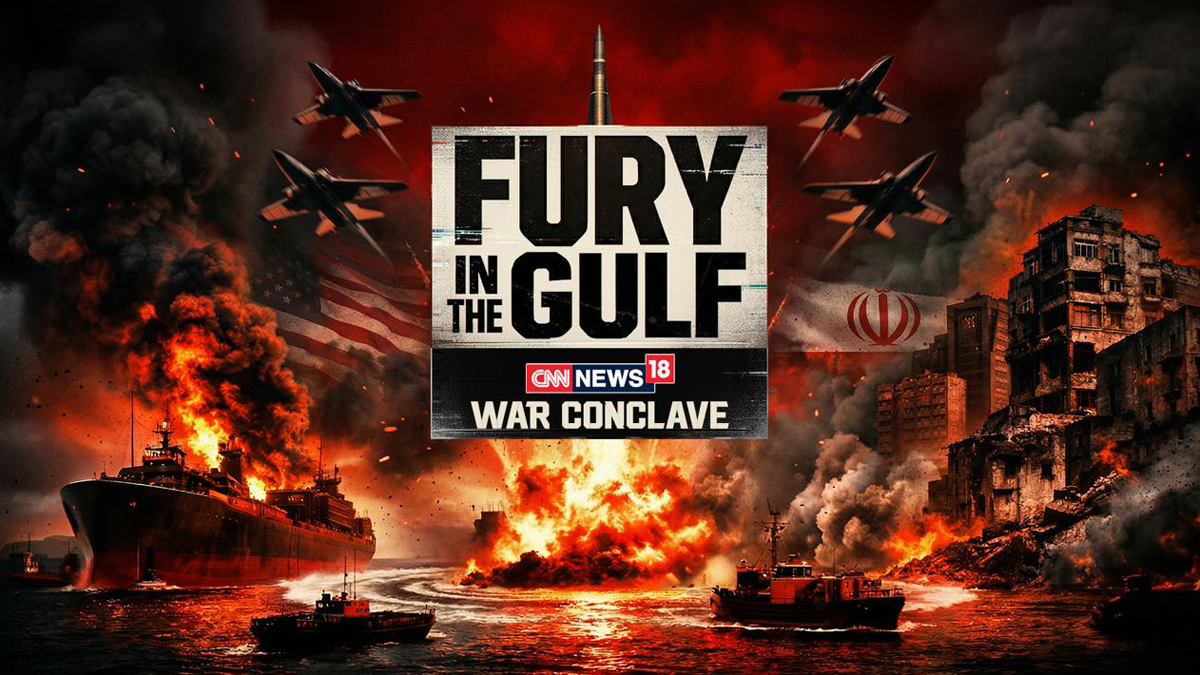
MUMBAI: CNN-News18 is set to host a special three-hour broadcast, Fury in the Gulf – War Conclave, on April 7, aiming to decode the escalating West Asia crisis and its far-reaching implications for India.
Scheduled from 4:00 PM to 7:00 PM, the conclave comes at a time when tensions between Iran and the United States are reshaping global geopolitics and triggering economic uncertainty. With India’s deep energy ties, trade links and large diaspora in the Gulf, the developments carry significant domestic relevance.
Built around the theme ‘Conflict, Consequences, and The Future,’ the programme will feature six curated sessions combining one-on-one interviews and panel discussions. The focus is to cut through the clutter and offer viewers a clearer understanding of the fast-evolving situation.
Key sessions include ‘Diplomacy in Times of War’ featuring Shashi Tharoor, and ‘World After the Iran Conflict’ with voices such as Ram Madhav, Reuven Azar, representatives from the European Union and the Iranian Deputy Envoy. Another session titled ‘Another Dunkirk?’ will bring together K. J. S. Dhillon and Jitin Prasada among others.
CNN-News18 editorial affairs director Rahul Shivshankar said, “In times of war, clarity becomes the most powerful tool. Fury in the Gulf – War Conclave brings together credible voices to address the questions and confusion that arise amid an overwhelming influx of information.”
He added that the initiative is aimed at delivering “facts, perspective, and insight” at a time when misinformation can easily cloud public understanding.
Echoing the sentiment, CNN-News18 CEO– English and business news Smriti Mehra said the conflict marks a defining global moment, with consequences that extend well beyond the region. She noted that the conclave seeks to present the crisis with “depth, nuance and responsibility” so audiences can better grasp its real-world impact.
As geopolitical tensions continue to dominate headlines, the conclave positions itself as an attempt to bring order to the noise, offering viewers a structured, insight-led look at a complex and rapidly shifting global situation.






