News Broadcasting
MTV ACT Urges the Youth To Act This October With


MUMBAI: MTV, India’s leading youth channel is not just about music and entertainment; it is also about collaborating with young India to contribute to the social causes. MTV through their own pro social platform, MTV ACT engages with over 20 NGOs and independent organizations to support cause-based initiatives. The month of October saw MTV ACT going all out to create awareness and raise funds for the betterment of the underprivileged.
Beginning of October, MTV ACT joined hands with the crowd sourcing platform Hope Monkey to crowd fund a school for the world’s youngest headmaster in India. During the Joy of Giving week in October, MTV ACT and Hope Monkey came together to encourage the youth to have a big heart and drive the cause of education through funding the school. Hope Monkey is a crowd-source platform that gives the power to all Micro-Philanthropists to bring about change the world. The current initiative focuses on breathing life into the dreams of Babar Ali, who is also the world’s youngest headmaster at 16 years, to build a school. Now, at 21, Babar is looking to expand his backyard school to accommodate all the eager little learners in Murshidabad.
“You may think that just donating what you would spend on your morning coffee won’t make a difference, but this initiative will prove you wrong. The association with Hope Monkey is true sense is reflection of the MTV ACT philosophy of Every Action Counts. By collecting every penny donated by the young generation, Hope Monkey and MTV ACT aims to raise a corpus to support the dreams of better tomorrow.” said Sumeli Chatterjee, Head- Marketing & Insights, MTV India.

Helping the under-privileged in realizing their dreams, MTV ACT in association with the NGO Navnirmiti supported an initiative called Maha Mandi. A one of its kind event which is held every year, Maha Mandi is organized by NITIE in Mumbai. MAHA MANDI invites students from top B-schools around the country to sharpen their sales and marketing skills by selling simple NGO made products to commoners on the streets of Mumbai. The revenue hence collected is donated to charitable institutions as a token of respect and support for the noble cause they pursue. This witnessed participation from over 1000 MBA students who engaged in direct sales of the educational toys on the streets of Mumbai.
Speaking about this initiative, Sumeli Chatterjee, Head – Marketing & Insights, MTV India, said, “MTV ACT constantly strives to support various initiatives that are created by the young generation and are a step towards do-good to the overall society. Maha Mandi is in the entrepreneurial spirit of the students which teaches them different aspects of business while raising funds for a social cause.”
Furthering the MTV ACT ‘s partnership with the initiative YOU For Uttarakhand, the third music relief concert was organized in Bangalore on October 12, 2013. The concert was organized to raise funds in aid of the tragic Uttarakhand Floods which affected scores of villages and its inhabitants in the state. The line-up for the concert included leading acts by Thermal and a Quarter (TAAQ), Until We Last, Girish and the Chronicles, Solder and Moonarra. The proceeds were donated to Save the Children who is working closely to build lives of Children and families who were affected by the floods.
For those who wish to do their bit for the society can log on to mtv.in.com/act and donate for a cause that touches their heart or they can simply select any one or more causes that they would like to lend support to by simply spreading the word through their social media profile. Youth can support across causes by donating time through voluntary work or money to the NGOs working for various causes.






News Broadcasting
CNN-News18 to host Fury in the Gulf conclave on West Asia crisis
Three-hour summit to unpack geopolitical fallout and impact on India
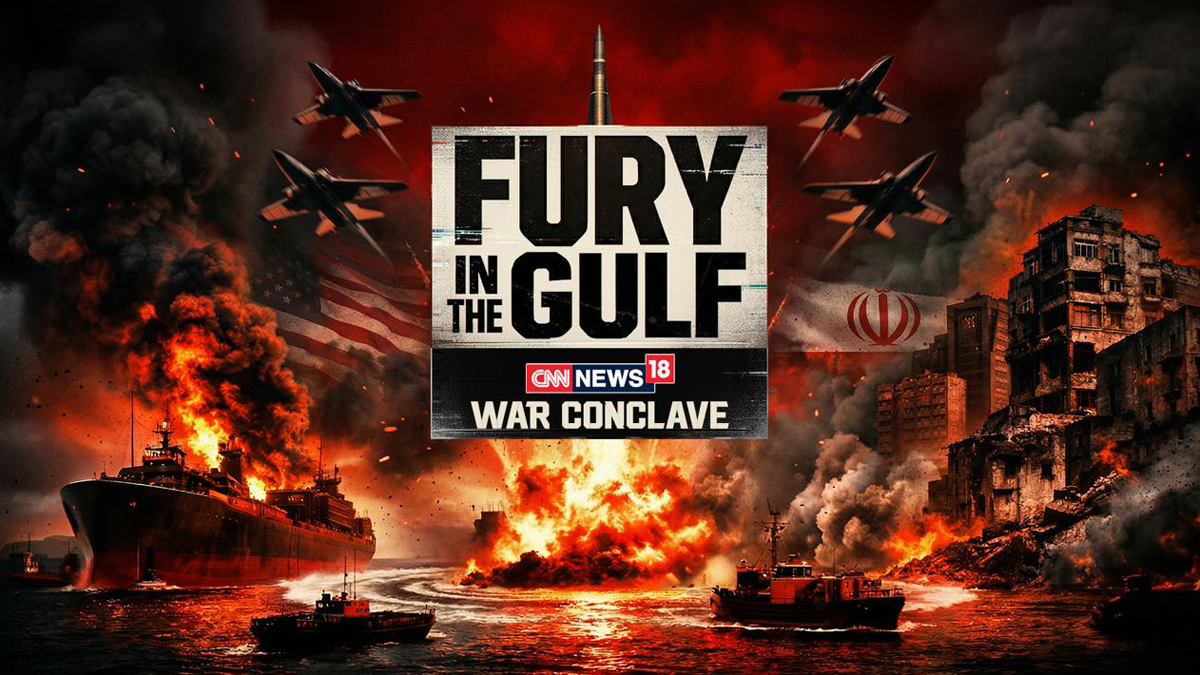
MUMBAI: CNN-News18 is set to host a special three-hour broadcast, Fury in the Gulf – War Conclave, on April 7, aiming to decode the escalating West Asia crisis and its far-reaching implications for India.
Scheduled from 4:00 PM to 7:00 PM, the conclave comes at a time when tensions between Iran and the United States are reshaping global geopolitics and triggering economic uncertainty. With India’s deep energy ties, trade links and large diaspora in the Gulf, the developments carry significant domestic relevance.
Built around the theme ‘Conflict, Consequences, and The Future,’ the programme will feature six curated sessions combining one-on-one interviews and panel discussions. The focus is to cut through the clutter and offer viewers a clearer understanding of the fast-evolving situation.
Key sessions include ‘Diplomacy in Times of War’ featuring Shashi Tharoor, and ‘World After the Iran Conflict’ with voices such as Ram Madhav, Reuven Azar, representatives from the European Union and the Iranian Deputy Envoy. Another session titled ‘Another Dunkirk?’ will bring together K. J. S. Dhillon and Jitin Prasada among others.
CNN-News18 editorial affairs director Rahul Shivshankar said, “In times of war, clarity becomes the most powerful tool. Fury in the Gulf – War Conclave brings together credible voices to address the questions and confusion that arise amid an overwhelming influx of information.”
He added that the initiative is aimed at delivering “facts, perspective, and insight” at a time when misinformation can easily cloud public understanding.
Echoing the sentiment, CNN-News18 CEO– English and business news Smriti Mehra said the conflict marks a defining global moment, with consequences that extend well beyond the region. She noted that the conclave seeks to present the crisis with “depth, nuance and responsibility” so audiences can better grasp its real-world impact.
As geopolitical tensions continue to dominate headlines, the conclave positions itself as an attempt to bring order to the noise, offering viewers a structured, insight-led look at a complex and rapidly shifting global situation.






