Press Release
La Pegasus Polo International XPL Team to be the only Indian Owned Team and Foreign Team at the Inaugural Edition of X-treme Polo League (XPL)

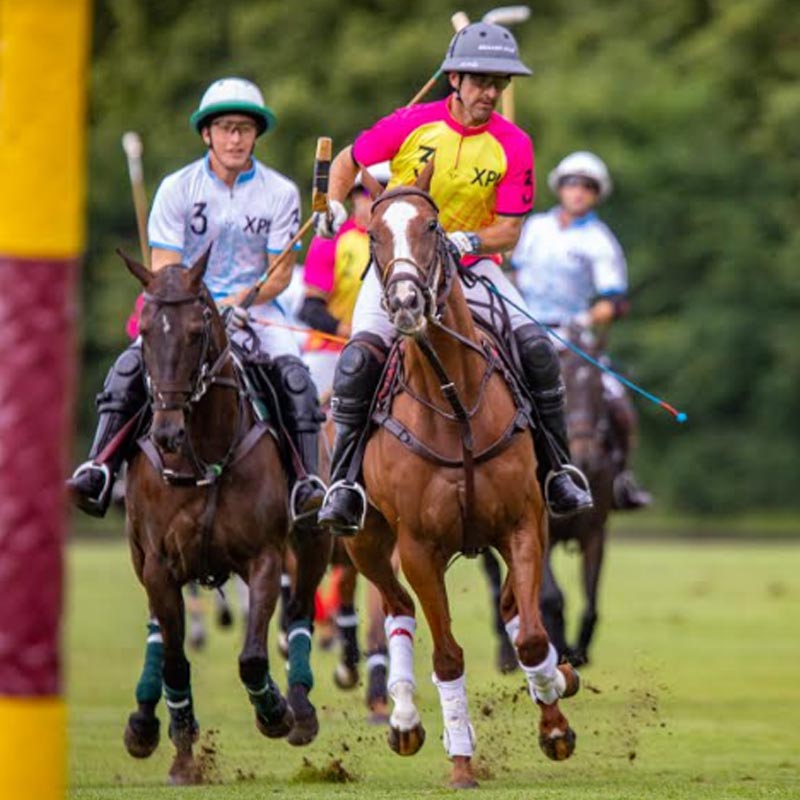
Mumbai based La Pegasus Polo, founded by Sanjay Jindal and one of India’s upcoming Premiere Polo Establishments, today announced that they would field an International Team in the Inaugural Edition of the X-treme Polo League (XPL), a concept envisioned by former Argentine Polo player Juan Zavalia and inspired by India’s very own Indian Premier League (IPL), to popularize the sport of Polo in the world.
The XPL has been devised as eventually becoming a Global League from 2020, with the Inaugural Edition, with a total prize money of US$724,000, set to begin just before the start of the Spring Polo Season in Argentina, a country well known, to be the best in Polo for a long time and having the game’s best players.
The announcement makes La Pegasus Polo International XPL Team, the only Indian owned and Foreign Franchise in the world’s first ever Professional Polo league.

Commenting on the development, Sanjay Jindal, Patron & Founder, La Pegasus Polo said, “After renewing the Partnership with the Argentina Open Polo Championship, we felt it was only natural for us to Partner with a Revolutionary New concept, having an immense potential to popularize the game of Polo. It is another proud moment in La Pegasus Polo’s journey, as it could not be that such great strides were being made in the game and India, the land of Polo’s birth, could be left out. We look forward to the day when the XPL is played in India.”
Juan Zavalia, founder of EBI Media Holdings who will administer the League said, “This is a very welcome step and we appreciate the vision and passion continuously demonstrated by Mr. Sanjay Jindal and La Pegasus Polo in spreading and popularizing the game. We wish him and his XPL Team all the very best in the Inaugural Edition and we look forward to the day when the XPL will be played in the land where it all began, India”
XPL is scheduled to begin from the September 25, 2019 and The Finals slated for October 5, 2019 to be held at the PILAR Polo grounds – Buenos Aires in Argentina.
The League will see franchises bought by big names in Polo such as Ellerstina, Las Monjitas, La Ensenada, La Albertina Abu Dhabi, La Pegasus, La Aguada, La Alegria and Thai Polo. Some of the prominent names to feature in the league include the likes of the Facundo Pieres, the Castagnola Brothers – Camilo Castagnola and B. Castagnola, Mariano Auerre and Miguel N. Astrada, to name a few.
The XPL will consist of players wherein the sum of all the players’ handicap within a team should be between 28-34 handicaps. Each team is allowed a maximum a two players with a handicap of 10. As far as the rules of the game go, there will be six chukkers of 6:30 min each and for the first time in Polo, player changes (substitutions) are going to be allowed during the game. To add more excitement to the game, goals scored from outside the 80-yard line will count as double.
The XPL plans to move to places like the USA, UK, France, Spain, Dubai and Qatar, in the coming years besides Argentina and plans are afoot to bring it to India by 2021 as per Zavalia and his organization EBI Media Holdings.


Bali is full of memorable moments, and some of them involve animals. Temple monkeys tug at bags, beach dogs nap near sunbeds, and cats wander into cafés like they own the place. Most interactions are harmless, but a bite or scratch can change the day quickly, because you may need immediate medical care and follow-up treatment. This is where Bali travel insurance becomes more than a box to tick.
In this article, you will explore whether animal bite treatment is insured, the exclusions, and the steps to claim easily in Bali.
Why Animal Bites in Bali Need Special Attention
Bites are not only about the visible wound. Insurers and doctors both treat them as medical events that can pose an infection risk, especially when the bite breaks the skin.
A scratch that looks small in the moment can still lead to:
● A doctor’s examination and wound cleaning
● Medicines and dressings
● Follow-up consultations if the doctor advises observation or further care
From an insurance perspective, this matters because claims are usually assessed on medical necessity and documentation, not on how dramatic the injury appears in a photo.
How International Travel Insurance Looks at an Animal Bite
Most travel policies are built around emergency medical expenses for unexpected illness or accidental injury abroad. A bite or scratch usually fits the accidental injury bucket, but coverage is rarely blanket.
In many plans, the following may be considered if a doctor prescribes them and bills and medical notes support them:
● Consultation and outpatient treatment
● Emergency care and procedures, such as wound dressing or stitches, if clinically required
● Prescribed medicines and investigations
● Hospitalisation if the treating doctor confirms it is needed
Common Reasons Claims Get Reduced or Rejected
This is the part travellers often miss. Insurers usually do not deny claims because an animal was involved. Claims become difficult when the event looks avoidable, the reporting is delayed, or the paperwork is weak.
Avoidable-Risk Situations Insurers Scrutinise
Policies commonly exclude or limit claims linked to unsafe conduct or preventable exposure. For animal bites, scrutiny may increase if the incident appears connected to:
● Provoking, feeding, or trying to handle wild animals
● Ignoring warning signs at tourist spots
● Being intoxicated at the time of the incident
● Activities that a policy lists as excluded or restricted
The takeaway is simple: if your own description sounds like a risky choice rather than a sudden accident, the insurer may challenge it.
Delays, Missing Papers, and Policy Conditions
Even when your incident is genuinely accidental, claims can still stall due to basics such as:
● Not informing the insurer or assistance partner within the required time
● Missing itemised bills, prescriptions, or clinical notes
● No proof of travel dates or passport entry details when requested
● Submitting only pharmacy slips without a doctor’s consultation record
International travel insurance is paperwork-driven. If you document it well, you reduce the chance of avoidable back-and-forth.
What to Do If You Are Bitten or Scratched in Bali
Your health comes first, always. But a few sensible steps can protect your recovery and keep your insurance file clean.
Medical Steps That Help You and Your Claim
Act fast, stay calm, and get proper care before worrying about bills.
● Clean the wound promptly and seek medical care, even if it seems minor
● Follow the doctor’s advice, including follow-ups if recommended
● Avoid self-medicating in place of a clinical assessment, because insurers often ask for a doctor’s report
Claim Notes and Documents to Collect
Keep these handy; they’ll save time and avoid follow-up questions later.
● Doctor’s notes that mention the nature of injury, treatment given, and advised next steps
● Prescriptions and pharmacy invoices
● Itemised hospital or clinic bills
● A brief written note of where and when it happened, while it is still fresh in your mind
Final Word
Animal bites in Bali are not rare, and they are not always dramatic, which is exactly why travellers underestimate them. Many travel policies can cover bite-related medical treatment when it is accidental and medically necessary, but the outcome depends on your policy terms and the quality of your documentation. If you buy cover thoughtfully, keep the assistance number handy, and respond sensibly if an incident happens, you give yourself the best chance of both good medical care and a smoother claim experience.