People
Janmat Abhiyaan continues once spots the trapdoors to death

Mumbai 10th July 2006. The Janmat Abhiyaan crusade against the city’s bad roads and open manholes has now been taken one step further. From 10th July 2006, JANMAT along with campaign partner LOKSATTA, Maharastra’s premier daily newspaper, continues the campaign with a silent protest against the open manholes by spotting Mumbai’s 10 most dangerous manholes and deploying human banners that will be stationed at each of the spot asking the authorities as to when these manholes would be covered ?. The channel will also make arrangements to het the common man’s view on the issue.
It is a well-known agenda of the BMC, that once work is done on manholes, the BMC never replaces the lids on time, leading to scores of unaccounted deaths by drowning during waterlogging. Recently, a suo moto action was accepted by Mumbai High Court, based on a complaint filed by Dr Sandeep Rane in 2005. The High Court accepted a PIL on this issue. On 7th June 2006, the High Court ordered the BMC and Thane Municipal Corporation to complete the repairs within 7 days. Instead of getting the work done, the BMC applied for an affidavit stating that the repair work was already carried out.
In actual reality, lot was left to be desired. When Janmat’s team visited hot spots as recently as Tuesday, 27th June in areas ranging from Bandra to Dahisar, hundreds of manhole covers were found missing, with no repair work attempted at all. So what was the BMC affidavit all about? It appears that contempt of court is small change for BMC.

The Janmat Abhiyaan launched recently throughout the city of Mumbai has received a very positive response from concerned citizens who have left their imprint in the widespread signature campaign they had undertaken. Many celebs from Bollywood and the TV industry joined in to extend their hand of support for a better Mumbai. Known for its in-depth and prompt reportage, JANMAT along with LOKSATTA, has gone a step ahead and will continue in it’s fight for a better Mumbai to make a change in the way citizens engage with their leaders and make them accountable for their actions.
JANMAT has taken upon itself not to stop at only promoting news and views but instead go beyond the obvious. The channel has gone BEYOND NEWS; to occupy a space that takes the active support of the citizens to change the way governance is handled in India.
List of 10 dangerous manhole spots:
– Vile Parle (E), Western Express Highway.
– MMRDA Office, Western Express Highway, Towards Vakola
– Juhu Circle
– Kandivaili, S.V Road
– Dahisar, Western Express Highway, (3 Manholes)
– The Hub Mall
– Andheri Flyover
– Mith Chowky signal, Malad
– Milan Subway, Vile Parle
– Borivali, S.V. Road
Launched in November with a vision to empower every Indian, ‘Janmat’ provides an opportunity for a pro-active working for a resolution of issues. India’s first 24-hour views channel, Janmat, makes the audience the hero.
For further information please contact:
Rina Dasgupta: 9821142424
Verus Ferreira: 9819510183
Riddhi Kapadia: 9867390985

People
BBC appoints Matt Brittin as 18th Director-General
Former Google EMEA president to lead broadcaster from May amid global change
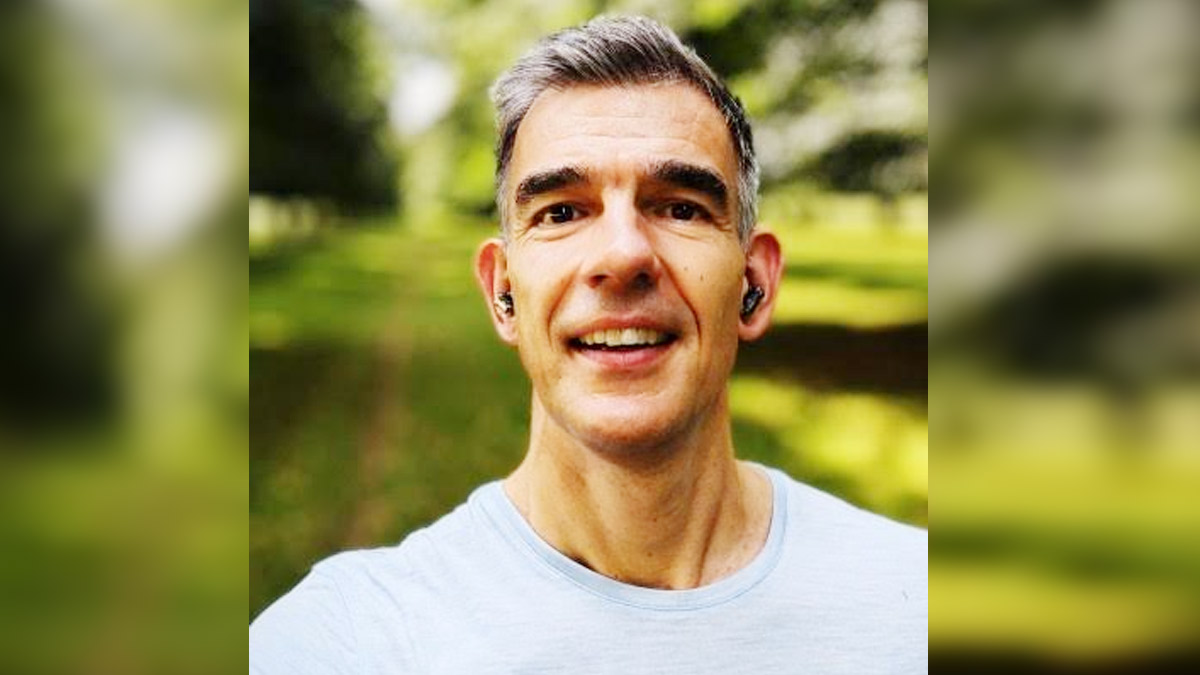
LONDON: The BBC has named Matt Brittin as its 18th Director-General, placing a seasoned technology and media leader at the helm of one of the world’s most influential public broadcasters. He will formally assume the role on 18 May.
Brittin steps into the position after a brief “gap year”, as he described it, returning to the spotlight with a job that, in his own words, was “probably not one either you or I were expecting”. The appointment signals a strategic tilt towards digital expertise at a time when traditional broadcasting continues to evolve at pace.
The new Director-General brings more than 18 years of experience from Google, where he held several senior roles, including President for Europe, the Middle East and Africa. During his tenure, he played a central role in expanding the company’s footprint across Europe and shaping its regional strategy.
More recently, Brittin served as Senior Independent Director at The Guardian, adding boardroom insight from one of Britain’s leading news organisations. His career also spans roles at McKinsey, Trinity Mirror and Sainsbury’s, giving him a broad perspective across media, retail and strategy.
The Director-General position carries dual responsibility as chief executive officer and editor-in-chief, overseeing the BBC’s creative, editorial and operational direction both in the UK and globally. It is a role that demands not just leadership, but a steady editorial compass in an increasingly complex media landscape.
“Now, more than ever, we need a thriving BBC that works for everyone in a complex, uncertain and fast changing world,” Brittin said. He added that the broadcaster remains “an extraordinary, uniquely British asset” with a legacy of innovation in storytelling and technology.
His appointment comes at a moment when public service broadcasters are under pressure to balance tradition with transformation, navigating shifting audience habits, digital disruption and funding debates. Brittin’s blend of Silicon Valley scale and British media sensibility may prove timely.
With “big challenges and big opportunities” ahead, Brittin appears ready to get started. The real test begins in May, when he moves from anticipation to action at Broadcasting House.






