News Broadcasting
India Today-Axis-My-India exit poll mechanism enters Harvard Business Class

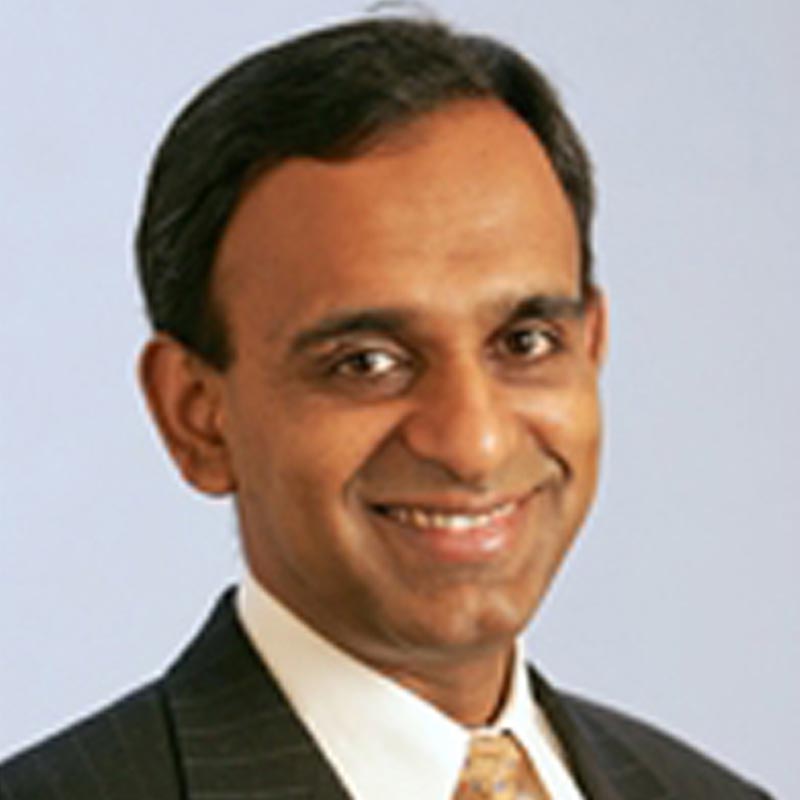
NEW DELHI: Known for its most accurate predictions, the India Today Group’s exit-poll mechanism has made its way to the Harvard Business School curriculum.
The India Today-Axis-My-India post-poll surveys have given the most definitive predictions in about 95 per cent of all the elections that took place in the country between 2013 and 2020.
Now, the same research and multi-layered mechanism has become the first ever case study built by the Ivy League business school.

The case study, now part of the HBS’ classroom course on elections, highlights the complexity associated with successfully predicting elections in the world’s largest democracy, with all its diversity, varied geographies, shared international borders, sprawling rural populations and 23 different languages.
The case study, written by professor Ananth Raman, senior associate Ann Winslow and research associate Kairavi Dey, discusses the process that goes behind forecasting elections in India and the methods the channel uses to analyse data along with the research firm to reach accurate forecasts – from selection of field surveyors, hiring and training, data-collection technology, quality auditing, data analysis to final forecasting.
India Today Group is delighted to be associated with Axis-My-India and this global recognition. The association goes strong for years and the results are a testimony to the most focused research and proven methodology.
UPS Foundation professor of business logistics chair, OPM, HBS Professor Ananth Raman stated that predicting elections accurately in an extremely complex country like India is indeed challenging.
The case study, which illustrates numerous operational details, including those associated with training surveyors and moving them across different locations based on their linguistic and socio-economic identities to get a feel of the electorate’s pulse, will inspire students at the Harvard Business School to create their own entrepreneurial journey, he noted.
Professor Raman also mentioned that while they have seen numerous examples of experienced organisations struggling to predict election outcomes in the recent past, this case illustrates how a robust mechanism devised a process to predict outcomes most accurately.
What sets it apart from all the other competitive surveys is its reach across the length and breadth of the country (700+ districts), an average survey size of over five lakh people for national surveys, GPS-enabled tablets to maintain geographical sanctity, as well as computer-aided questionnaires backed by social intelligence to garner maximum data veracity.





News Broadcasting
CNN-News18 to host Fury in the Gulf conclave on West Asia crisis
Three-hour summit to unpack geopolitical fallout and impact on India
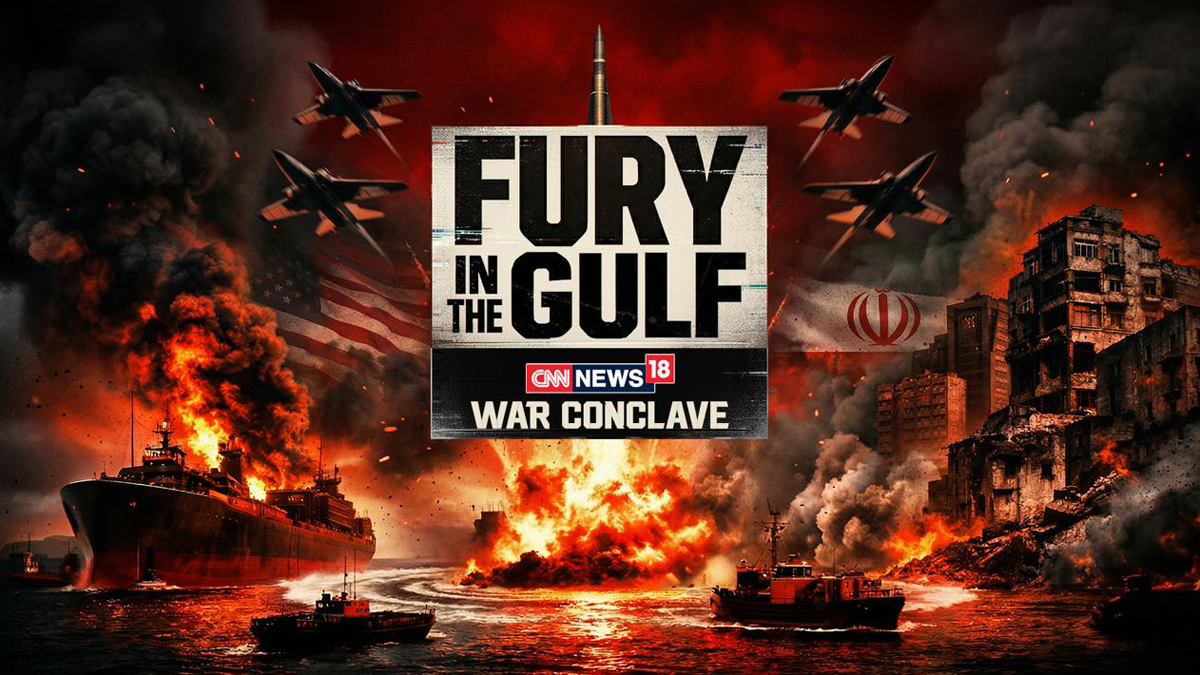
MUMBAI: CNN-News18 is set to host a special three-hour broadcast, Fury in the Gulf – War Conclave, on April 7, aiming to decode the escalating West Asia crisis and its far-reaching implications for India.
Scheduled from 4:00 PM to 7:00 PM, the conclave comes at a time when tensions between Iran and the United States are reshaping global geopolitics and triggering economic uncertainty. With India’s deep energy ties, trade links and large diaspora in the Gulf, the developments carry significant domestic relevance.
Built around the theme ‘Conflict, Consequences, and The Future,’ the programme will feature six curated sessions combining one-on-one interviews and panel discussions. The focus is to cut through the clutter and offer viewers a clearer understanding of the fast-evolving situation.
Key sessions include ‘Diplomacy in Times of War’ featuring Shashi Tharoor, and ‘World After the Iran Conflict’ with voices such as Ram Madhav, Reuven Azar, representatives from the European Union and the Iranian Deputy Envoy. Another session titled ‘Another Dunkirk?’ will bring together K. J. S. Dhillon and Jitin Prasada among others.
CNN-News18 editorial affairs director Rahul Shivshankar said, “In times of war, clarity becomes the most powerful tool. Fury in the Gulf – War Conclave brings together credible voices to address the questions and confusion that arise amid an overwhelming influx of information.”
He added that the initiative is aimed at delivering “facts, perspective, and insight” at a time when misinformation can easily cloud public understanding.
Echoing the sentiment, CNN-News18 CEO– English and business news Smriti Mehra said the conflict marks a defining global moment, with consequences that extend well beyond the region. She noted that the conclave seeks to present the crisis with “depth, nuance and responsibility” so audiences can better grasp its real-world impact.
As geopolitical tensions continue to dominate headlines, the conclave positions itself as an attempt to bring order to the noise, offering viewers a structured, insight-led look at a complex and rapidly shifting global situation.






