News Broadcasting
House Of Tales – Kalaghodas first contemporary event gallery

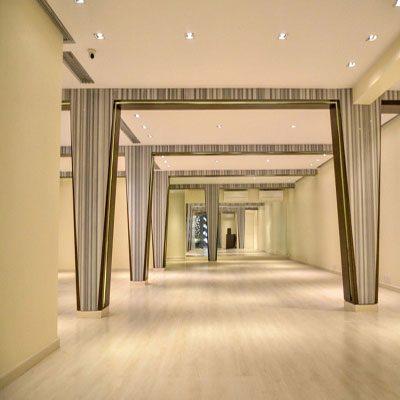
MUMBAI: The crescent-shaped Kala Ghoda, a tourist attraction has always been synonymous with Mumbai’s art scene. The area which is known to comprise museums, art galleries, educational institutions, boutiques and restaurants is now home to House of Tales, a cross disciplinary event gallery. The gallery promises to be the ultimate hub where your event meets success. It’s the best place for freedom of expression, be it art, comedy, design or oratory.
House of Tales flexibly caters to events of diverse nature, from art viewings and lifestyle exhibitions to corporate conclaves, talks, and banquets. Launched in the first week of October, 2013, House of Tales has already been the chosen venue for Singapore’s Consul General, Lin Chung Yin with Payal Nayar and Shalaka Ranadive of Dragon Fly Productions launched their book – A Monsoon Feast at the gallery. House of Tales also served as a platform for the online home décor brand, The Home Label, to host a pop up store for their patrons to showcase Diwali collection hand-picked by Sussanne Roshan.
Introduced by young entrepreneur, Neha Sheth, the idea was to enable each one to create their own stories with assistance from professionals. With a strong background of event management and public relations, Neha is now looking forward to making House Of Tales a success. At House of Tales the team assists its patrons and shares the responsibility at every step. From assisting on creative input, catering, conceptualizing, research, photography, event set-up, management, logistics, production to final execution, it provides all services under one roof.

Talking about the gallery, Neha Sheth, Director, says, “At House Of Tales, we aim to promote events that engage, provoke, and inspire. It is versatile in nature and yours to design with any occasion you may want to celebrate and host at the venue, public or private. The House Of Tales will be a place where people of all ages can come together and connect through its diversity of events, where imaginations will be stirred and creativity encouraged at its best.”
Fusing to Kala Ghoda’s artistic charm and yet looking chic and modern, Flamingo Interiors has given the gallery a contemporary, woody and a rusty touch. The interiors mirror the ideology of the gallery and also have a fine balance between elegance and edge. The entrance of the gallery looks beautiful with the razor sharp pillars clad with Turkish Marmara marble, which seamlessly blend with the Italian Venatino marble and the light grey flamed granite. Like an unexpected tale, Wene has given an unexpected twist to modern furniture.
The space can be adorned to suit your individual preferences and accommodate any and all of your needs. The versatility of the space is sure to transform your vision into a reality creating a new tale emerged from your idea.

News Broadcasting
CNN-News18 to host Fury in the Gulf conclave on West Asia crisis
Three-hour summit to unpack geopolitical fallout and impact on India
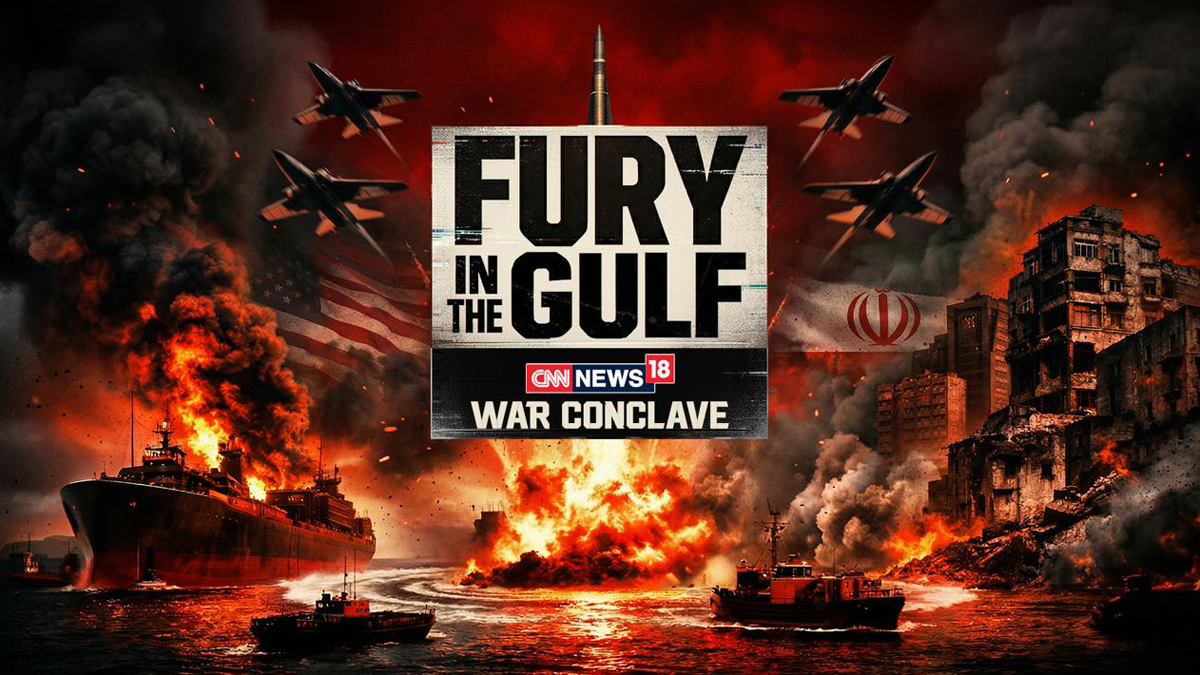
MUMBAI: CNN-News18 is set to host a special three-hour broadcast, Fury in the Gulf – War Conclave, on April 7, aiming to decode the escalating West Asia crisis and its far-reaching implications for India.
Scheduled from 4:00 PM to 7:00 PM, the conclave comes at a time when tensions between Iran and the United States are reshaping global geopolitics and triggering economic uncertainty. With India’s deep energy ties, trade links and large diaspora in the Gulf, the developments carry significant domestic relevance.
Built around the theme ‘Conflict, Consequences, and The Future,’ the programme will feature six curated sessions combining one-on-one interviews and panel discussions. The focus is to cut through the clutter and offer viewers a clearer understanding of the fast-evolving situation.
Key sessions include ‘Diplomacy in Times of War’ featuring Shashi Tharoor, and ‘World After the Iran Conflict’ with voices such as Ram Madhav, Reuven Azar, representatives from the European Union and the Iranian Deputy Envoy. Another session titled ‘Another Dunkirk?’ will bring together K. J. S. Dhillon and Jitin Prasada among others.
CNN-News18 editorial affairs director Rahul Shivshankar said, “In times of war, clarity becomes the most powerful tool. Fury in the Gulf – War Conclave brings together credible voices to address the questions and confusion that arise amid an overwhelming influx of information.”
He added that the initiative is aimed at delivering “facts, perspective, and insight” at a time when misinformation can easily cloud public understanding.
Echoing the sentiment, CNN-News18 CEO– English and business news Smriti Mehra said the conflict marks a defining global moment, with consequences that extend well beyond the region. She noted that the conclave seeks to present the crisis with “depth, nuance and responsibility” so audiences can better grasp its real-world impact.
As geopolitical tensions continue to dominate headlines, the conclave positions itself as an attempt to bring order to the noise, offering viewers a structured, insight-led look at a complex and rapidly shifting global situation.






