News Broadcasting
CNN named cable & satellite channel of the year

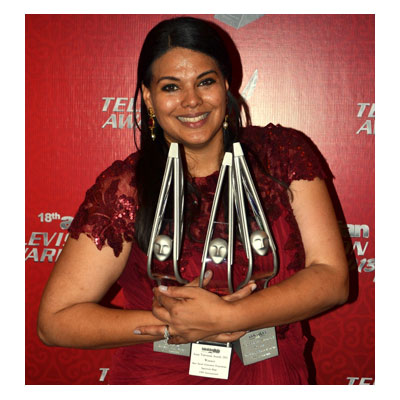
MUMBAI: CNN International has once again been recognized for its outstanding global journalism winning the coveted ‘Cable & Satellite Channel of the Year’, ‘Best News Story’ and ‘Best Social Awareness Program’ categories at the 2013 Asian Television Awards held last night in Singapore.
CNN’s Hong Kong-based international correspondent Anna Coren won the prestigious ‘Best News Story 10 minutes or less’ for her powerful exclusive report ‘Afghanistan Taliban Firefight’ where she came under enemy fire for more than 90 minutes in Nejrab alongside U.S. Special forces. This is the third Asian Television Award for Coren – she won ‘Best News Presenter or Anchor’ in both 2011 and 2012. You can see her ‘Afghanistan Taliban Firefight’ report here: http://cnn.it/188w7iI
CNN’s senior international correspondent Sara Sidner collected her second Asian Television Award, this time for the remarkable CNN Freedom Project documentary ‘Operation Hope’ in the ‘Best Social Awareness Program’ category. The award follows Sidner’s original recognition in 2011 as she chronicled the extraordinary against-the-odds journey of a seven-year-old Bangladeshi boy who was viciously attacked, castrated and left for dead because he refused to be forced into begging. In ‘Operation Hope’ she followed up his story to relate how people around the world had seen her report and subsequently helped fly the boy to the US for life-changing surgery, meaning that ultimately his terrifying ordeal ended happily: http://cnn.it/Usz8lK
The award for ‘Operation Hope’ represents the latest recognition for the CNN Freedom Project, an initiative that has been honored extensively for its tireless efforts to shine a light on the horrors of modern-day slavery.

Executive Vice President and Managing Director for CNN International Tony Maddox commented: “I am thrilled that CNN ends 2013 as it started it, namely with recognition and awards from prestigious peers for the outstanding quality of our journalism. These awards stand as a testament to the excellence and dedication of our people in Asia and around the world, with both Anna and Sara’s remarkable reports demonstrating their tenacity and fearlessness in bringing vital stories to our global audience. It is also especially pleasing to see the CNN Freedom Project once again honored as the initiative has repeatedly delivered crucial, hard-hitting but compassionate reporting to increase awareness of this appalling trade.”
The Asian Television Awards took place in Singapore on Thursday December 5, 2013. Senior International Correspondent Sara Sidner attended the gala ceremony and c






News Broadcasting
CNN-News18 to host Fury in the Gulf conclave on West Asia crisis
Three-hour summit to unpack geopolitical fallout and impact on India
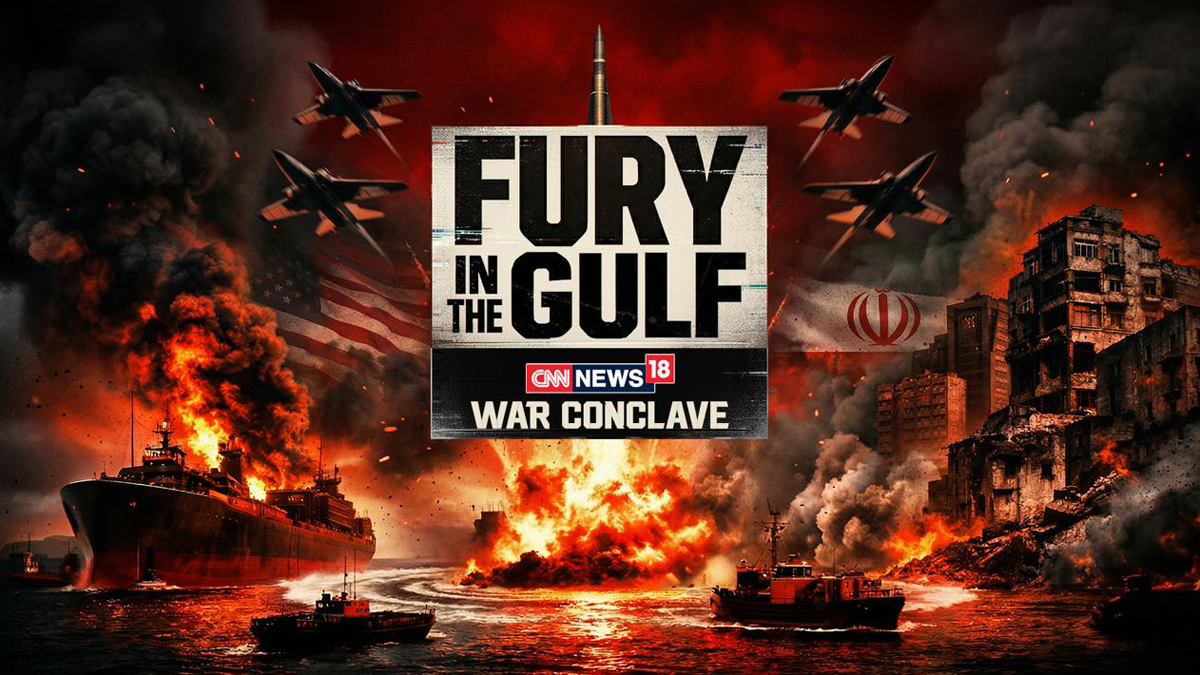
MUMBAI: CNN-News18 is set to host a special three-hour broadcast, Fury in the Gulf – War Conclave, on April 7, aiming to decode the escalating West Asia crisis and its far-reaching implications for India.
Scheduled from 4:00 PM to 7:00 PM, the conclave comes at a time when tensions between Iran and the United States are reshaping global geopolitics and triggering economic uncertainty. With India’s deep energy ties, trade links and large diaspora in the Gulf, the developments carry significant domestic relevance.
Built around the theme ‘Conflict, Consequences, and The Future,’ the programme will feature six curated sessions combining one-on-one interviews and panel discussions. The focus is to cut through the clutter and offer viewers a clearer understanding of the fast-evolving situation.
Key sessions include ‘Diplomacy in Times of War’ featuring Shashi Tharoor, and ‘World After the Iran Conflict’ with voices such as Ram Madhav, Reuven Azar, representatives from the European Union and the Iranian Deputy Envoy. Another session titled ‘Another Dunkirk?’ will bring together K. J. S. Dhillon and Jitin Prasada among others.
CNN-News18 editorial affairs director Rahul Shivshankar said, “In times of war, clarity becomes the most powerful tool. Fury in the Gulf – War Conclave brings together credible voices to address the questions and confusion that arise amid an overwhelming influx of information.”
He added that the initiative is aimed at delivering “facts, perspective, and insight” at a time when misinformation can easily cloud public understanding.
Echoing the sentiment, CNN-News18 CEO– English and business news Smriti Mehra said the conflict marks a defining global moment, with consequences that extend well beyond the region. She noted that the conclave seeks to present the crisis with “depth, nuance and responsibility” so audiences can better grasp its real-world impact.
As geopolitical tensions continue to dominate headlines, the conclave positions itself as an attempt to bring order to the noise, offering viewers a structured, insight-led look at a complex and rapidly shifting global situation.






