News Broadcasting
CNN launches new series ‘Saved by the Future’ with leading names in science and technology exploring the innovations that will shape our future

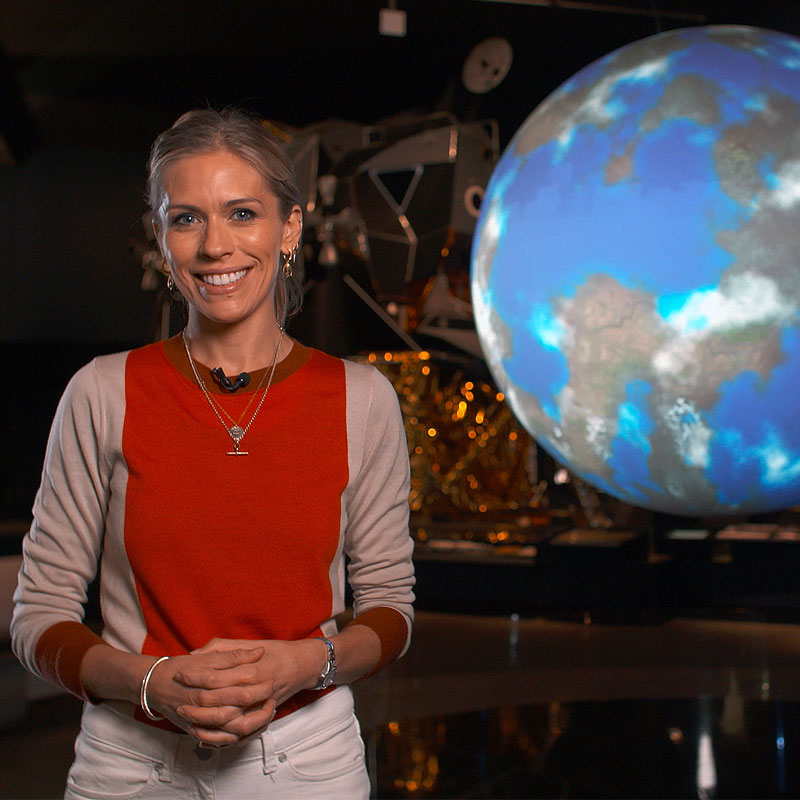
This month, CNN launches ‘Saved by the Future’, a brand-new cross-platform series in which some of the biggest names in science and technology spotlight breakthrough innovations in mobility, automation, energy, sustainability and artificial intelligence that could transform our lives in decades to come.
In the first of three 30-minute shows, host Nicki Shields guides conversations with Bill Nye, Fabien Cousteau and Kathy Sullivan, who transport us to a world of future possibilities that once seemed like mere science fiction, in everything from mobility in space to electric drones that can predict the weather.
Shields first speaks with TV Star “The Science Guy”, climate change advocate and social media sensation Bill Nye about the future of space exploration. Nye is CEO of the Planetary Society, which successfully launched its LightSail 2 spacecraft in 2019. The spacecraft is powered by solar winds from the sun, meaning by design, it will never run out of fuel. Nye believes this breakthrough will be the future of sustainable space travel, and discusses the domino effect this science has had on the building blocks for future technology.

For Fabien Cousteau, the grandson of renowned explorer Jacques Cousteau, the future of ocean exploration rests on advancements in automation and underwater mobility. In 2014, Cousteau and his crew spent 31 days living under the ocean in an underwater habitat known as ‘Aquarius’ – and reveals that an even bigger version, dubbed Project Proteus, is already in the works. We explore the impact such developments could have upon humankind’s understanding of our own oceans.
Finally, Shields speaks with scientist and former NASA astronaut Kathy Sullivan, who earlier this year became the only person who has both walked in space and visited the deepest known point in the ocean. Sullivan explains to CNN that our oceans are in need of a major technological upgrade: while satellites in space are able to communicate a snapshot of the weather on earth, a networked ocean blanketed with sensors could deliver an extended forecast – helping us accurately understand the state of our earth months, even years, in advance.







News Broadcasting
CNN-News18 to host Fury in the Gulf conclave on West Asia crisis
Three-hour summit to unpack geopolitical fallout and impact on India
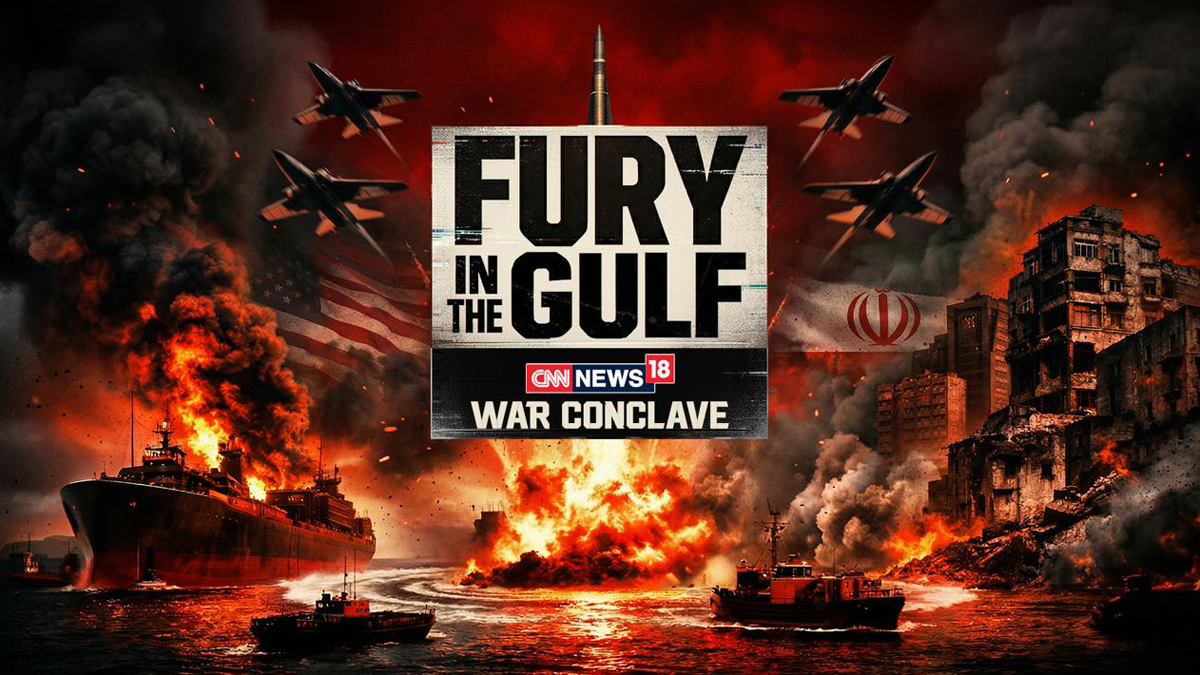
MUMBAI: CNN-News18 is set to host a special three-hour broadcast, Fury in the Gulf – War Conclave, on April 7, aiming to decode the escalating West Asia crisis and its far-reaching implications for India.
Scheduled from 4:00 PM to 7:00 PM, the conclave comes at a time when tensions between Iran and the United States are reshaping global geopolitics and triggering economic uncertainty. With India’s deep energy ties, trade links and large diaspora in the Gulf, the developments carry significant domestic relevance.
Built around the theme ‘Conflict, Consequences, and The Future,’ the programme will feature six curated sessions combining one-on-one interviews and panel discussions. The focus is to cut through the clutter and offer viewers a clearer understanding of the fast-evolving situation.
Key sessions include ‘Diplomacy in Times of War’ featuring Shashi Tharoor, and ‘World After the Iran Conflict’ with voices such as Ram Madhav, Reuven Azar, representatives from the European Union and the Iranian Deputy Envoy. Another session titled ‘Another Dunkirk?’ will bring together K. J. S. Dhillon and Jitin Prasada among others.
CNN-News18 editorial affairs director Rahul Shivshankar said, “In times of war, clarity becomes the most powerful tool. Fury in the Gulf – War Conclave brings together credible voices to address the questions and confusion that arise amid an overwhelming influx of information.”
He added that the initiative is aimed at delivering “facts, perspective, and insight” at a time when misinformation can easily cloud public understanding.
Echoing the sentiment, CNN-News18 CEO– English and business news Smriti Mehra said the conflict marks a defining global moment, with consequences that extend well beyond the region. She noted that the conclave seeks to present the crisis with “depth, nuance and responsibility” so audiences can better grasp its real-world impact.
As geopolitical tensions continue to dominate headlines, the conclave positions itself as an attempt to bring order to the noise, offering viewers a structured, insight-led look at a complex and rapidly shifting global situation.






