News Broadcasting
amfAR HOLDS INAUGURAL INDIA GALA

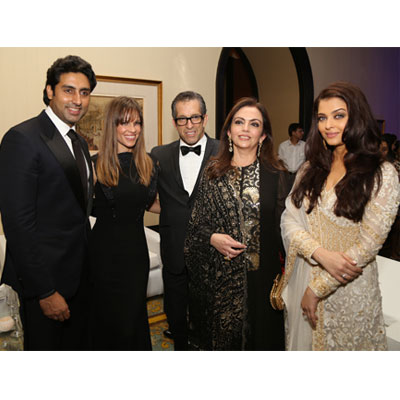
MUMBAI : Some of the most distinguished figures in Indiansociety joined Sharon Stone, Hilary Swank, AbhishekBachchan, AishwaryaRaiBachchan, amfAR Chairman Kenneth Cole,amfAR CEO Kevin Robert Frost, and Cyrus Poonawalla, Ph.D. last night at the inaugural amfAR India gala in support of amfAR’s innovative AIDS research programs.
The black tie event, held at The TajMahal Palace Hotel, featured a cocktail reception, dinner, and a gold-themed fashion show featuring exclusive looks by RohitBal, Abu Jani-SandeepKhosla, and TarunTahiliani with jewels by Azva, TarunTahiliani for Azva, Symetree, and Amrapali. The evening concluded with a high-energy performance by pop sensation Ke$ha, whosesongs including her hits “Animal,” “We R Who We R,” and “TikTok,” had guests dancing into the night.
amfAR CEO Kevin Robert Frost invited actress and producer Hilary Swank to the stage at the exclusive event. Ms. Swank gave opening remarks and introduced amfAR Chairman Kenneth Cole, who spoke about amfAR’s global HIV/AIDS eradication initiatives and the important role of research in ending the epidemic. Bollywood luminaries AbhishekBachchan and AishwaryaRaiBachchan also addressed the more than 300 guests in attendance. In a highlight of the evening, amfAR Global Fundraising Chairman Sharon Stone took the stage and made an impassioned call to action to the many business and cultural heavyweights in the room, saying “There isn’t a family who has not been touched by AIDS.”

Other notable guests included Neeta Ambani, Anuj Gupta, Rocky Malhotra, VenugopalDhoot, VikramChatwal, Lisa Haydon, Dimple Kapadia, Parmeshwar Godrej, NargisFakhri, SonalChauhan, Torquhil Campbell, Duke of Argyll, Dino Morea, and NanditaMahtani, among many others.
amfAR India was made possible by Presenting Sponsor Cyrus Poonawalla, Signature Sponsors LoveGold and Delta Air Lines, Automotive Partner BMW, and Partner Chivas.



News Broadcasting
CNN-News18 to host Fury in the Gulf conclave on West Asia crisis
Three-hour summit to unpack geopolitical fallout and impact on India
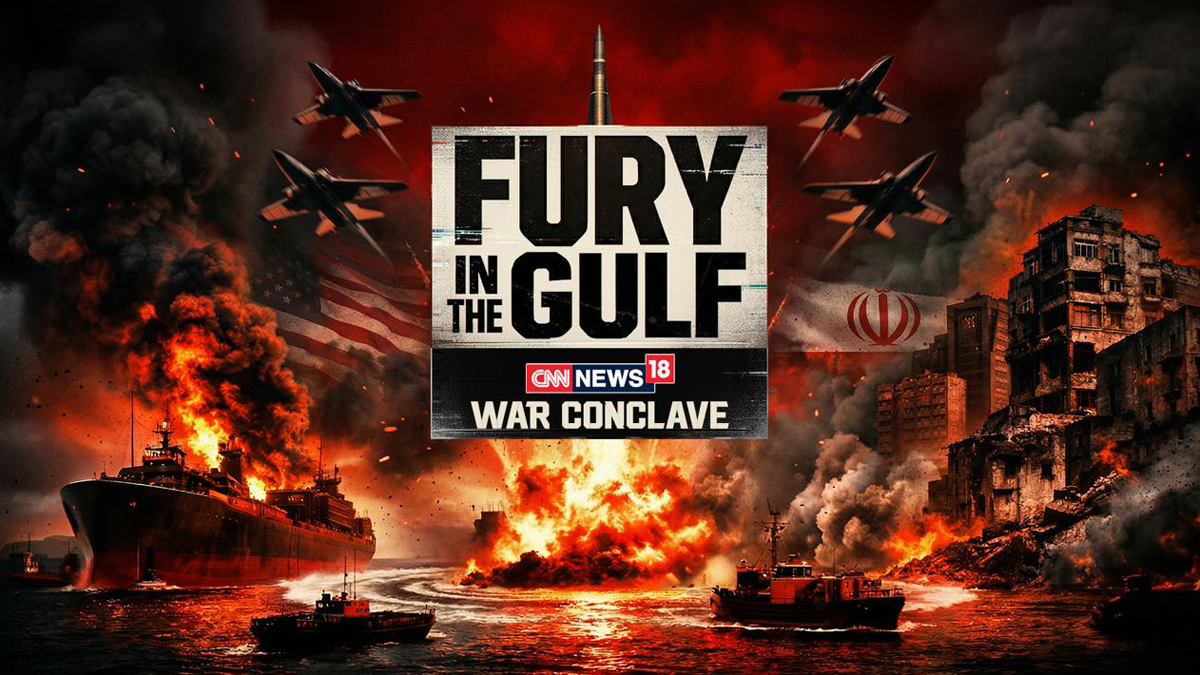
MUMBAI: CNN-News18 is set to host a special three-hour broadcast, Fury in the Gulf – War Conclave, on April 7, aiming to decode the escalating West Asia crisis and its far-reaching implications for India.
Scheduled from 4:00 PM to 7:00 PM, the conclave comes at a time when tensions between Iran and the United States are reshaping global geopolitics and triggering economic uncertainty. With India’s deep energy ties, trade links and large diaspora in the Gulf, the developments carry significant domestic relevance.
Built around the theme ‘Conflict, Consequences, and The Future,’ the programme will feature six curated sessions combining one-on-one interviews and panel discussions. The focus is to cut through the clutter and offer viewers a clearer understanding of the fast-evolving situation.
Key sessions include ‘Diplomacy in Times of War’ featuring Shashi Tharoor, and ‘World After the Iran Conflict’ with voices such as Ram Madhav, Reuven Azar, representatives from the European Union and the Iranian Deputy Envoy. Another session titled ‘Another Dunkirk?’ will bring together K. J. S. Dhillon and Jitin Prasada among others.
CNN-News18 editorial affairs director Rahul Shivshankar said, “In times of war, clarity becomes the most powerful tool. Fury in the Gulf – War Conclave brings together credible voices to address the questions and confusion that arise amid an overwhelming influx of information.”
He added that the initiative is aimed at delivering “facts, perspective, and insight” at a time when misinformation can easily cloud public understanding.
Echoing the sentiment, CNN-News18 CEO– English and business news Smriti Mehra said the conflict marks a defining global moment, with consequences that extend well beyond the region. She noted that the conclave seeks to present the crisis with “depth, nuance and responsibility” so audiences can better grasp its real-world impact.
As geopolitical tensions continue to dominate headlines, the conclave positions itself as an attempt to bring order to the noise, offering viewers a structured, insight-led look at a complex and rapidly shifting global situation.






