GECs
ZEEL’s Punit Goenka on FY19 performance, future of digital platforms, new tariff order

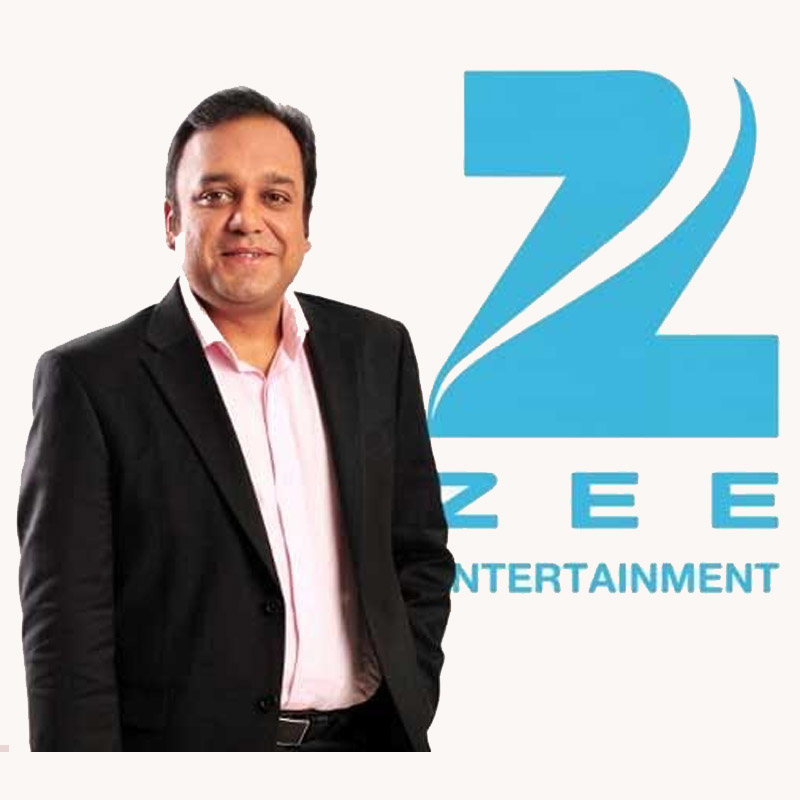
MUMBAI: The changing nature of content as well as distribution has led to a major overhaul in traditional media companies. Zee Entertainment Enterprises Ltd(ZEEL) is also inking partnerships with new-age content distributors, device manufacturers and other digital players in this context. ZEEL MD and CEO Punit Goenka recognising the need for modification of ZEEL’s processes. He said that the media conglomerate is investing in data and analytics capabilities along with traditional functions like marketing and customer service.
In a message to shareholders published in ZEEL’s FY19 annual report, Goenka spoke on the performance of the company in FY19, the journey ahead both in front of traditional and digital business. Here are edited excerpts:
Gearing-up for next phase of growth

Over the years, ZEEL has evolved from a single-channel network into a multi-faceted entertainment content company by consistently expanding its content offering. Till recently, television was the primary medium for taking new content to audience. However, our emerging businesses – digital, movies & music, and live events, provide us new touchpoints for reaching consumers as well as access to audience which was out of reach. This has added new dimensions to content consumption and is allowing us to experiment with new genres of content and create formats which are suited for smaller audience segments. We have significantly ramped up our content investments to capitalise on this new opportunity. Along with an evolving content repertoire, the distribution landscape is also changing with audience using multiple devices and platforms for consuming content. To enhance the reach and engagement of our products, we are stitching partnerships with new age content distributors, device manufacturers and other digital players. In this changing landscape, we also need to modify our processes and develop new capabilities to sustain growth and take advantage of emerging opportunities. Increase in share of direct to consumer businesses, especially digital, and changes in television distribution space give us greater insights into consumer preferences. While consumers have always been the focal point for content creation, these insights will enable us to serve them better. We are investing in data and analytics capabilities to use consumer insights for content creation and product design. Even traditional functions like marketing and customer service are undergoing significant changes and we are equipping our workforce for success in this new environment.
The year gone by
Digital video viewership continues to see tremendous growth as the reach of internet increases and people spend more time watching content. Till now, the growth has been primarily driven by user-generated and TV content which is monetised through advertising. I believe that the next phase of growth would be driven by content that the digital platforms are creating. The themes, talent ensemble and production value of these shows make it markedly different and have caught the fancy of a set of audience which found TV shows too slow. Once digital platforms scale-up their production of original content, it will enable them to drive subscription model. Younger audience, primarily from urban areas, have been the early adopter of SVOD, and digital content reflects the sensibilities of this segment. As more consumers join the pay bandwagon, the content offerings will explode to cater to varied user segments. In a market characterised by low ARPU and aversion to online payments, bundling of SVOD with telecom and other services, tiered pricing and innovation in payments would be key to growth of the paid subscriber base. Though advertising is the mainstay for digital revenues currently, I believe subscription would develop as a long-term revenue driver.
Television remains the mainstay for entertainment in India and continues to see growth in reach and engagement. Over the last 4 years, 50 million households have bought a TV set, but still a third of Indians (~100 million households) do not own one, and this provides a long run-way for growth. Constantly improving choices and quality of content across languages have led to growth in time spent. The new tariff order has further improved television’s value proposition for consumers by empowering them to select and pay for content of their choice. It also gives broadcasters flexibility to price their content which would incentivise innovation. The radical change in content distribution dynamics brought with it several challenges which made the transition to new regime uneven. However, once the transition is complete, it will benefit all the stakeholders. Digitisation of distribution space led to proper accounting of subscriber base and this tariff order provides for fair distribution of revenue across the value chain. This increase in transparency would accelerate growth of subscription market in India.
Our domestic broadcast business delivered another year of strong performance. Strengthening the network viewership share, it consolidated its position as India’s #1 entertainment network. The performance was led by the regional and movie channels portfolio. In line with our strategy of expanding the regional portfolio by entering new markets, we launched Zee Keralam, making our language footprint the biggest in the country. We continued our investments in acquisition of movie rights which will help us launch exclusive movie channels in regional markets and bolster our existing portfolio. There were two major business developments during the year – getting into distribution contracts as per the new tariff order and conversion of our two FTA channels to pay. Both impacted our revenue growth in the short term, but we are confident that once the transitory challenges settle down, they will help us further improve our competitive position across markets. The strength of our pan-India network is a result of our understanding of consumers and the processes built around it, enabling us to replicate success in multiple markets.
Our international business continued its focus on building reach and improving engagement across geographies. Launch of channels on new platforms helped our linear portfolio increase reach and local programming initiatives in some of the markets helped us engage more with the audience. The performance of our Indian and local language channels continues to be strong across markets. In addition to strengthening our linear business, we also started rolling out ZEE5 in select markets starting with APAC countries. We are working on a market by market strategy and selecting partners for taking our product to consumers. I believe that the revenue opportunity for ZEE5 in international markets is substantial.
Our consolidated revenue grew by 18.7 per cent in FY19 to `79,339 million. This strong growth was led by 19.8 per cent and 13.9 per cent growth in advertising and subscription revenues, respectively. Movies, music and content syndication businesses registered an impressive 29.7 per cent growth. The EBITDA margin for the year stood at 32.3 per cent and our EBITDA grew by 23.5 per cent to `25,639 million. The strong EBITDA growth for the year, despite increased investments in digital and other new initiatives and impact on revenue in fourth quarter, reflects the strong underlying performance of the business.







GECs
Asianet Television Awards 2026 celebrates women power in Malayalam TV
“She is the Colour” theme honours icons as ceremony airs on March 14 and 15 at 7 PM.
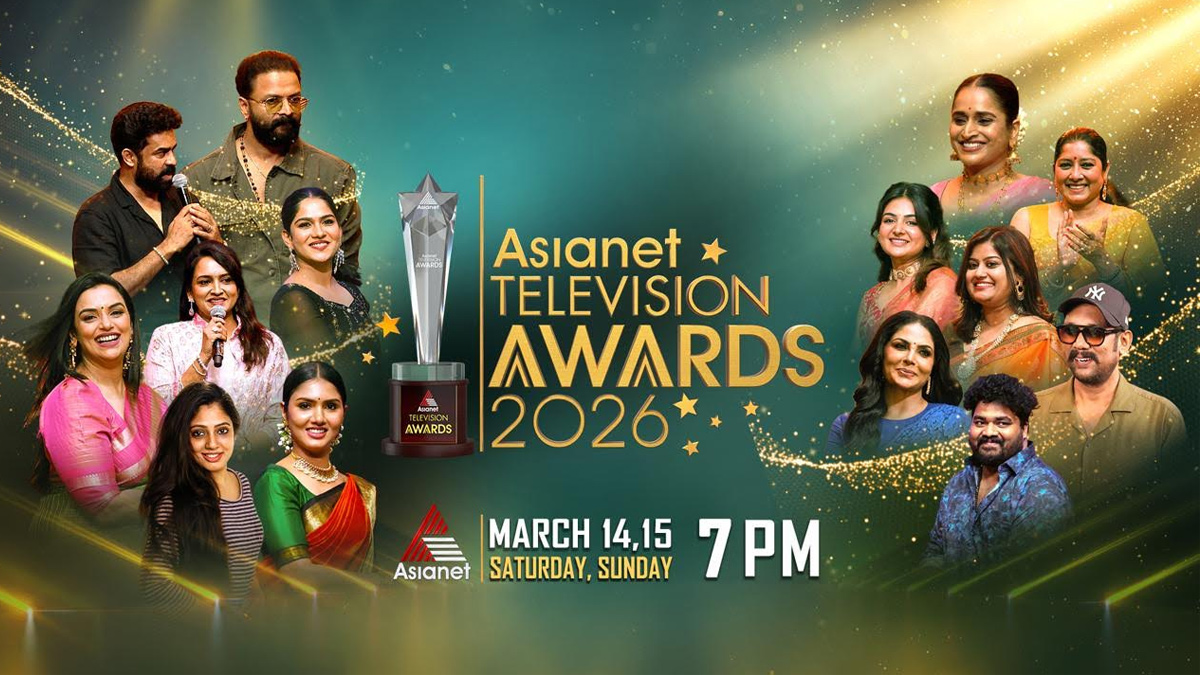
MUMBAI: If television lights up living rooms, this year Asianet decided to let women provide the colour. The Asianet Television Awards 2026 turned the spotlight firmly on women empowerment with the theme “She is the Colour”, celebrating the strength, resilience and achievements of women who continue to shape society and the Malayalam entertainment industry.
The ceremony honoured several distinguished personalities whose journeys have left a lasting cultural imprint. Among them was legendary playback singer Vimala Varma, widely recognised as the first Malayalam playback singer. The evening also paid tribute to Padma Shri awardees Devaki Amma and Vimala Menon for their exceptional contributions in their respective fields.
Leading women from the Malayalam film industry were also recognised during the event, including actor Shweta Menon, who currently serves as president of the Association of Malayalam Movie Artists, and National Award winning actor Surabhi Lakshmi.
The awards ceremony brought together a glittering lineup of actors and industry figures, including Jayasurya, Vijay Babu, Asha Sarath, Lena, Esther Anil, Anumol, Akhila Bhargavan, Sarayu Mohan, Prajod Kalabhavan, Gayathri Suresh, Sabumon Abdusamad, Swasika, Tini Tom, Sijoy Varghese, Kailash, Veena Nandakumar, Sabareesh Varma, Ansiba Hassan and Dinesh Prabhakar. Kishan Kumar, executive vice president Malayalam at JioStar, was also present at the event.
Beyond individual recognitions, the awards celebrated excellence across Malayalam television, acknowledging artists and technicians whose work continues to drive the industry forward.
The evening also offered plenty of spectacle, with elaborate dance performances, stunt acts and comedy skits performed by popular television and film personalities, turning the ceremony into a full fledged entertainment showcase.
Viewers will get to watch the celebrations when the Asianet Television Awards 2026 air on Asianet on March 14 and 15, Saturday and Sunday, from 7 pm onwards, bringing the star studded tribute to homes across Kerala and beyond.