News Broadcasting
Zeel relaunches Zindagi with new shows; dual audio feed

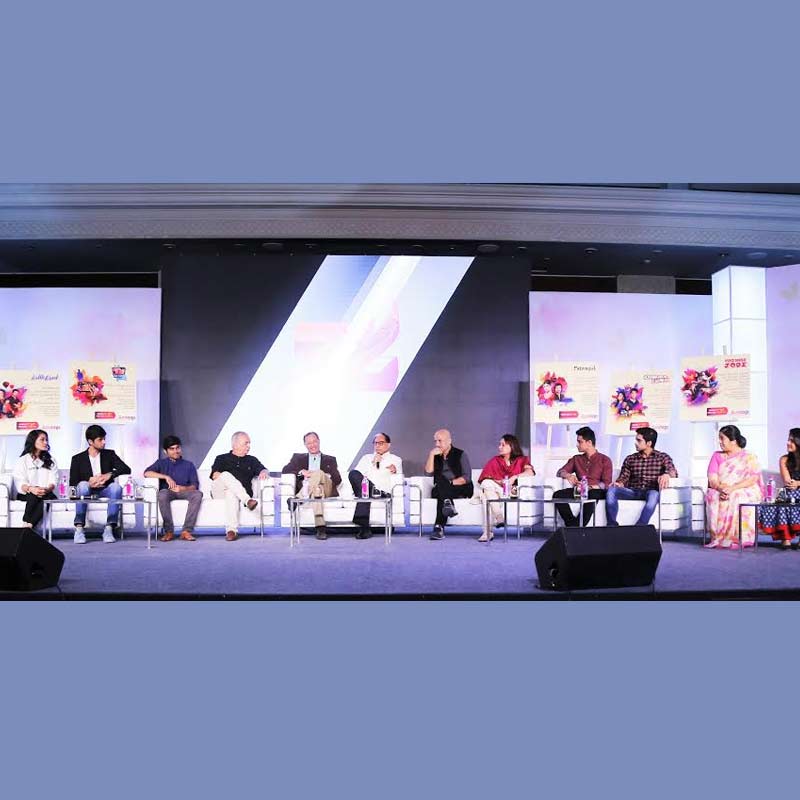
MUMBAI: Zee Entertainment Enterprises Ltd’s alternative Hindi GEC Zindagi, as announced earlier, is going in for a refresh. And in its new avatar Zindagi is rolling out a programming line up consisting of South Korean, Latin American, Spanish Italian, Turkish and home grown Indian shows from 3 October. For the first time, it will be available with a dual audio feed – in English and Hindi.
In another innovation, the channel will be streamed live on Periscope, along with the live television feed.
The channel has garbaged the Pakistani shows for which it has been known. The new programs include a light-hearted Turkish drama, ‘Little Lord’ at 7.30 pm, which is an endearing tale of a parent-child relationship seen through the lens of a six year old, Mehmet. And, the Turkish blockbuster Fatmagul is the story of an innocent girl whose fairytale life is turned into a nightmare when she is raped and is forced to marry the accused will continue to entertain viewers at 9.00 PM.

Three Indian originals that push societal thinking are being introduced. These include a rip-roaring comedy by Sunjoy Wadhwa’s Sphere Origins’ titled ‘TV Ke Uss Paar’ at 8.30 pm that is a tongue-in-cheek sitcom on the world of daily soaps and a reality check on how today’s society is obsessed with television. The three endearing romances from India includes Anupam Kher’s first fiction production on TV called ‘Khwaabon Ki Zamin Par’ that will air at 10.00 pm and produced by his company, An Actor Prepares.
It is the story of a 24 year old boy, Arya, who leaves behind his girlfriend, Niyati, and his family to come to Bombay to fulfill his dream of being a star! Gulshan Sachdeva’s Film & Shots has produced the next love story, ‘Agar Tum Saath Ho’ to air at 7.00 pm. It centres around the journey of a rich Delhi girl, Neema, who marries a simple, middle class boy, Ravi, much against her father’s wishes and how they deal with her meddling father.
After the phenomenal success of Feriha, Zindagi will soon premiere its second season. Coming soon for the movie buffs on Sunday, ‘Zindagi Awesomes’ will feature the most iconic films that have defined Indian cinema.
Since launch, Zindagi has garnered discerning and premium audiences. A press release states that it has maintained its No 1 premium entertainment channel position over the past 27 weeks with 710 average GTVTs. (Source: BARC Alpha Club ratings; TG: NCCS A1, 6 Metros, Period: WK5’ To WK 32’2016, AV GTVTs).
It originally began as a channel aimed at building creative ties between India and Pakistan.
“We at Zee, have tried for the past 24 years to bridge the gap, however, the one-way street is not working. We at Zindagi want to respect the sentiments of our viewers, and of our country. It’s an unfortunate decision we had to take to stop all programming from Pakistan,” said ZEE & Essel Group chairman Subhash Chandra. “Zindagi has been the reason for the rise of a number of stars from Pakistan but when we requested them to at least condemn the attacks without naming their country, none of them came forward.”
Added ZEEL chief business officer Sunil Buch said: “Zindagi presents finite world stories with bold narratives which unveil universal emotions. What sets the channel apart is its consistent commitment to show finite, real, vibrant, and premium world stories. The channel’s positioning ’Yeh Lamha Hi Hai Zindagi’ does justice to the brilliant brand name, and mirrors the essence of the word Zindagi.”
A robust marketing campaign is planned around digital and traditional media like print, cinema, DTH, TV, and OOH to push the new promise of Zindagi. It is being initiated with a simple yet thought provoking catchphrase ‘#ZindagiKehtiHai’ that is designed to create conversation around people’s life, or “Zindagi.’ And finally a high impact road block has been planned across the 33 channels of the Zee Network on 30 September





News Broadcasting
Kamlesh Singh receives Haldi Ghati Award from MMCF
India Today Group editor honoured for three decades of journalism at Udaipur ceremony.
MUMBAI- Kamlesh Singh just turned a lifetime of sharp words into a shiny shield because when journalism wakes up a society, even the Maharana of Mewar wants to pin a medal on it.
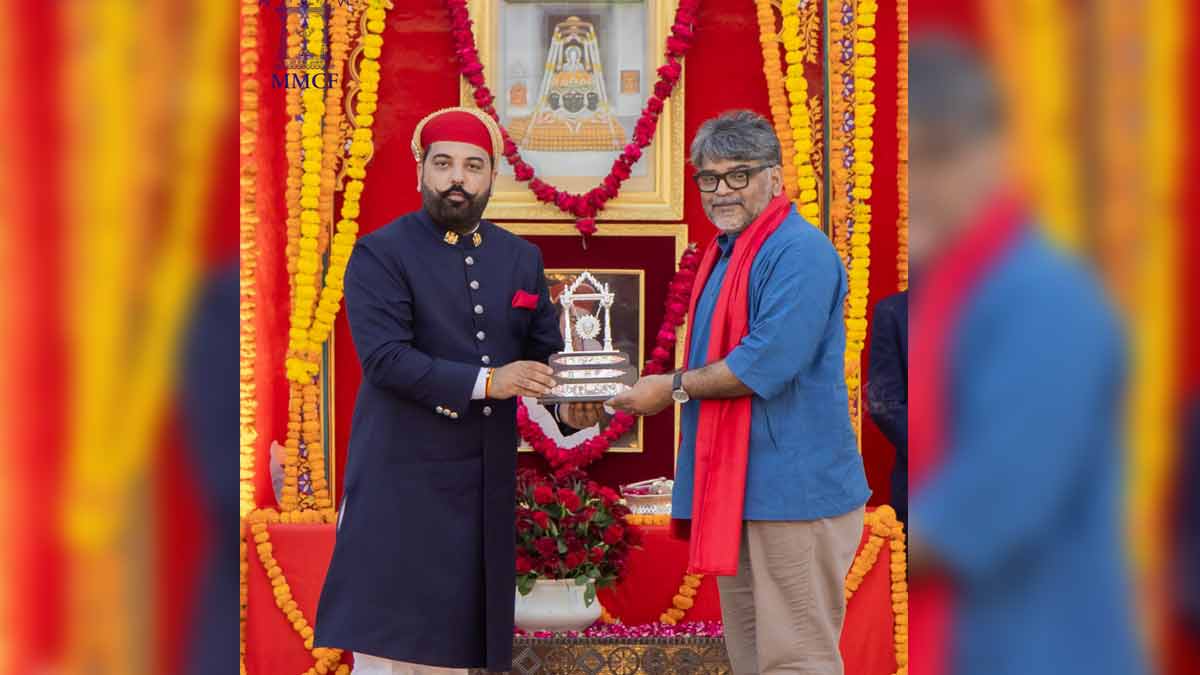
The Maharana of Mewar Charitable Foundation (MMCF) conferred its prestigious Haldi Ghati Award on Kamlesh Singh, a senior editor at the India Today Group, during a ceremony in Udaipur on 15 March 2026. The national award, instituted in 1981-82, recognises “work of permanent value that initiates an awakening in society through the medium of journalism.”
Singh, who leads several editorial initiatives including Aaj Tak Radio, the Teen Taal community and The Lallantop, was presented the honour by Lakshyaraj Singh Mewar, Managing Trustee of MMCF. The citation highlighted his three decades of contributions to Indian media, innovations in digital journalism, mentoring young reporters, and his popular podcast persona “Tau” on Teen Taal, which fosters thoughtful public discourse.
The Haldi Ghati Award, named after the historic Battle of Haldighati symbolising valour and resilience, is one of four national awards given annually by MMCF. Past recipients include Tavleen Singh, Piyush Pandey and Raj Chengappa.
Other honourees this year included Padma Vibhushan Pt Hari Prasad Chaurasia, Vedamurti Devvrat Rekhe, Treeman of India Marimuthu Yoganathan, Vir Chakra Capt Rizwan Malik, and US-based researcher Molly Emma Aitken, who received the Colonel James Tod Award for contributions to understanding Mewar’s spirit and values.
In an era where headlines often shout louder than substance, the MMCF quietly reminded everyone that real journalism isn’t about noise, it’s about the quiet, persistent work that stirs society awake, one thoughtful story at a time.







