News Broadcasting
Zeel relaunches Zindagi with new shows; dual audio feed

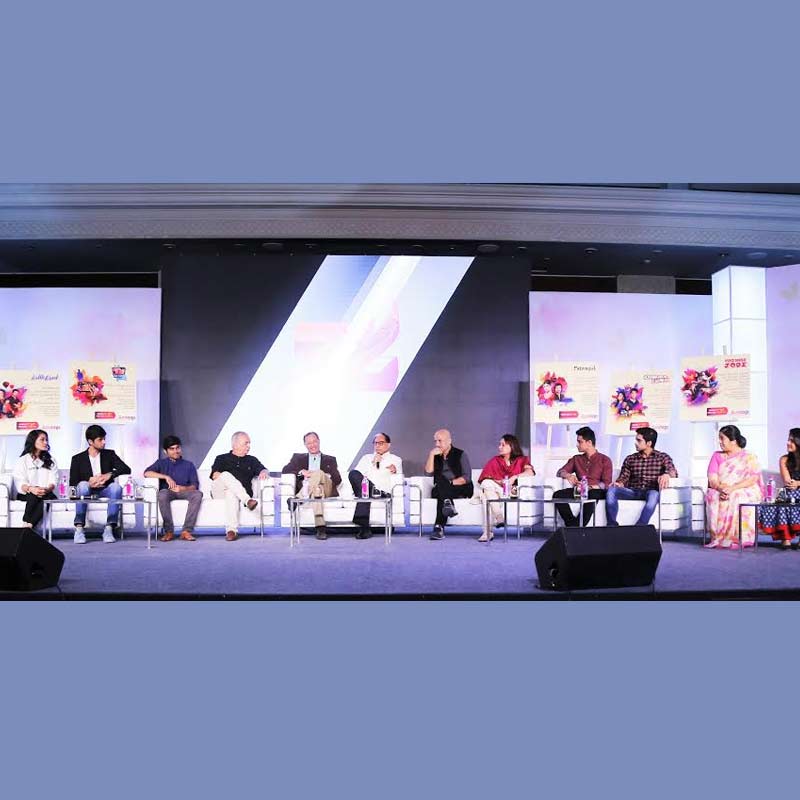
MUMBAI: Zee Entertainment Enterprises Ltd’s alternative Hindi GEC Zindagi, as announced earlier, is going in for a refresh. And in its new avatar Zindagi is rolling out a programming line up consisting of South Korean, Latin American, Spanish Italian, Turkish and home grown Indian shows from 3 October. For the first time, it will be available with a dual audio feed – in English and Hindi.
In another innovation, the channel will be streamed live on Periscope, along with the live television feed.
The channel has garbaged the Pakistani shows for which it has been known. The new programs include a light-hearted Turkish drama, ‘Little Lord’ at 7.30 pm, which is an endearing tale of a parent-child relationship seen through the lens of a six year old, Mehmet. And, the Turkish blockbuster Fatmagul is the story of an innocent girl whose fairytale life is turned into a nightmare when she is raped and is forced to marry the accused will continue to entertain viewers at 9.00 PM.

Three Indian originals that push societal thinking are being introduced. These include a rip-roaring comedy by Sunjoy Wadhwa’s Sphere Origins’ titled ‘TV Ke Uss Paar’ at 8.30 pm that is a tongue-in-cheek sitcom on the world of daily soaps and a reality check on how today’s society is obsessed with television. The three endearing romances from India includes Anupam Kher’s first fiction production on TV called ‘Khwaabon Ki Zamin Par’ that will air at 10.00 pm and produced by his company, An Actor Prepares.
It is the story of a 24 year old boy, Arya, who leaves behind his girlfriend, Niyati, and his family to come to Bombay to fulfill his dream of being a star! Gulshan Sachdeva’s Film & Shots has produced the next love story, ‘Agar Tum Saath Ho’ to air at 7.00 pm. It centres around the journey of a rich Delhi girl, Neema, who marries a simple, middle class boy, Ravi, much against her father’s wishes and how they deal with her meddling father.
After the phenomenal success of Feriha, Zindagi will soon premiere its second season. Coming soon for the movie buffs on Sunday, ‘Zindagi Awesomes’ will feature the most iconic films that have defined Indian cinema.
Since launch, Zindagi has garnered discerning and premium audiences. A press release states that it has maintained its No 1 premium entertainment channel position over the past 27 weeks with 710 average GTVTs. (Source: BARC Alpha Club ratings; TG: NCCS A1, 6 Metros, Period: WK5’ To WK 32’2016, AV GTVTs).
It originally began as a channel aimed at building creative ties between India and Pakistan.
“We at Zee, have tried for the past 24 years to bridge the gap, however, the one-way street is not working. We at Zindagi want to respect the sentiments of our viewers, and of our country. It’s an unfortunate decision we had to take to stop all programming from Pakistan,” said ZEE & Essel Group chairman Subhash Chandra. “Zindagi has been the reason for the rise of a number of stars from Pakistan but when we requested them to at least condemn the attacks without naming their country, none of them came forward.”
Added ZEEL chief business officer Sunil Buch said: “Zindagi presents finite world stories with bold narratives which unveil universal emotions. What sets the channel apart is its consistent commitment to show finite, real, vibrant, and premium world stories. The channel’s positioning ’Yeh Lamha Hi Hai Zindagi’ does justice to the brilliant brand name, and mirrors the essence of the word Zindagi.”
A robust marketing campaign is planned around digital and traditional media like print, cinema, DTH, TV, and OOH to push the new promise of Zindagi. It is being initiated with a simple yet thought provoking catchphrase ‘#ZindagiKehtiHai’ that is designed to create conversation around people’s life, or “Zindagi.’ And finally a high impact road block has been planned across the 33 channels of the Zee Network on 30 September




News Broadcasting
CNN-News18 to host Fury in the Gulf conclave on West Asia crisis
Three-hour summit to unpack geopolitical fallout and impact on India
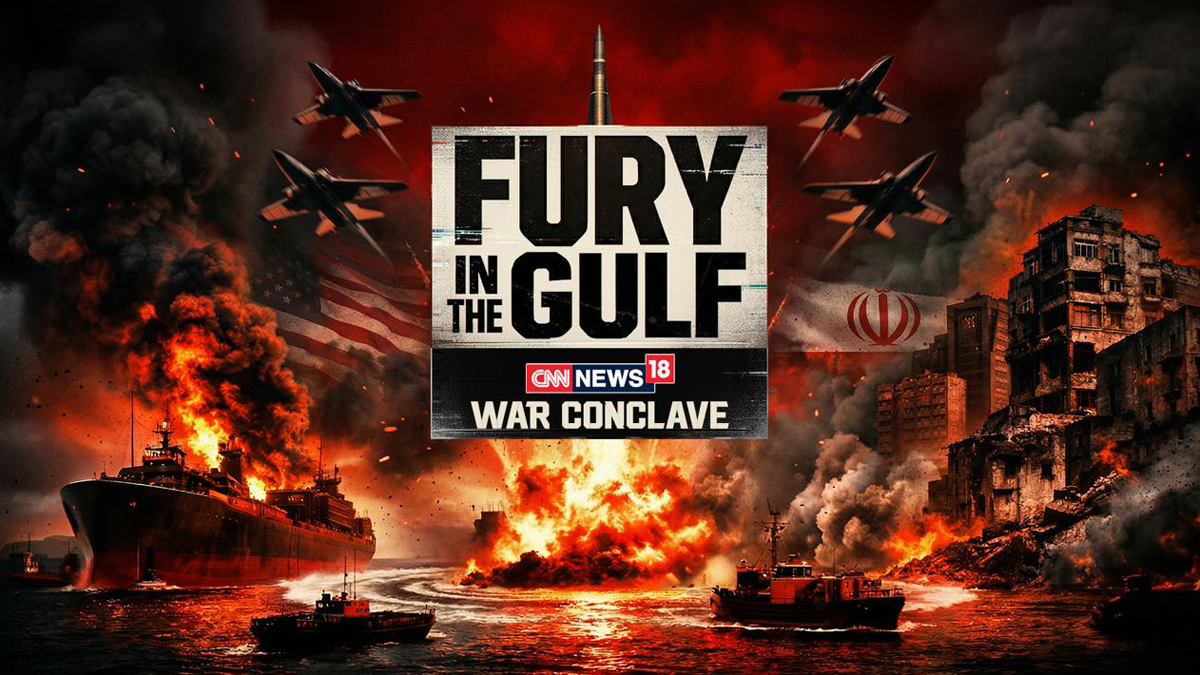
MUMBAI: CNN-News18 is set to host a special three-hour broadcast, Fury in the Gulf – War Conclave, on April 7, aiming to decode the escalating West Asia crisis and its far-reaching implications for India.
Scheduled from 4:00 PM to 7:00 PM, the conclave comes at a time when tensions between Iran and the United States are reshaping global geopolitics and triggering economic uncertainty. With India’s deep energy ties, trade links and large diaspora in the Gulf, the developments carry significant domestic relevance.
Built around the theme ‘Conflict, Consequences, and The Future,’ the programme will feature six curated sessions combining one-on-one interviews and panel discussions. The focus is to cut through the clutter and offer viewers a clearer understanding of the fast-evolving situation.
Key sessions include ‘Diplomacy in Times of War’ featuring Shashi Tharoor, and ‘World After the Iran Conflict’ with voices such as Ram Madhav, Reuven Azar, representatives from the European Union and the Iranian Deputy Envoy. Another session titled ‘Another Dunkirk?’ will bring together K. J. S. Dhillon and Jitin Prasada among others.
CNN-News18 editorial affairs director Rahul Shivshankar said, “In times of war, clarity becomes the most powerful tool. Fury in the Gulf – War Conclave brings together credible voices to address the questions and confusion that arise amid an overwhelming influx of information.”
He added that the initiative is aimed at delivering “facts, perspective, and insight” at a time when misinformation can easily cloud public understanding.
Echoing the sentiment, CNN-News18 CEO– English and business news Smriti Mehra said the conflict marks a defining global moment, with consequences that extend well beyond the region. She noted that the conclave seeks to present the crisis with “depth, nuance and responsibility” so audiences can better grasp its real-world impact.
As geopolitical tensions continue to dominate headlines, the conclave positions itself as an attempt to bring order to the noise, offering viewers a structured, insight-led look at a complex and rapidly shifting global situation.






