iWorld
ZEE5 forays into Punjabi content with all-new lineup

Mumbai: ZEE5 has launched an all-new Punjabi content slate under the ‘Rajj Ke Vekho’ initiative, in order to strengthen its footprint in Punjab and neighbouring areas in Northern India. The video streaming platform’s new content slate will address the demand of over three crore Punjabi native speakers in India, it said.
The new offering consists of Punjabi films, web series, originals and shows including straight-from-the-theatre titles from Zee Studios including “Puaada”, “Qismat 2”, “Jinne Jamme Saare Nikamme”, and “Fufad Ji”, starring popular Pollywood actors Ammy Virk, Sonam Bajwa, Sargun Mehta, Binnu Dhillon, and Gurnam Bhullar.
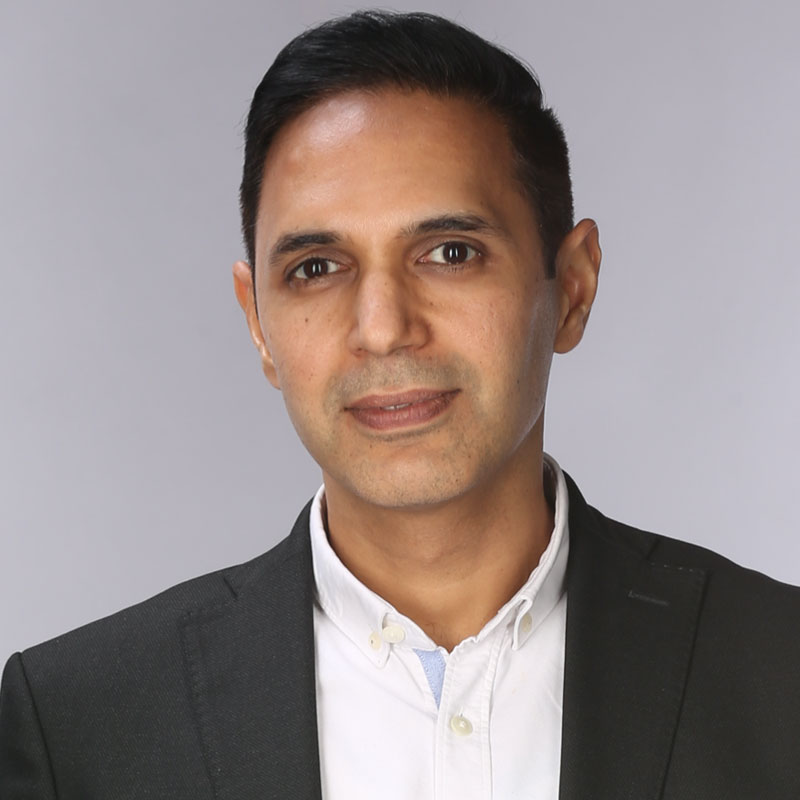
ZEE5 India, chief business officer, Manish Kalra said the ‘Rajj Ke Vekho’ initiative is an attempt to bridge the gap between the TV watching audience and OTT users, bringing everybody onto a common platform. “Punjab, today, boasts of over 70 per cent internet penetration, a telecom infrastructure density that ranks third in the country, with one of the highest GDPs and per capita incomes in India. Despite this, the content offerings in the local Punjabi language are not as diverse as a crucial market like Punjab deserves. While intent among the audience is high, the availability of options is low, which is precisely what ZEE5 is here to address with the initiative,” he added.








iWorld
JioHotstar enters micro-drama space with 100 shows under Tadka banner
Short-form push targets 300M users as content meets commerce in new format
MUMBAI: JioStar has made a bold play in India’s fast-growing micro-drama space, rolling out over 100 short-form shows under its new Tadka banner on JioHotstar, timed with the massive viewership surge of the Indian Premier League 2026.
The scale of the launch signals clear intent. Rather than testing the waters, the company has dived in headfirst, releasing a wide slate of content on day one. Each show is designed for quick consumption, with episodes running 60 to 90 seconds in a vertical format tailored for mobile-first audiences.
The move comes as India’s micro-drama market, currently valued at around $300 million, is projected to grow tenfold to over $3 billion by 2030. Globally, the format has already proven its mettle, with China’s micro-drama sector recording explosive growth in recent years.
What sets this rollout apart is its built-in monetisation strategy. The shows are free to watch and ad-supported, with brand integrations woven directly into storylines from the outset. It reflects a broader shift where content and commerce are increasingly intertwined, rather than operating in silos.
The timing is equally strategic. With more than 300 million users already tuning in for IPL action, JioHotstar is effectively turning cricket’s biggest stage into a discovery engine for its new format.
The company is not entering an empty arena. Early movers like Kuku TV, MX Player and platforms backed by Zee Entertainment Enterprises have already laid the groundwork, building audiences and validating demand for snackable storytelling.
Now, with scale, distribution and advertiser interest aligning, the big players are stepping in. For JioStar, Tadka may well serve as a proving ground for the next evolution of digital entertainment, where every minute counts and every second sells.
If the bet pays off, India’s next big content wave might just arrive in under 90 seconds.






