Hindi
YRF replies to makers of Son of Sardar

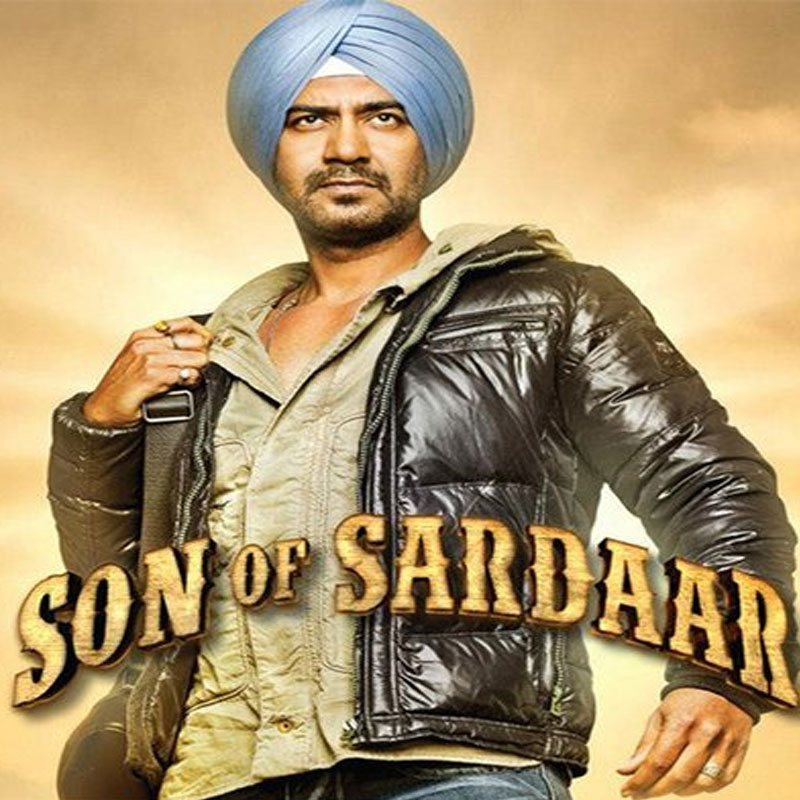
MUMBAI: Yash Raj Films (YRF) has replied sternly to Eros International, Viacom18 and Ajay Devgn Films‘ legal notice over the release of Jab Tak Hai Jaan opposite Devgn starrer Son of Sardar.
Below is the official statement from YRF:
“We were indeed quite surprised to receive an intimation from Ajay Devgn Films‘ lawyers today saying that they had filed a complaint with the Competition Commission of India against YRF, alleging malpractice committed by us in connection with the release of Jab Tak Hai Jaan and thereby affecting the release of Son of Sardar. For a company like ours, which has maintained the highest standards of work ethics and fair play, this has really come as a shock.

We would like to clarify, at the outset, that we still haven‘t received any notice from the Commission and will suitably represent our stance if and when called upon to do so. Worldwide, as well as in India, distributers often sign deals for their complete annual slate of films to simplify the process. We trust the Competition Commission will also see it as universally acceptable fair business practice.
As we have mentioned in the past, all the exhibitors, when approached by us earlier this year for booking their theatres, were happy to play out Yashji‘s movie considering their long standing and emotional relationship and goodwill with YRF of over 40 years. A Yash Chopra/Shah Rukh Khan movie, coming after a gap of 8 long years, did not need any coercion for contractual screening. Additionally, some exhibitors, who played Ek Tha Tiger, have chosen not to screen Jab Tak Hai Jaan.
Interestingly, of the 10500 plus single screens available on an all-India basis, we have booked less than 1500 single screens (an industry norm for an A-lister movie), a fact that has been common knowledge for some time now. If this was an issue, why wasn‘t it raised earlier? Why wait till now when both films are nearing release?
We had announced Jab Tak Hai Jaan would be a Diwali 2012 release as far back as 27th June 2011 and thereafter every press release of ours reiterated this. Given that most big ticket films avoid simultaneous releases, it was odd that Son of Sardar announced their release for the same day almost a year later on 29th May 2012. They were also able to lock their final distribution partner as late as 4th Oct 2012. It would seem odd that they would expect us to wait for our release plans to be put in place till they had finalised theirs!
It is also unfair to say that we are in any way in a dominant position. While we are releasing just three films this year, the two production houses in question, VIACOM 18 & EROS, who are distributing Son of Sardar, have a total release strength of almost 27 films in a year.
Everyone agrees that the festive time of Diwali has space for two simultaneous releases. Give the audience a choice to choose the one they want to watch. Few of the exhibitors have already chosen, on the basis of a business decision, the one they want to exhibit.”



Hindi
Zee5 and Applause Entertainment team up for whodunnit ‘Everybody Loves Sohrab Handa’
Rajat Kapoor directs star-studded murder mystery streaming from 10 April.
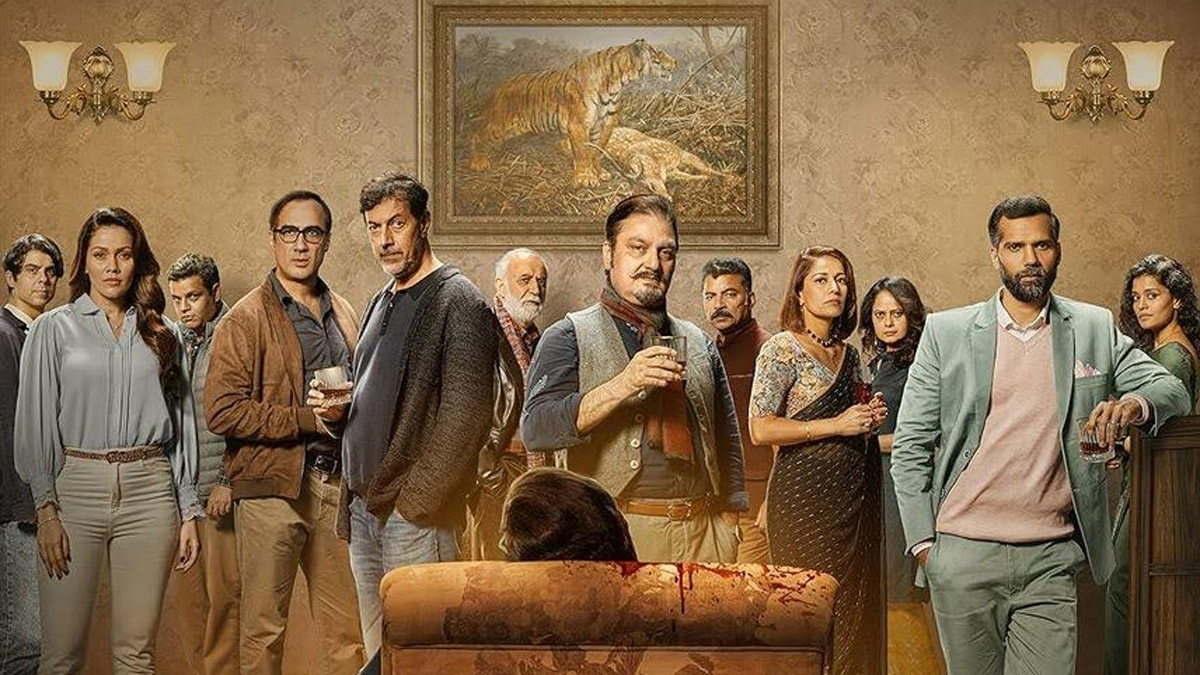
MUMBAI: Zee5 is serving up another killer collaboration and this time, the murder mystery comes with a generous side of dark humour and family dysfunction. The streaming platform has partnered with Applause Entertainment and Mithya Talkies to bring Everybody Loves Sohrab Handa, a fresh, twisted whodunnit written and directed by acclaimed filmmaker and actor Rajat Kapoor. The film will stream exclusively on Hindi Zee5 from 10 April.
The movie reimagines the classic murder mystery genre with a contemporary, darkly comic edge. It revolves around a group of friends and family who smile, drink, and celebrate together until the silence snaps and long-buried secrets spill out. The stellar ensemble cast includes Vinay Pathak, Ranvir Shorey, Waluscha De Sousa, Saurabh Shukla, Chandrachoor Rai, Neil Bhoopalam, Koel Purie, Palomi Ghosh, and Rajat Kapoor himself.
This latest offering continues the successful partnership between Zee5 and Applause Entertainment, which has previously delivered diverse hits such as Mithya, Bloody Brothers, and Jab Khuli Kitaab.
&TV Business Head of hindi Zee5 and chief channel officer Kaveri Das said, “Our collaboration with Applause Entertainment has consistently delivered distinct, high-impact storytelling. Everybody Loves Sohrab Handa is a natural progression, reinforcing our focus on genre-led content with a compelling whodunnit premise and a strong ensemble cast.”
Applause Entertainment business head for movies Sunil Chainani added, “This film adds yet another compelling layer to our slate with Rajat Kapoor’s unmistakable voice.”
Rajat Kapoor shared, “What interested me was not just the mechanics of a whodunnit, but the emotional violence that precedes physical violence. These are people who smile at each other, but there’s so much that is not said.”
The film promises razor-sharp writing, layered performances, and simmering tension, inviting viewers not just to solve the crime but to unravel the complex relationships at its heart.
If you love a good murder mystery served with wit and emotional depth, Everybody Loves Sohrab Handa looks set to be your next addictive watch. Mark your calendars, the whodunnit drops on Hindi Zee5 from 10 April.






