iWorld
Why Saregama is betting on music, not movies, with Bhansali


MUMBAI: For years, Saregama flirted with the idea that making films was the best way to protect its music business. Now, it has decided that backing a master filmmaker is wiser than becoming one.
In a detailed investor call, the music major laid out why it is stepping away from producing its own films and instead tying up with Bhansali Productions, a studio it calls “one of the most financially robust film production houses” in the country. The goal, according to managing director Vikram Mehra, is simple and long overdue.
“We were in the video business to secure a music pipeline,” he said. “Rather than doing it ourselves, we are saying take those funds and put them into the most important production house of the country.”

The partnership marks a structural shift. Saregama will invest Rs. 325 crore as primary capital into Bhansali Productions through compulsorily convertible preference shares. These will convert into equity in October 2028 based on pre agreed financial performance metrics, resulting in a stake ranging between 28 per cent and 49.9 per cent. The company also retains the right to raise its holding to 51 per cent after March 2030.
What sets the deal apart, Mehra stressed, is how it is priced. “We are not giving the value for the past. The entire value is predicted by how this company is going to be performing over the next three years,” he said, adding that the structure protects Saregama if performance falls short and rewards it if the studio delivers.
The sharper edge of the strategy lies in music. Bhansali Productions will exclusively sell all its future film music to Saregama under a pre agreed formula, effectively removing competitive bidding from the equation. “This is a move which is going to ensure that a large part of our content is now going to be coming without getting into bidding,” Mehra said. “So our music acquisition costs are going to be under control.”
Saregama expects around 30 per cent of its Hindi film music to flow from this arrangement, with the potential to rise to 40 per cent. “Because it’s Bhansali music, our market share should start going up,” Mehra noted.
Equally telling is what Saregama plans to exit. The company will gradually wind down its own film production business over the next three to five quarters, releasing between Rs. 150 crore and Rs. 175 crore of working capital. “We get out of our low yield business and put those funds into one of the most financially strong and creatively one of the best production houses in the country,” Mehra said.
The capital infusion will also change how Bhansali Productions operates. Mehra explained that the studio will no longer need to pre sell digital or theatrical rights to fund films. “Now with this fund infusion, they should be in a good position to fund these films themselves, thus ensuring that they sell these rights at a later point,” he said, improving margins in the process.
Bhansali Productions reported revenue of Rs. 304 crore, Ebitda of Rs. 60 crore and profit after tax of Rs. 45 crore in FY25, figures Mehra described as “one of the strongest financials of any film production company in India”.
Creative control will remain firmly with Sanjay Leela Bhansali, who will work exclusively with his production house. Saregama, meanwhile, will oversee financial governance. “From the governance perspective and deployment of funds perspective, the control will be sitting with Saregama,” Mehra said.
The immediate slate includes Love & War, directed by Bhansali and starring Ranbir Kapoor, Alia Bhatt and Vicky Kaushal, along with Do Deewane Sheher Mein, directed by Ravi Udyawar. Around ten films are expected over the next three to four years, with some potentially developed as series.
For Saregama, the endgame is clearer than ever. “We have finally been able to crack what we have been wanting to do for the last five to six years,” Mehra said. “Secure a film music pipeline so that we are not susceptible to bidding wars.”
In an industry drawn to spectacle, Saregama’s pivot is notably restrained. By stepping back from producing films and doubling down on music ownership, it is choosing control over chaos and long term value over opening weekend noise.







iWorld
OpenAI hits back at Elon Musk’s lawsuit ahead of trial
Company calls claims “baseless” and accuses Musk of trying to disrupt a rival.
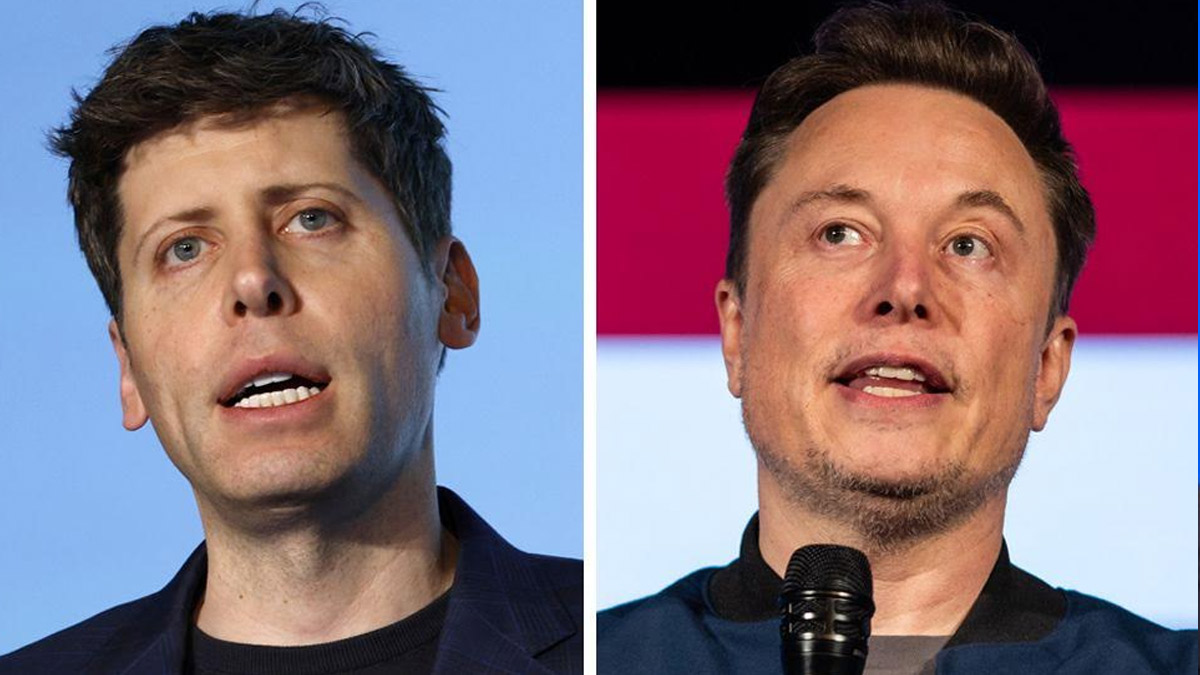
MUMBAI: When the stakes are measured in billions and egos are involved, even Silicon Valley titans can turn a courtroom into a battlefield. OpenAI has issued a sharp public response to Elon Musk’s ongoing lawsuit, accusing the billionaire of filing the case to harass a competitor rather than address genuine concerns. In a strongly worded statement shared on its official X account, OpenAI described Musk’s allegations as “baseless” and suggested the lawsuit is an attempt to disrupt the company as the case heads toward trial later this month in Oakland, California.
The response comes after Musk’s legal team recently amended the complaint, proposing that any damages potentially exceeding $150 billion should go to OpenAI’s nonprofit entity rather than to Musk personally. OpenAI questioned the timing and motive behind this change, calling it a late-stage attempt to “pretend to change his tune” on the nonprofit structure.
The company further labelled the lawsuit a “harassment campaign”, arguing that Musk’s actions are driven by personal rivalry, ego, and a desire for greater control and financial upside.
At the heart of the dispute is Musk’s claim that OpenAI has abandoned its original nonprofit mission of developing artificial intelligence for the benefit of humanity. A co-founder who left in 2018, Musk is seeking governance changes, including the removal of CEO Sam Altman from the nonprofit board, and the return of certain financial gains linked to Altman and President Greg Brockman.
OpenAI has firmly rejected these allegations, maintaining that its current hybrid structure, a public-benefit corporation overseen by a nonprofit parent remains true to its long-term goals. The company has also previously accused Musk of anti-competitive behaviour aimed at weakening its leadership.
As the case prepares for a jury trial, this public exchange highlights the deepening rift between two of the most influential figures in the AI revolution and raises broader questions about governance, mission, and power in the fast-moving world of artificial intelligence.
In the high-stakes game of AI, it seems the real drama isn’t just inside the models, it’s playing out in courtrooms too.






