iWorld
Why 2019 was the worst year for security breaches in this century

Did you know that 2019 was the worst year for data security? Cases of data breaches were escalating not only in the United States, but across the entire world. In fact by mid-2019 it was clear that it would be a bad year, with the number of data breaches up 54% year-on-year.
The losses companies face due to each data breach is substantial. According to this report by The Ponemon Institute, the average cost of a data breach stands at about $4 million – and in the case of small and medium businesses, it often puts them out of business.
But before you can protect yourself from security breaches, you need to understand why they happen in the first place.

Main Causes of Data Breaches
More often than not the data breaches in 2019 weren’t because of some highly-skilled hacker pulling off a stunning heist. Instead, while hackers may have been involved in some fashion – the root cause often lay elsewhere.
On the whole, the main causes of most of the data breaches in 2019 are:
• Malware that sneaks onto company computers and creates vulnerabilities that can be exploited.
• Human error that includes the use of weak passwords, sharing personal information, or falling for phishing scams – all of which can lead to company accounts being compromised.
• Unpatched security vulnerabilities that in some cases could have been fixed via an update.
• Insider threats by malicious actors working within the company to transmit data or compromise cybersecurity measures.
Based on these reasons you may have started to realize that many data breaches could have been avoided – and that much is definitely true. The only question is: How?
How to Avoid Data Breaches
After the damage caused by data breaches in 2019, it should come as no surprise that the focus has been on how to prevent a recurrence in the future. And while many cybersecurity measures can be implemented, the one that is definitely at the forefront is employee monitoring software.
Employee monitoring is a unique solution to help avoid data breaches on multiple fronts. By tracking the activity of employees it is possible to prevent cases of data breaches that are caused by human error and insider threats. On top of that it can also help to prevent malware to a certain degree.
Case in point: If WorkExaminer was installed and set up, it would be possible to track what employees are doing at any given point in time and what apps they’re using. That is key to stop insider threats, because it will help identify any suspicious activity. The monitoring doesn’t have to be in real time, and WorkExaminer can generate reports to make it more convenient.
Aside from monitoring activity, WorkExaminer can prevent threats in other ways. It can monitor the communication of suspicious employees via IM chats, email, and keystroke logs. It is also able to capture screenshots directly to show what is going on or act as evidence.
In the same way WorkExaminer can prevent insider threats, it can also reduce human error to some degree. When employees visit suspect websites or share personal information, the activity can be flagged for further action.
Similarly malware can be prevented as well by using WorkExaminer to monitor files that are downloaded onto employees’ computers and making sure they are scanned if anything suspicious shows up.
Final Words
Make no mistake, the risk of security breaches and data theft are not going anywhere – and if anything it will only increase over the next few years. Because of that you need to make sure that you’re doing everything possible on your end to minimize that risk.
As you can see, WorkExaminer is a good place to start. It has the features that you need to monitor your employees so that you’re aware of any threats before they end up causing a data breach. Keep in mind that you can also use employee monitoring to boost productivity and efficiency, which makes it doubly useful.
Long story short, if you haven’t already started to implement employee monitoring and improve your cybersecurity, you should definitely think about putting it on your agenda as soon as possible.





iWorld
OpenAI hits back at Elon Musk’s lawsuit ahead of trial
Company calls claims “baseless” and accuses Musk of trying to disrupt a rival.
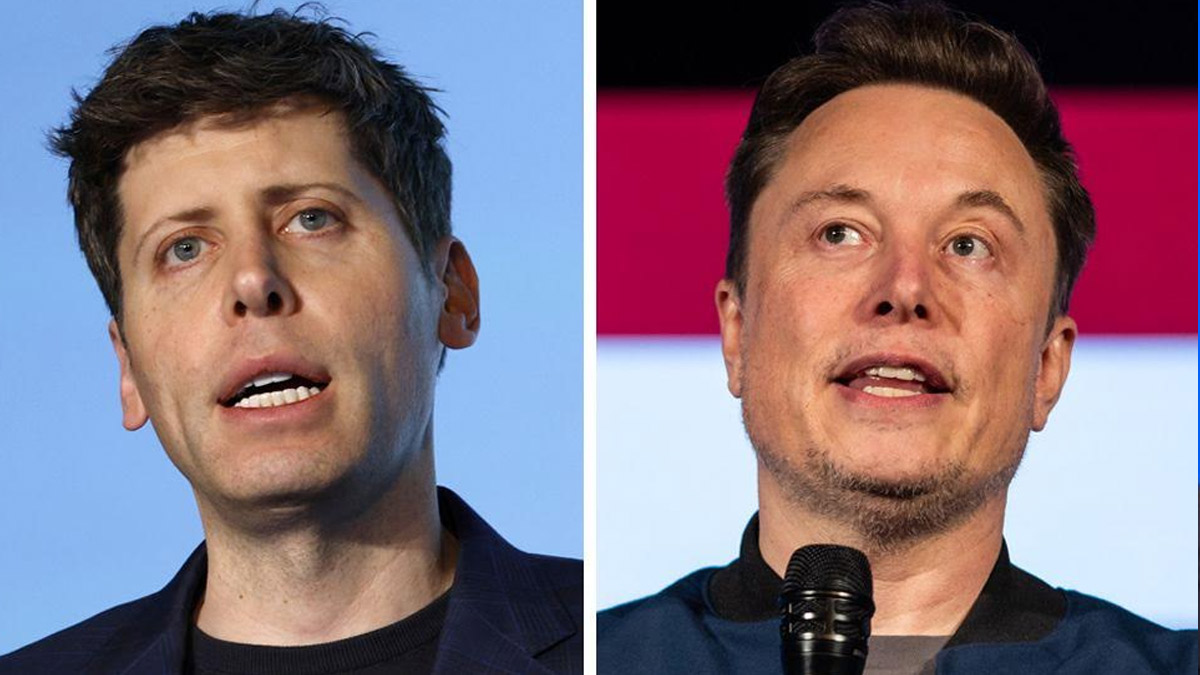
MUMBAI: When the stakes are measured in billions and egos are involved, even Silicon Valley titans can turn a courtroom into a battlefield. OpenAI has issued a sharp public response to Elon Musk’s ongoing lawsuit, accusing the billionaire of filing the case to harass a competitor rather than address genuine concerns. In a strongly worded statement shared on its official X account, OpenAI described Musk’s allegations as “baseless” and suggested the lawsuit is an attempt to disrupt the company as the case heads toward trial later this month in Oakland, California.
The response comes after Musk’s legal team recently amended the complaint, proposing that any damages potentially exceeding $150 billion should go to OpenAI’s nonprofit entity rather than to Musk personally. OpenAI questioned the timing and motive behind this change, calling it a late-stage attempt to “pretend to change his tune” on the nonprofit structure.
The company further labelled the lawsuit a “harassment campaign”, arguing that Musk’s actions are driven by personal rivalry, ego, and a desire for greater control and financial upside.
At the heart of the dispute is Musk’s claim that OpenAI has abandoned its original nonprofit mission of developing artificial intelligence for the benefit of humanity. A co-founder who left in 2018, Musk is seeking governance changes, including the removal of CEO Sam Altman from the nonprofit board, and the return of certain financial gains linked to Altman and President Greg Brockman.
OpenAI has firmly rejected these allegations, maintaining that its current hybrid structure, a public-benefit corporation overseen by a nonprofit parent remains true to its long-term goals. The company has also previously accused Musk of anti-competitive behaviour aimed at weakening its leadership.
As the case prepares for a jury trial, this public exchange highlights the deepening rift between two of the most influential figures in the AI revolution and raises broader questions about governance, mission, and power in the fast-moving world of artificial intelligence.
In the high-stakes game of AI, it seems the real drama isn’t just inside the models, it’s playing out in courtrooms too.






