Broadband
What is hindering the fixed broadband growth in India?


KOLKATA: The last few years have seen a major explosion in internet usage, especially post Covid2019 crisis with the boom of digital payments, e-commerce, online video consumption, e-learning. Despite the huge scope, fixed broadband sector has seen a tepid growth in India, unlike mobile broadband. Issues like poor optical fibre infrastructure, high capex cost for ground networks, hardship in obtaining Right to Way (RoW) permission are deterring the expansion of the sector, as major players have commented in response to the Telecom Regulatory Authority of India’s (TRAI) consultation paper.
GTPL Hathway pointed out three main reasons for the poor subscription of fixed broadband service – lack of availability, affordability, accessibility. The MSO has pointed out that more and more optical fibre infrastructure in the access network needs to be rolled out across the country. Along with the high capex cost involved in rolling out of last-mile access network, obtaining NoC and RoW permissions at several levels of authority for laying cable also prevents the development, as per the MSO.
“Fixed-line services are capex intensive as the provider needs to invest a lot of funds in providing the services in the ground networking and also at the subscriber end so availability is very limited so is the subscription,” Siti Networks said.

However, one of the largest Internet Service Providers in India, Atria Convergence Technologies (ACT) has denied that the subscription rate of fixed broadband is low. But the reach of the optical fibre cable network needs to be greatly improved upon, ACT said.
The telecom service provider Bharti Airtel echoed the same sentiment. Lack of single window clearance and the complicated and time-consuming process for obtaining RoW permissions coupled with exorbitant fees result in unviable commercial fibre deployments, it said.
“Another hindrance to creating a viable fixed-line network is the cost TSPs incur in installing and maintaining the infrastructure of a fixed network. Also, the additional burden of license fees of 8 per cent on AGR further reduces the commercial viability of such networks,” Airtel added. Moreover, several government and private projects for road widening, laying of electrical cables, maintenance of water and sewer pipelines result in damage to the laid fibre, it mentioned.
GTPL Hathway mentioned that less than 15 per cent of wireline broadband connections are working on FTTH technology. Commenting about the slower growth of fibre-to-the-home (FTTH) in the country, Siti Networks said the absence of local supply chain is a major issue. The ISP added that the government should take the initiative in developing a robust supply chain in the country in order to facilitate local production to ensure sufficient inventory.
“The wired broadband penetration is capital intensive and it’s difficult to lure financial investors to this industry due to slow reachability, fees, and taxes applicable on the sector,” ACT added. The ISP also noted that ease in the policy framework for promoting FTTH connectivity will result in-service providers providing an affordable and better quality of services which in turn, will enable the public at large to subscribe to these services.
While the local cable operators in the country could play significant role in fixed broadband growth, there are several factors like non-lucrative business model, the burden of AGR issues, high cost for obtaining ISP license, requirement of high capex for upgrading to new technology that is holding them back from providing broadband services.





Broadband
ACT Fibernet elevates Aditya Singh to chief customer experience officer
Former senior vp to drive service, retention and delivery revamp
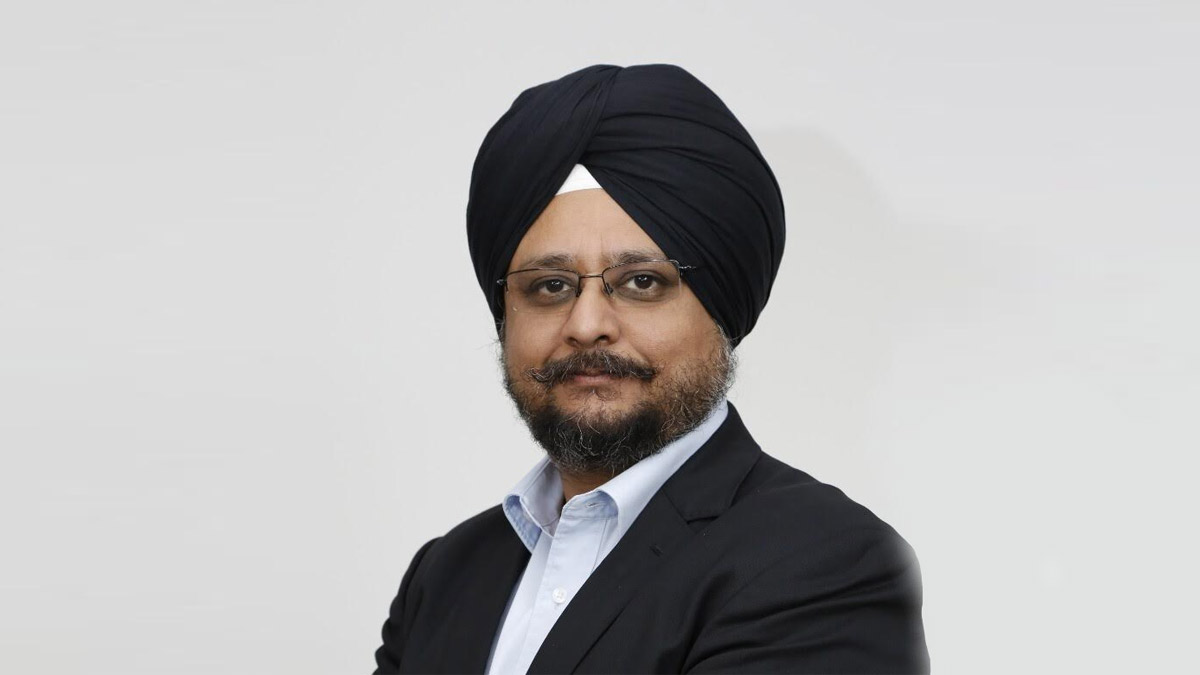
BENGALURU: ACT Fibernet has elevated Aditya Singh to chief customer experience officer, effective 1 January, 2026, as the broadband provider seeks to tighten its grip on service quality in an increasingly competitive market.
Singh, who previously served as senior vice-president – customer experience and loyalty at group level, will now join the executive committee and lead the company’s end-to-end customer transformation agenda.
The move gives him oversight of customer service, customer retention and service delivery, alongside a broader mandate to strengthen network resilience and field operations. The company said the reshuffle underlines its intent to deliver a “consistent, seamless and superior” experience to its 2.3m subscribers across more than 30 cities.
Headquartered in Bengaluru, ACT Fibernet, the consumer-facing brand of Atria Convergence Technologies Limited, is one of India’s largest wired internet service providers. It has built its pitch on high-speed connectivity and responsive customer support, at a time when fibre roll-outs and price wars are redrawing the broadband map.
In a statement, Singh said he was “deeply honoured” to take on the expanded brief and join the executive committee as the company sharpens its focus on simplifying customer touchpoints and turning subscribers into brand advocates.
The elevation signals a clear priority: in a crowded fibre market, customer experience is fast becoming the decisive battleground.