Cable TV
West Bengal cable TV operators raise tariffs by 5-10 per cent: PTI report

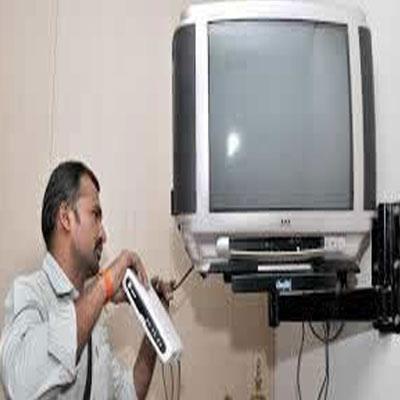
MUMBAI: Cable TV operators have increased customer tariffs by five to 10 per cent, according to a report by the Press Trust of India (PTI) referring to the state of west Bengal.
Quoting various cable TV network owners in Kolkata, the report revealed that the price hike was enforced on the fraternity, courtesy the rise in content costs demanded by broadcasters in August. The PTI report further stated that the cable TV ecosystem was trying to find a balance between rising costs and not put the entire burden on the end customer at home.
Meghbela Broadband co-founder Tapabrata Mukherjee was quoted as saying that his network has not yet raised customer prices as it has been absorbing costs for the past two months.

“We can no longer sustain it,” he told PTI. “On an average, we will raise tariffs by five to six per cent, though other broadcasters have hiked rates by more than 10 per cent, and in some cases, by as much as 20 per cent.”
India Cablenet Co director Suresh Sethia informed PTI that SitiCable’s minimal tariff hike is a strategy to compete with mobile users who prefer short-form content on platforms like YouTube and Facebook. The network has also launched Tubers TV, allowing users to submit short-form content up to eight minutes long, which has gained popularity.
“Our price hike ranges between 5-10 per cent across different packages,” Sethia explained. “Overall, cable connections in Bengal have decreased to around 68 lakh from one crore four years ago.”
That’s a challenge, that pay TV distribution faces nationally.







MUMBAI: When margins wobble, liquidity talks and in Q3 FY25-26, cash did most of the talking. Den Networks Limited closed the December quarter with consolidated revenue of Rs.251 crore, marginally higher than the previous quarter but down 4 per cent year-on-year, even as profitability stayed resilient on the back of strong cash reserves and disciplined cost control.
Subscription income softened to Rs.98 crore, slipping 3 per cent sequentially and 14 per cent from last year, while placement and marketing income offered some cheer, rising 15 per cent quarter-on-quarter to Rs.148 crore. Total costs climbed faster than revenue, up 7 per cent QoQ to Rs.238 crore, driven largely by higher content costs and operating expenses. As a result, EBITDA dropped sharply to Rs.13 crore from Rs.19 crore in Q2 and Rs.28 crore a year ago, pulling margins down to 5 per cent.
Yet, the bottom line refused to blink. Profit after tax stood at Rs.40 crore, up 15 per cent sequentially and only marginally lower than last year’s Rs.42 crore. A healthy Rs.57 crore in other income helped cushion operating pressure, keeping profit before tax at Rs.48 crore, broadly stable quarter-on-quarter despite the tougher cost environment.
The real headline-grabber, however, sits on the balance sheet. The company remains debt-free, with cash and cash equivalents swelling to Rs.3,279 crore as of December 31, 2025. Net worth rose to Rs.3,748 crore, while online collections accounted for 97 per cent of total receipts, underscoring strong cash discipline across operations, including subsidiaries.
In short, while Q3 showed signs of operating strain, the financial backbone remains solid. With zero gross debt, steady profits and a formidable cash war chest, the company enters the next quarter with flexibility firmly on its side proving that in uncertain markets, balance sheet strength can be the best growth strategy.