Gaming
Welt Esports win debut 4TR Winter Premier League

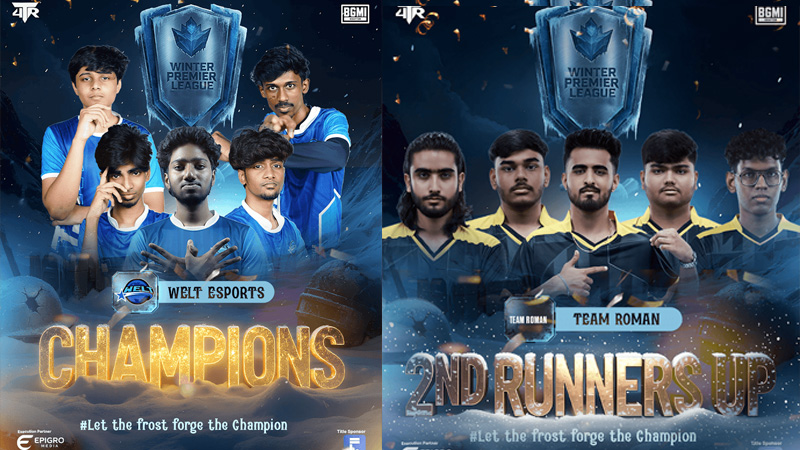
NEW DELHI: Winter warmed up quickly for India’s esports faithful as 4TR Esports wrapped up its first Winter Premier League 2025, a high-octane BGMI tournament that mixed fierce competition with big ambition. After weeks of action, Welt Esports emerged champions, with Genesis Esports and Team Roman securing first and second runner-up spots.
The tournament marked a landmark moment for 4TR Esports, doubling as its first full-scale event series streamed on YouTube. With a prize pool of Rs 4 lakh and bragging rights firmly on the line, the league drew attention well beyond the core gaming crowd.
The road to the finals was anything but short. Starting December 1, the Winter Premier League featured group stages, quarter-finals, semi-finals and a gripping grand finale across the fan-favourite maps of Rondo, Erangel and Miramar. While 64 teams battled it out in the main event, a staggering 1,024 teams took part in the qualification rounds, underlining the scale of interest.

Big names added extra sparkle to the competition. Teams such as iQOO SOUL, iQOO RNTX, HeroXtreme Godlike, iQOO 8BIT and OnePlus Gods Reign all joined the fray, turning the league into a who’s who of Indian BGMI talent.
Reflecting on the milestone, 4TR Esports director and CEO Sidharth Agarwal, said the organisation is playing a long game. He emphasised a focus on discipline, growth and real opportunities for players and creators, calling the Winter Premier League an important first step in building what he sees as a lasting 4TR era.
4TR Esports also put its own squad to the test, reaching the semi-finals while competing against the country’s best. Looking ahead, the organisation plans to contest all official BGMI tournaments in India, with an eye on representing the nation on the global stage.
Beyond trophies and titles, 4TR has its sights set on growing the wider ecosystem. Plans are underway to host two to three tournaments for underdogs and girls, create pathways for young talent from tier-2 and tier-3 cities, and offer aspiring players the chance to compete alongside established professionals.
In its very first winter outing, 4TR Esports has shown it means business. If this debut is anything to go by, the coming seasons could be even hotter.





Gaming
Konami concludes successful eFootball India campaign
Campaign featuring Rinku Singh, Varun Chakravarthy and other stars boosts engagement ahead of FIFA World Cup 2026.
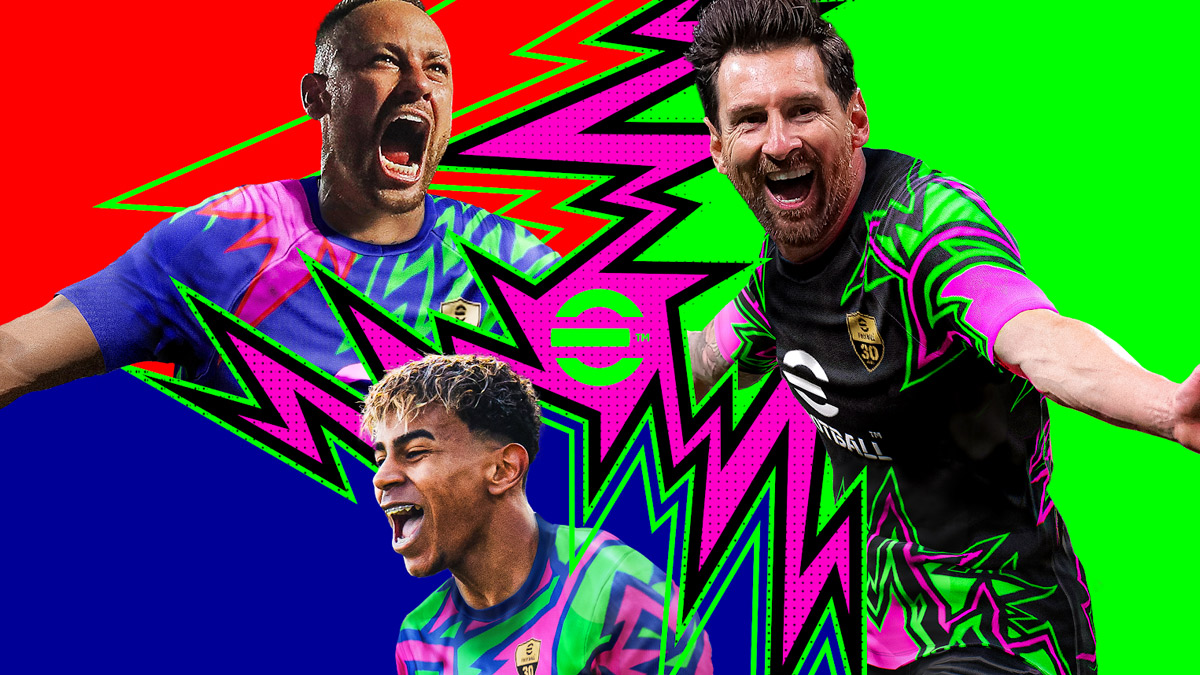
MUMBAI: When cricket meets football in the virtual world, even the biggest fans can’t help but score and Konami’s latest eFootball campaign in India has clearly hit the back of the net. Konami Digital Entertainment has successfully wrapped up its India campaign for eFootball, which brought together cricketers Rinku Singh and Varun Chakravarthy, actors Naslen Gafoor and Chandu Salim Kumar, and footballers Sahal Abdul Samad and Shubhasish Bose. The multi-star campaign generated strong excitement across gaming, football, and creator communities through social content, fan participation, and in-game engagement.
Building on the initial launch that featured a limited-time Lionel Messi card, the campaign united fan communities, lifestyle creators, football creators, and competitive eFootball influencers. It significantly expanded the game’s visibility and deepened engagement with fans across the country.
The campaign also saw thousands of entries submitted as part of its social media engagement challenge, reflecting high levels of community enthusiasm and active creator involvement.
Looking ahead, Konami plans to build on this momentum with more eFootball experiences for Indian fans as the FIFA World Cup 2026 approaches. With global attention on the tournament set to rise, India will remain a key market for deepening community engagement and bringing fans closer to the action.
In a country that lives and breathes sport, Konami has shown that mixing real-world stars with virtual thrills is a winning formula leaving fans eagerly waiting for the next goal.






