Broadband
WEF, Reliance join hands for digital excellence centre


Mumbai: In what could give a major fillip to PM Modi’s Digital India dream, which also envisages making available broadband and related services to over 60,000 village administrations, the World Economic Forum has announced a new digital technology centre in Mumbai that would be executed by the Indian government and Reliance Industries Ltd (Reliance) jointly.
Dubbed the Center for Fourth Industrial Revolution (C4IR), it “will operate as the sister centre to the World Economic Forum Center for the Fourth Industrial Revolution in San Francisco, allowing policymakers and thought leaders in India to stay ahead of the curve through unique insights in new forms of governance and new technology applications, and connections with cutting-edge technology innovators globally,” Reliance said in a statement.
The WEF identified India as a partner since it is a key economic, political and social shaper of the 21st century’s global, regional and industry systems.

The WEF initiative is also a recognition of Modi’s Digital India vision and Startup India programme to encourage young entrepreneurs. It is the first centre opened outside of Silicon Valley in the US.
“The capability for India to maximise the potential and minimise the risks of the Fourth Industrial revolution, both domestically for its economy and society, and globally as a major economic and social innovator — and cultural influencer– will be one of the foremost drivers for prosperity and peace over the coming decades,” the WEF said.
The new economy will greatly benefit from the Fourth Industrial Revolution in a digital age and is expected to create significant value to countries that embrace them quickly by accelerating their GDP and job growth. These opportunities include artificial intelligence and machine learning, internet of things (IoT) and blockchain, among many others, according to the WEF.
The WEF, which has been championing the Fourth Industrial Revolution, established C4IR in the Silicon Valley at San Francisco as Silicon Valley was already home to several of these exciting developments.






Broadband
ACT Fibernet elevates Aditya Singh to chief customer experience officer
Former senior vp to drive service, retention and delivery revamp
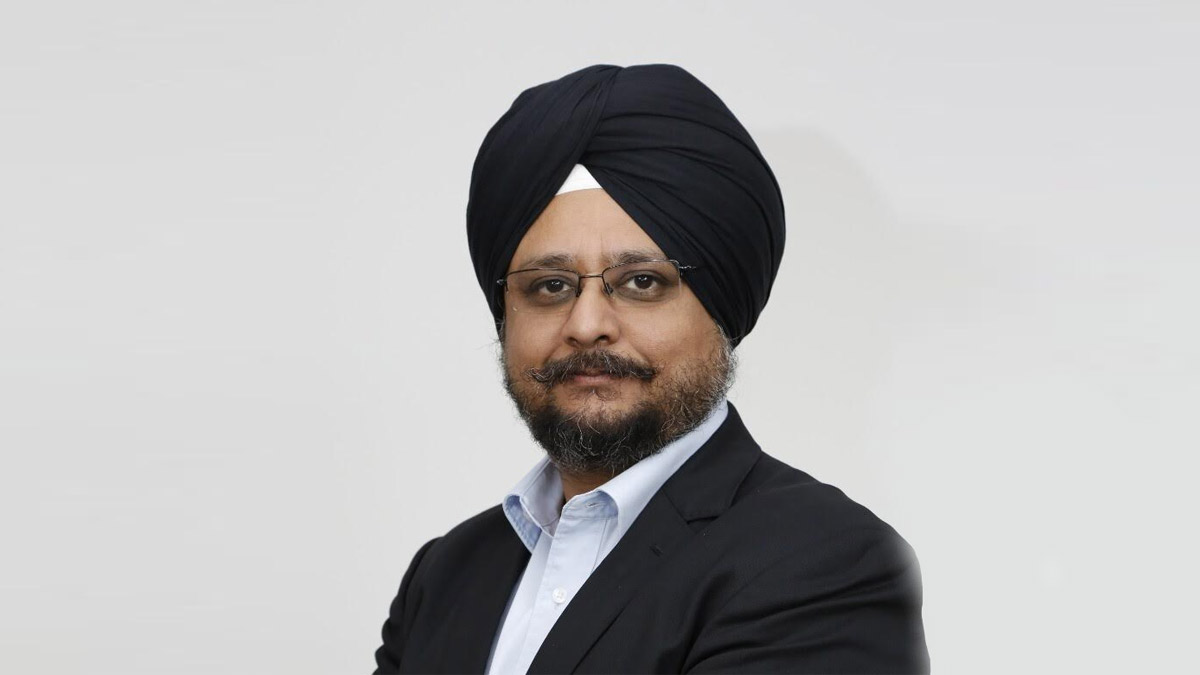
BENGALURU: ACT Fibernet has elevated Aditya Singh to chief customer experience officer, effective 1 January, 2026, as the broadband provider seeks to tighten its grip on service quality in an increasingly competitive market.
Singh, who previously served as senior vice-president – customer experience and loyalty at group level, will now join the executive committee and lead the company’s end-to-end customer transformation agenda.
The move gives him oversight of customer service, customer retention and service delivery, alongside a broader mandate to strengthen network resilience and field operations. The company said the reshuffle underlines its intent to deliver a “consistent, seamless and superior” experience to its 2.3m subscribers across more than 30 cities.
Headquartered in Bengaluru, ACT Fibernet, the consumer-facing brand of Atria Convergence Technologies Limited, is one of India’s largest wired internet service providers. It has built its pitch on high-speed connectivity and responsive customer support, at a time when fibre roll-outs and price wars are redrawing the broadband map.
In a statement, Singh said he was “deeply honoured” to take on the expanded brief and join the executive committee as the company sharpens its focus on simplifying customer touchpoints and turning subscribers into brand advocates.
The elevation signals a clear priority: in a crowded fibre market, customer experience is fast becoming the decisive battleground.






